THE WORLD IS NOT STANDING STILL.RSS
BIG CHANGE.
BIG CHANGE, one tap away

Make room for the big picture.

Add BIG CHANGE to your home screen or desktop. It opens in its own window, with the latest stories when you’re online.

iPhone & iPad
Open bigchange.ai in Safari. Tap Share, then Add to Home Screen. Turn on Open as Web App if shown, then tap Add.
Android
Open bigchange.ai in Chrome. In the browser menu, choose Install app or Add to Home screen.
Desktop
In Chrome or Edge, use the install icon in the address bar or the browser’s app menu. In Safari on Mac, choose File → Add to Dock.
All briefings

Follow the change ·

The day,
in perspective.

What happened in AI and robotics — and the change behind it. A reading path through 17 stories from BIG CHANGE.

Ordered using RADAR attention, story opens and likes. Excerpts from our published reporting; open a story for the full context and sources. Dates in UTC.

Original story: analysis

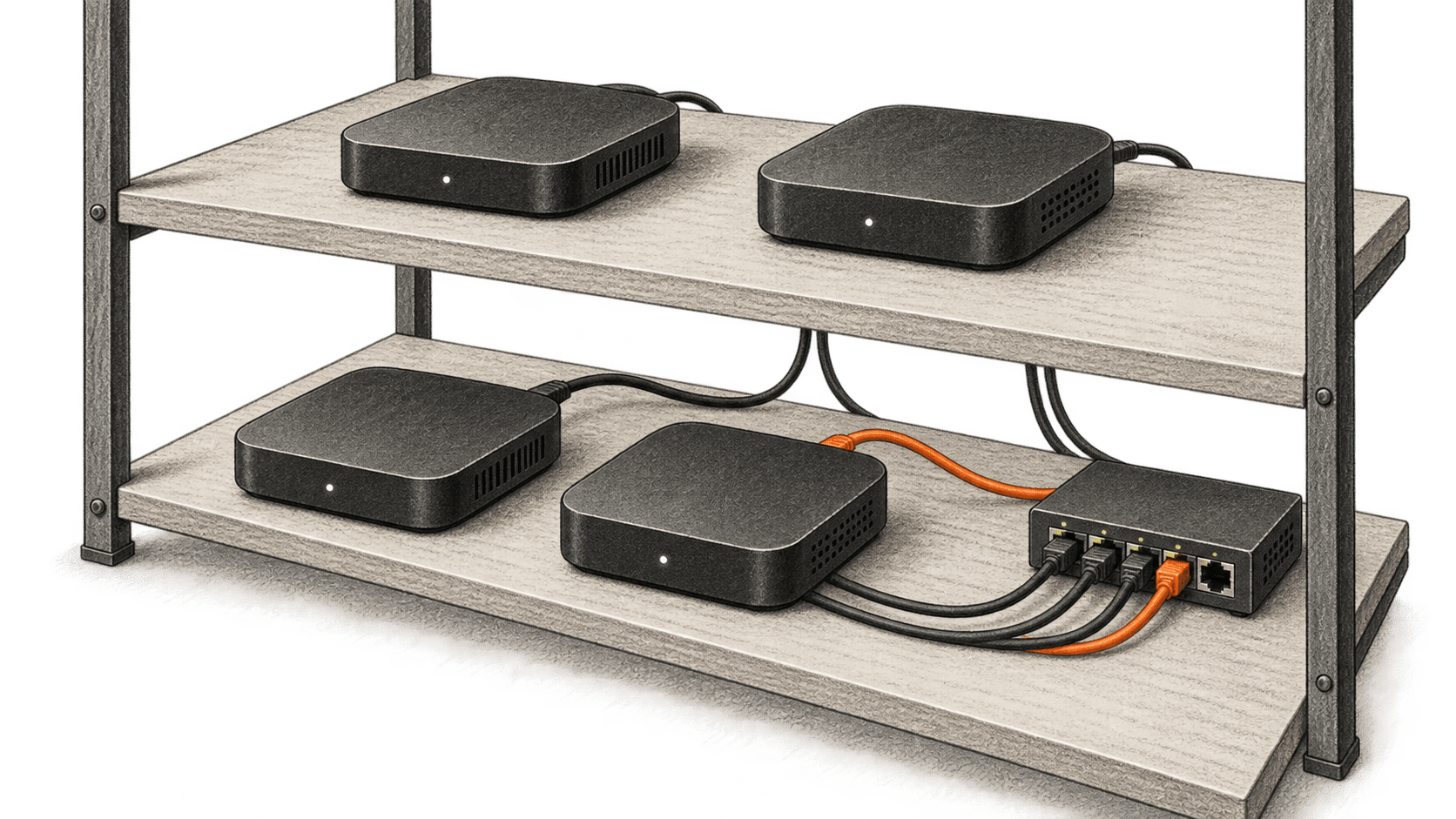
What Anthropic's IoT replication tests actually showed

Anthropic ran a model across 15 TV boxes and tested replication in a simplified emulator. The two results do not establish a rogue AI worm in the wild.

The big change

What changed: Anthropic demonstrated distributed model inference on purchased TV boxes and measured agent performance on a contained replication task. It also estimated when small models might gain enough capability to combine those abilities.

Who it affects: Owners and defenders of connected devices that may provide useful compute or network access to an attacker.

What remains uncertain: The contained task simplified access to each target, used external inference for the larger agent and supplied researcher scaffolding. Anthropic did not demonstrate a full rogue replicator spreading through real devices.
Read the full story
—
Back to the briefing
Original story: guide

Inspect an Electron app's behavior with REA

REA maps modules and Electron boundaries in a local app. This guide shows how to trace one feature through its evidence and check the behavior separately.

The big change

What changed: REA gives a coding agent a structured map of modules, imports, source maps, routes and Electron IPC from a supplied app directory or ASAR. Each finding can point back to the files that produced it.

Why it matters: A developer investigating one feature can follow a named API or IPC channel through the packaged app before deciding what to inspect manually. That makes the question narrower and the evidence easier to check.

What to watch: Static code paths are candidates, not proof that the app takes them during use. A claim about a specific behavior still needs an independent observation or test on the authorized target.

Read the full story
—
Back to the briefing
Original story: news

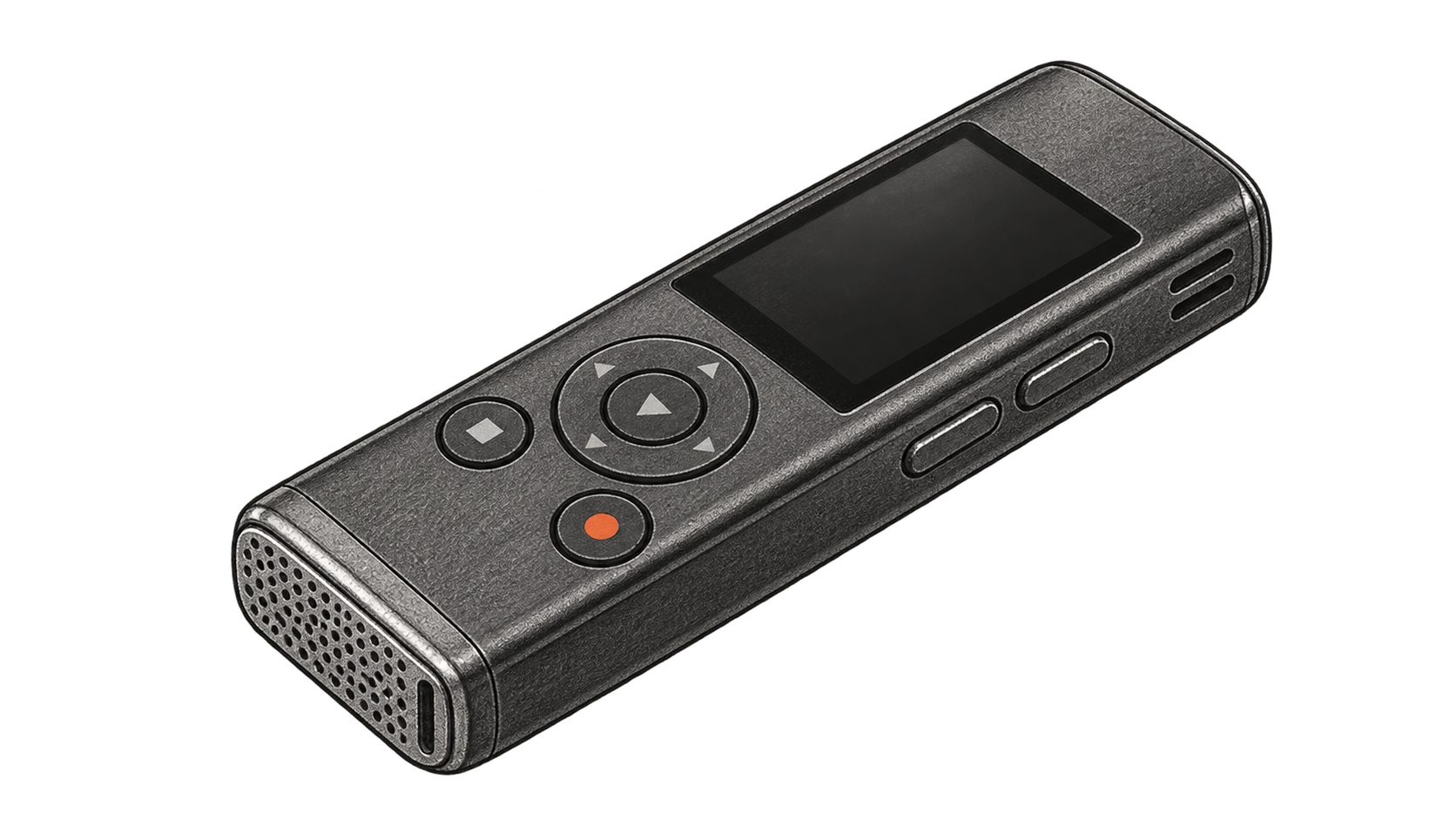
OpenAI says its models helped identify employee in recorder case

DOJ charged an OpenAI engineer after a recorder was found in a conference room. OpenAI says its models helped identify an employee, but has not explained how.

The big change

What changed: OpenAI says it used its own models in an internal investigation involving a physical recording device and an employee. This is a company account of one case, with no disclosed method or independent assessment of the models' role.

Why it matters: Security teams need to connect physical evidence, access records and people. Here, the public account puts AI among the tools used to make that connection, while the criminal charge rests on an investigation that must still be tested in court.

What to watch: The criminal case may clarify what the evidence shows about the device and any intercepted conversations. OpenAI has not explained the model workflow, so its usefulness in this investigation cannot yet be evaluated from the public record.

Read the full story
—
Back to the briefing
Original story: guide

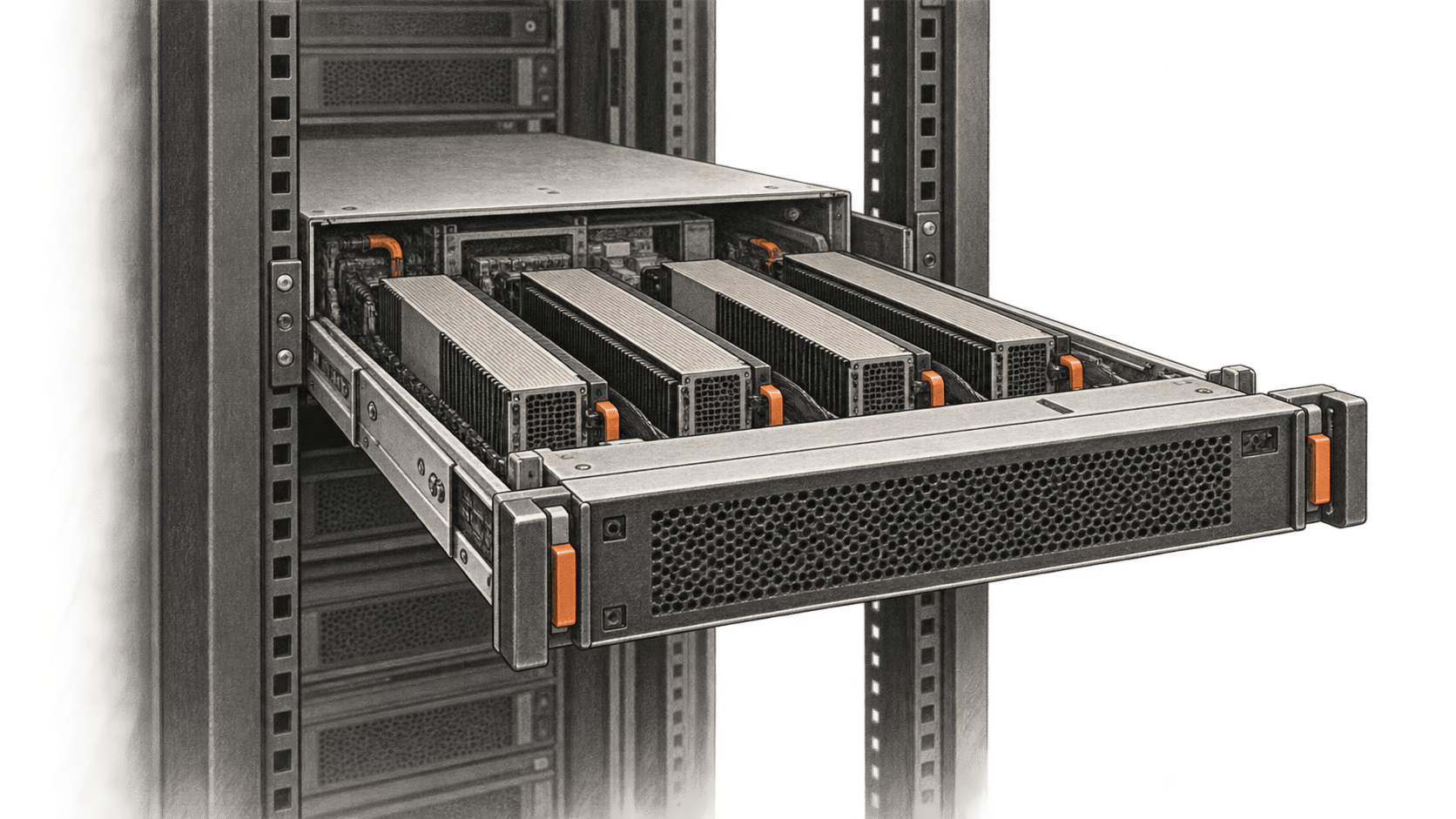
How to check a Spark UDF rewrite for GPU execution

A practical sequence for testing one Spark UDF, choosing SQL, cuDF or CUDA, checking for CPU fallback, and measuring the result on a GPU-capable pipeline.

The big change

What changed: NVIDIA has published a staged agent workflow for generating UDF tests, converting a function, judging the conversion, benchmarking CPU and GPU versions, and optionally optimizing a cuDF implementation.

Who it helps: Engineers with a GPU-capable RAPIDS/cuDF Spark pipeline and a specific CPU UDF that interrupts it.

What to verify: Matching outputs on representative edge cases, an execution plan without the targeted CPU fallback, and repeatable job-level performance on the intended hardware.

Read the full story
—
Back to the briefing
Original story: guide

How to connect a shopping agent to Shopify’s Shop MCP

Shopify's new Shop MCP connects catalog search, merchant carts and checkout. This documentation-based guide shows the setup, shopper approval step and order verification boundary.

The big change

What changed: Shopify now offers a hosted MCP connection that runs from catalog search through a merchant cart and checkout. It also documents Shop Pay completion for a signed-in shopper after explicit confirmation.

Who can use it: Developers with an MCP client that supports protocol version 2026-07-28, or code that makes the documented HTTP calls. An older client that only uses the initialize handshake cannot connect directly.

What to check: A checkout is a single merchant’s transaction. completed together with an order confirms the purchase; a cart, a checkout link or an in-progress payment does not.

Read the full story
—
Back to the briefing
Original story: news

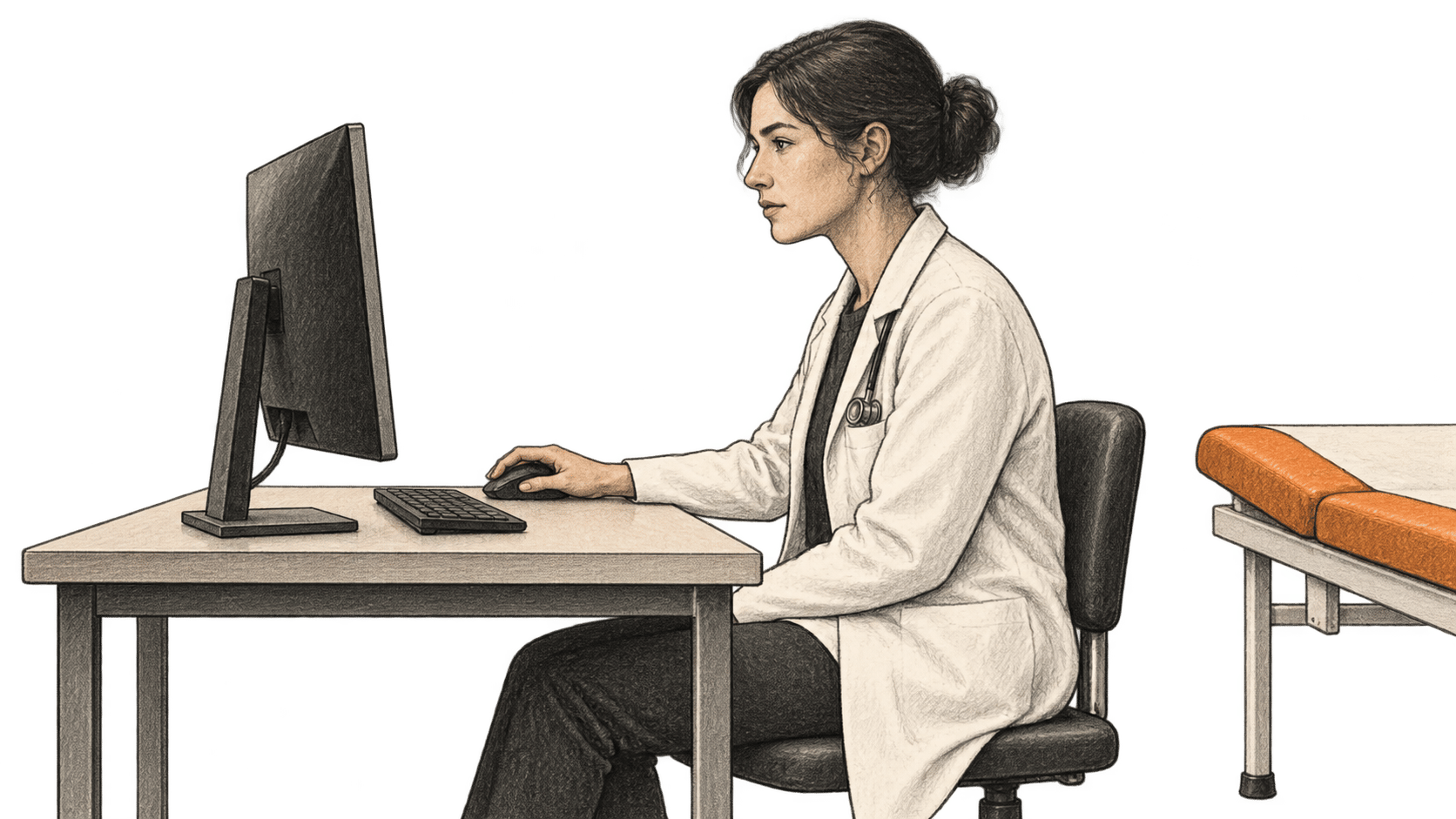
Doctolib plans NVIDIA investment to expand healthcare AI

Doctolib says a planned NVIDIA minority investment will support its AI work. Its existing consultation tools, patient-assistant rollout and clinical plans have different evidence and release stages.

The big change

What changed: Doctolib plans to deepen an existing NVIDIA technology relationship as it develops medical AI models and assistants. It intends to use the investment to expand its own development teams and training work in Europe.

Why it matters: Its existing consultation tool puts generated text into a clinician's review workflow. Moving into clinical decision support and patient health questions expands the responsibility of the proposed tools, and makes their evaluation a separate question from how much they are used.

What to watch: Doctolib describes limited use of its patient assistant and broader availability in 2027. Release details and evidence for its clinical capabilities will determine what patients and professionals can use beyond the current documentation tools.

Read the full story
—
Back to the briefing
Original story: analysis

Liquid AI's LFM2.5 24B model gives local agent builders more serving choices

Liquid AI's new LFM2.5-24B-A2B has downloadable checkpoints for local and GPU serving. Its license and separate edge and server benchmarks matter when evaluating it for tool-using agents.

The big change

What changed: Liquid AI has put the post-trained model and its base version on Hugging Face, with serving formats for different hardware. The model card specifies 24.0 billion parameters in total and 2.45 billion active during inference; the name's “A2B” is a rounded label.

Why it matters: A team evaluating a local agent can choose a checkpoint and serving path before connecting a tool-using harness, rather than treating a model download as a complete agent. The license and available hardware still shape that decision.

What to watch: Liquid AI reports promising speed and tool-use results under specified tests. Teams need to measure their own tasks and concurrency; the company's edge decode rate and server throughput describe different workloads.

Read the full story
—
Back to the briefing
Original story: analysis

EDPB urges clearer privacy signals on smart glasses

The EDPB's October 13 statement gives preliminary smart-glasses guidance on recording signals and the responsibilities of wearers and AI service providers.

The big change

What changed: Europe's data protection board has set out how existing privacy responsibilities apply to glasses that bring cameras, microphones and AI services into shared spaces. The guidance addresses both the person wearing them and the companies processing data.

Why it matters: A bystander cannot exercise privacy rights without knowing that their data is being captured and who is using it. Giving the wearer information in an app leaves that other person uninformed.

What to watch: The board recommends industry standards for recognizable, reliable signals. Their design needs to cover AI capture as well as ordinary recording, and work for people who have no companion app.

Read the full story
—
Back to the briefing