THE WORLD IS NOT STANDING STILL.RSS
BIG CHANGE.
BIG CHANGE, one tap away

Make room for the big picture.

Add BIG CHANGE to your home screen or desktop. It opens in its own window, with the latest stories when you’re online.

iPhone & iPad
Open bigchange.ai in Safari. Tap Share, then Add to Home Screen. Turn on Open as Web App if shown, then tap Add.
Android
Open bigchange.ai in Chrome. In the browser menu, choose Install app or Add to Home screen.
Desktop
In Chrome or Edge, use the install icon in the address bar or the browser’s app menu. In Safari on Mac, choose File → Add to Dock.
All briefings

Follow the change ·

The day,
in perspective.

What happened in AI and robotics — and the change behind it. A reading path through 21 stories from BIG CHANGE.

Ordered using RADAR attention, story opens and likes. Excerpts from our published reporting; open a story for the full context and sources. Dates in UTC.

Follow-up story: news

States seek data and safety safeguards in any Character.AI sale

State attorneys general want data access, deletion and safety protections in any Character.AI sale. Their October 14 bankruptcy notice is a request, not an order.

The big change

What changed: State officials put their proposed privacy and safety conditions before the court in Character Technologies' Chapter 11 case on October 14. They ask for consumer protections in any sale and reserve the right to challenge proposed terms.

Why it matters: A buyer's treatment of chat content and other personal data could be part of sale negotiations. The states want users to retain access and a chance to delete data before any sale of that data, alongside limits on new uses without valid consent.

What to watch: The actual sale proposal, bidding procedures and any court ruling will show whether these requests become enforceable terms. The notice itself does not grant a new deletion window or determine that user data will be transferred.

Read the full story
—
Back to the briefing
Original story: guide

How to use Myna local dictation on Ubuntu

Canonical's Myna preview can dictate into a focused app on supported Ubuntu GNOME Wayland desktops. Follow the documented PPA setup and check its limits.

The big change

Canonical has moved Myna from a project announcement to an installable, optional desktop dictation preview. On the supported Ubuntu GNOME Wayland systems, its documented flow sends microphone speech to local recognition and places the resulting text in the focused application. That gives users a direct way to try offline transcription after setup, while leaving accuracy, app compatibility and machine-specific performance to be assessed on their own systems. Ubuntu 26.10 arrived on October 15; Myna's technology preview was announced on October 12 and remains a preview across the listed releases.

Read the full story
—
Back to the briefing
Original story: news

ChatGPT ads can use customer lists and conversation context

404 Media tested ads in ChatGPT. OpenAI's documentation explains how customer lists and conversation context can influence delivery, while internal hashing of raw identifiers remains unclear.

The big change

What changed: 404 Media tested ChatGPT advertising and documented an advertiser experience that includes conversation hints and customer-list targeting. OpenAI's published instructions describe the controls available to advertisers.

Why it matters: An ad below a ChatGPT reply can be influenced by the current discussion and, where the audience feature is available, by an advertiser's existing list of people. A user cannot infer the precise reason for a single placement from its appearance alone.

What remains open: OpenAI accepts both raw and SHA-256-hashed email addresses and phone numbers. Its public instructions do not say whether raw identifiers are hashed internally before matching, and 404 Media reported that the company did not answer that question.

Read the full story
—
Back to the briefing
Original story: analysis

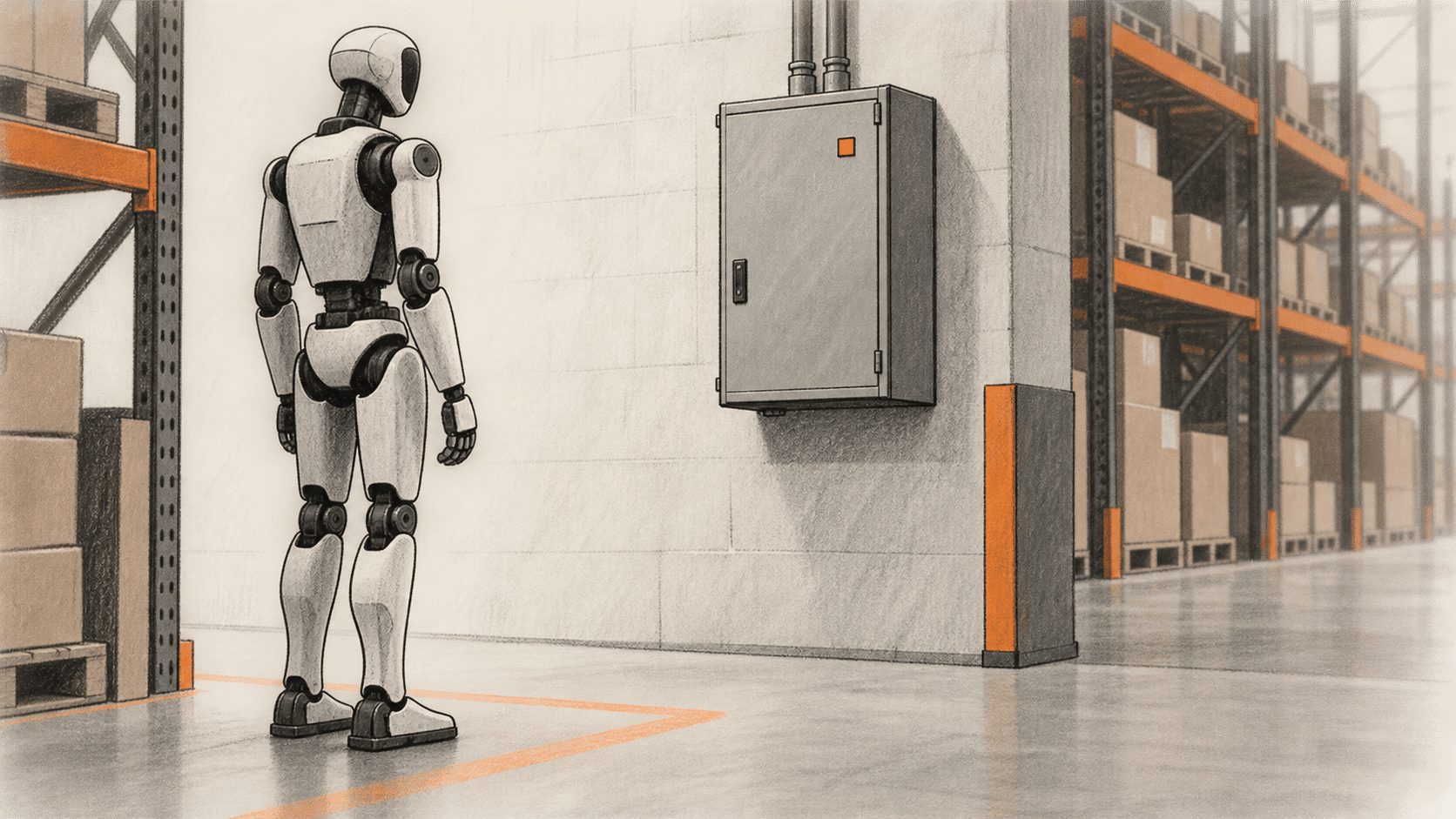
Agility names Nyobolt as Digit 5 battery partner

Agility named Nyobolt for Digit 5's planned fast-charge battery system. Its run, charge and 20-hour daily-work figures are preliminary company claims, with early access expected in 2027.

The big change

What changed: Agility has identified Nyobolt as the supplier for Digit 5's fast-charging battery system. The 90-minute runtime and nine-minute recharge were announced with Digit 5 in September; the supplier was named on October 15.

Why it matters: For warehouse and manufacturing operators, a shorter charging stop could leave more of a scheduled day available for robot tasks. The stated run-to-charge ratio is five times Digit 4's stated ratio. The release gives no measured Digit 5 shift output.

What to watch: Agility expects early access to Nyobolt-equipped Digit 5 in the first half of 2027. Operating records from customer sites will be needed to establish charging performance and work completed over full shifts.

Read the full story
—
Back to the briefing
Original story: news

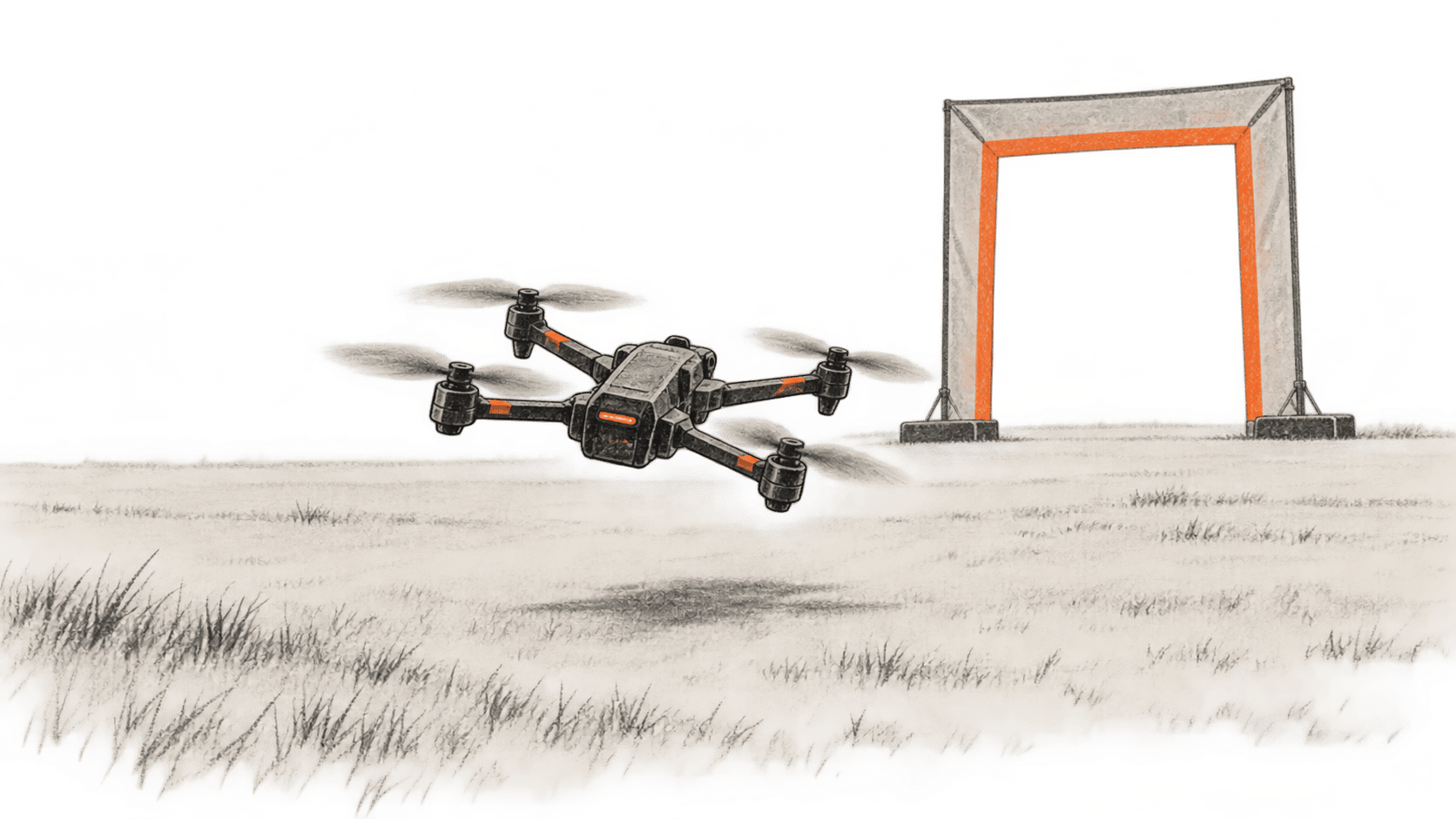
TU Delft's MonoRace paper explains its one-camera drone racing system

A new Science Robotics paper details the camera, IMU and onboard control behind a 2025 drone racing win. The result is bounded to a known competition course.

The big change

What changed: The October 2026 paper explains how the team retuned MonoRace's camera alignment after impacts or repairs using onboard flight images and known gate shapes, without external motion tracking.

Why it matters: Drone-racing teams evaluating multiple aircraft need to assess collision avoidance separately. MonoRace placed third in the multi-drone event because it lacked that capability, despite its solo and human-race wins.

What to watch: The marked-course results do not establish reliability away from a track, general-purpose navigation, deployment safety, commercial availability or transfer to other robots.

Read the full story
—
Back to the briefing
Original story: analysis

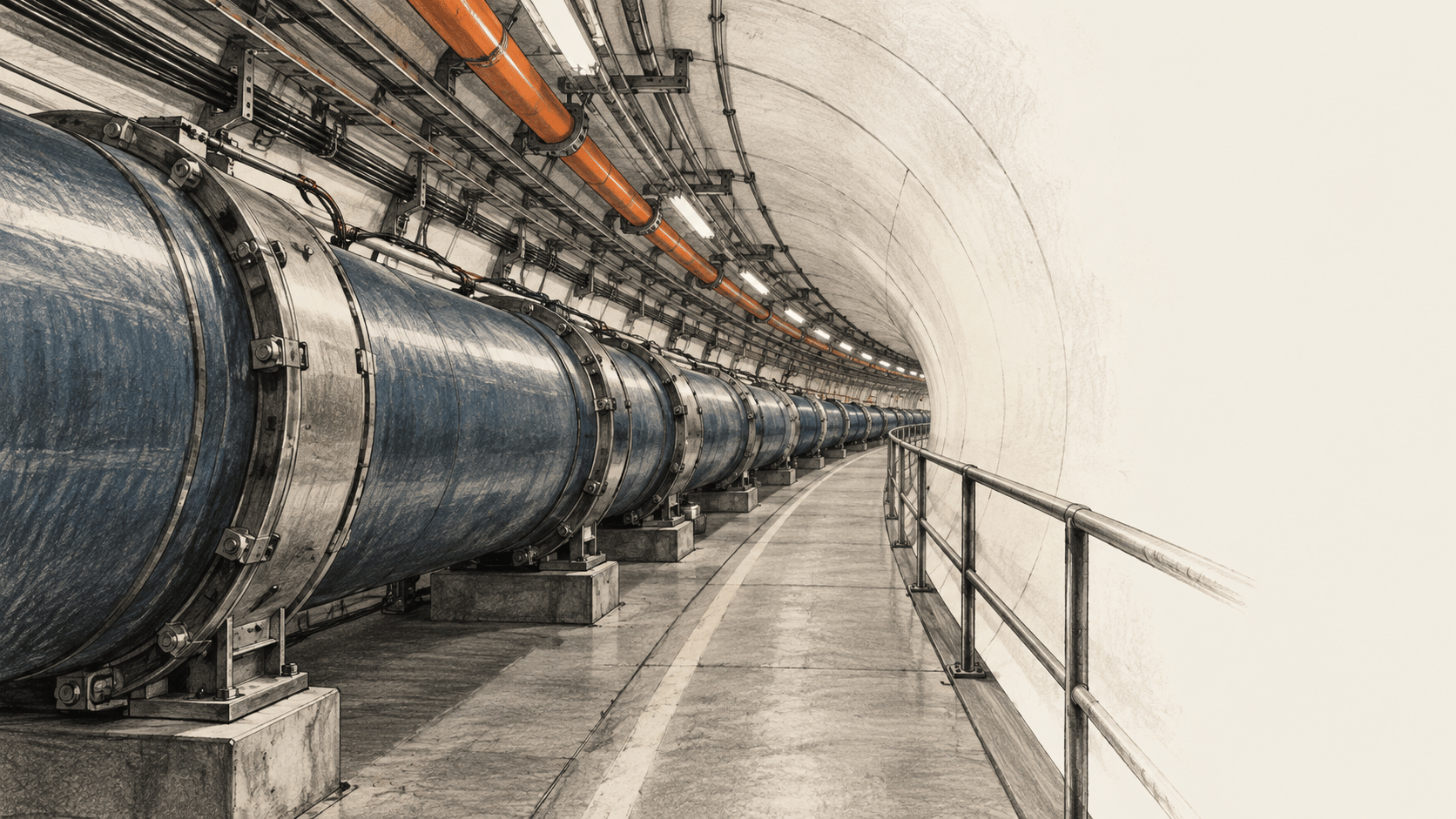
CERN and Mistral plan a physics foundation model

CERN and Mistral signed a statement of intent for AI in physics. Existing CMS reconstruction work predates the proposed foundation-model partnership.

The big change

What changed: CERN and Mistral agreed to explore a long-term partnership centred on a model intended to work across multiple collider-physics tasks.

Why it matters: CMS currently reconstructs collision events through specialised steps. A reusable pretrained model could be valuable if it proves accurate across tasks and detector conditions, but the partnership has not demonstrated that result.

What to watch: The first test will be a documented model and task-specific comparisons with existing methods. The statement gives no release date, validation milestone or public access terms.

Read the full story
—
Back to the briefing
Original story: news

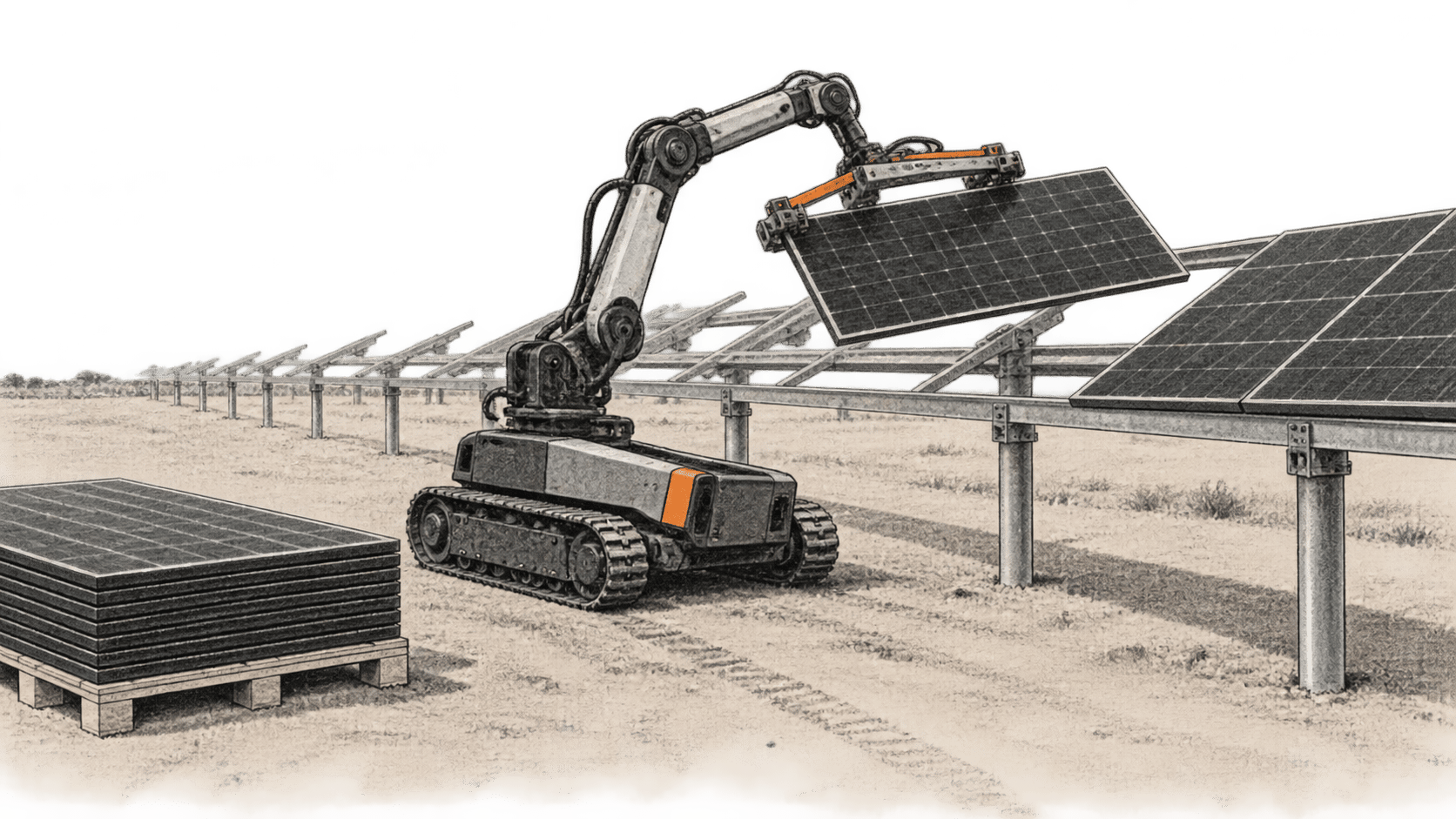
ARENA funds Australian manufacturing for two solar construction robots

ARENA awarded up to A$31.1 million for local production and deployment of panel-placement and piling robots. Earlier trials show field use, while the new factories, fleets and proposed night work remain plans.

The big change

What changed: ARENA is funding a Melbourne manufacturing facility for LUMI panel-placement robots and a Queensland assembly and operations hub for Built's autonomous piling systems.

Why it matters: The robots address separate construction tasks. The projects will test whether earlier field deployments can become repeatable equipment and workflows for Australian solar crews.

What to watch: Luminous aims to manufacture and deploy about 100 LUMIs by 2029. Built plans 12 new piling robot sets by October 2028, alongside trials of automated pre-drilling and night operations. Those capabilities and production volumes still need to be demonstrated.

Read the full story
—
Back to the briefing
Original story: news

YouTube Music starts labeling tracks made largely with generative AI

YouTube Music is rolling out a player label for tracks with significant generative AI involvement. The disclosure does not reveal every step of a track's creation.

The big change

What changed: YouTube says it draws on music-partner declarations and its own detection tools to decide which tracks receive a listener-visible label. It has not specified how those inputs map to the label.

Why it matters: For music that mixes human and generated work, the label signals substantial AI involvement without supplying a complete production history or proving the entire track was AI-made.

What to watch: YouTube says the music labels will expand to the main YouTube app. It has not announced when.

Read the full story
—
Back to the briefing