THE WORLD IS NOT STANDING STILL.RSS
BIG CHANGE.
BIG CHANGE, one tap away

Make room for the big picture.

Add BIG CHANGE to your home screen or desktop. It opens in its own window, with the latest stories when you’re online.

iPhone & iPad
Open bigchange.ai in Safari. Tap Share, then Add to Home Screen. Turn on Open as Web App if shown, then tap Add.
Android
Open bigchange.ai in Chrome. In the browser menu, choose Install app or Add to Home screen.
Desktop
In Chrome or Edge, use the install icon in the address bar or the browser’s app menu. In Safari on Mac, choose File → Add to Dock.
All briefings

Follow the change ·

The day,
in perspective.

What happened in AI and robotics — and the change behind it. A reading path through 34 stories from BIG CHANGE.

Ordered using RADAR attention, story opens and likes. Excerpts from our published reporting; open a story for the full context and sources. Dates in UTC.

Original story: guide

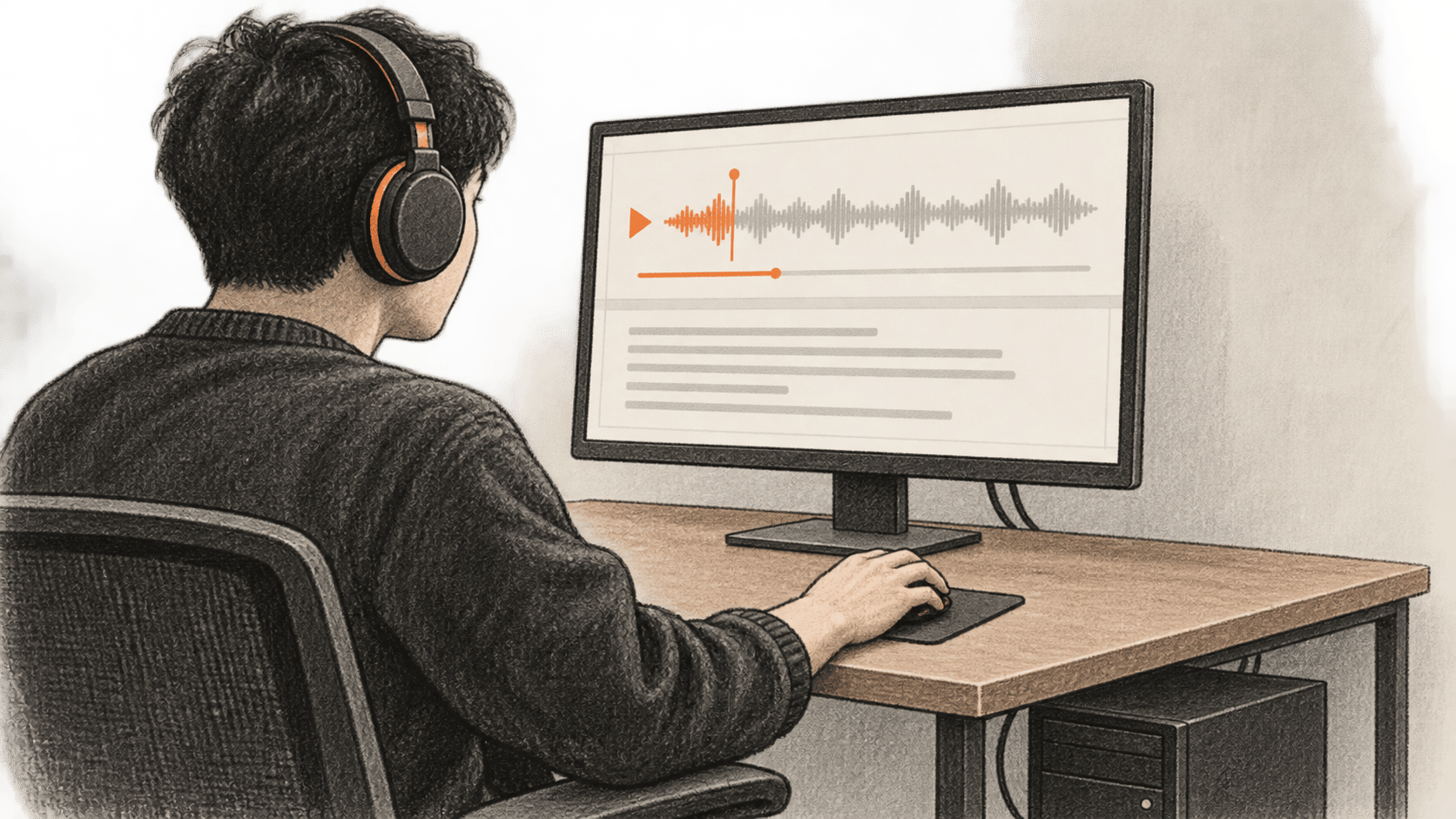
Run Audio8 ASR Infinite locally and check a first transcript

Download the pinned Audio8 checkpoint, start its local adapted-vLLM backend, stream a permitted recording and verify the saved transcript against the audio.

The big change

What changed: Edge0 provides a full checkpoint and a local streaming service, so a technical team can inspect a first transcription on its own GPU host instead of sending that recording to a hosted transcription endpoint.

Why it matters: Local execution gives the operator control over the input and saved result, but the service still has to fit the available hardware and its logs can contain transcript text. Keeping data on a local host does not settle consent or retention obligations.

What to watch: The useful acceptance check is the client's completed event plus a listening comparison, not a healthy container alone. Hardware fit, accuracy on your recording and sustained performance remain unmeasured here.

Read the full story
—
Back to the briefing
Original story: guide

Make a checked infographic, process diagram and visual explainer with AI

Use Canva and Lucid AI to draft three distinct visuals, then check infographic figures, process branches and explainer panels against approved source records before exporting.

The big change

What changed: AI can arrange source material into an editable design and draft a flowchart from written steps. The source record still determines what every figure, label and arrow should say.

Why it matters: A communicator can start with a layout or diagram draft, then spend the careful work on three different checks: data for the infographic, process logic for the diagram and claim order for the explainer. Canva's AI chart tool specifically excludes infographic chart types.

What to watch: The decisive step is the exported file. Its displayed values, branch paths and panel text must still match the approved records at the size and in the format the audience will receive.

Read the full story
—
Back to the briefing
Original story: guide

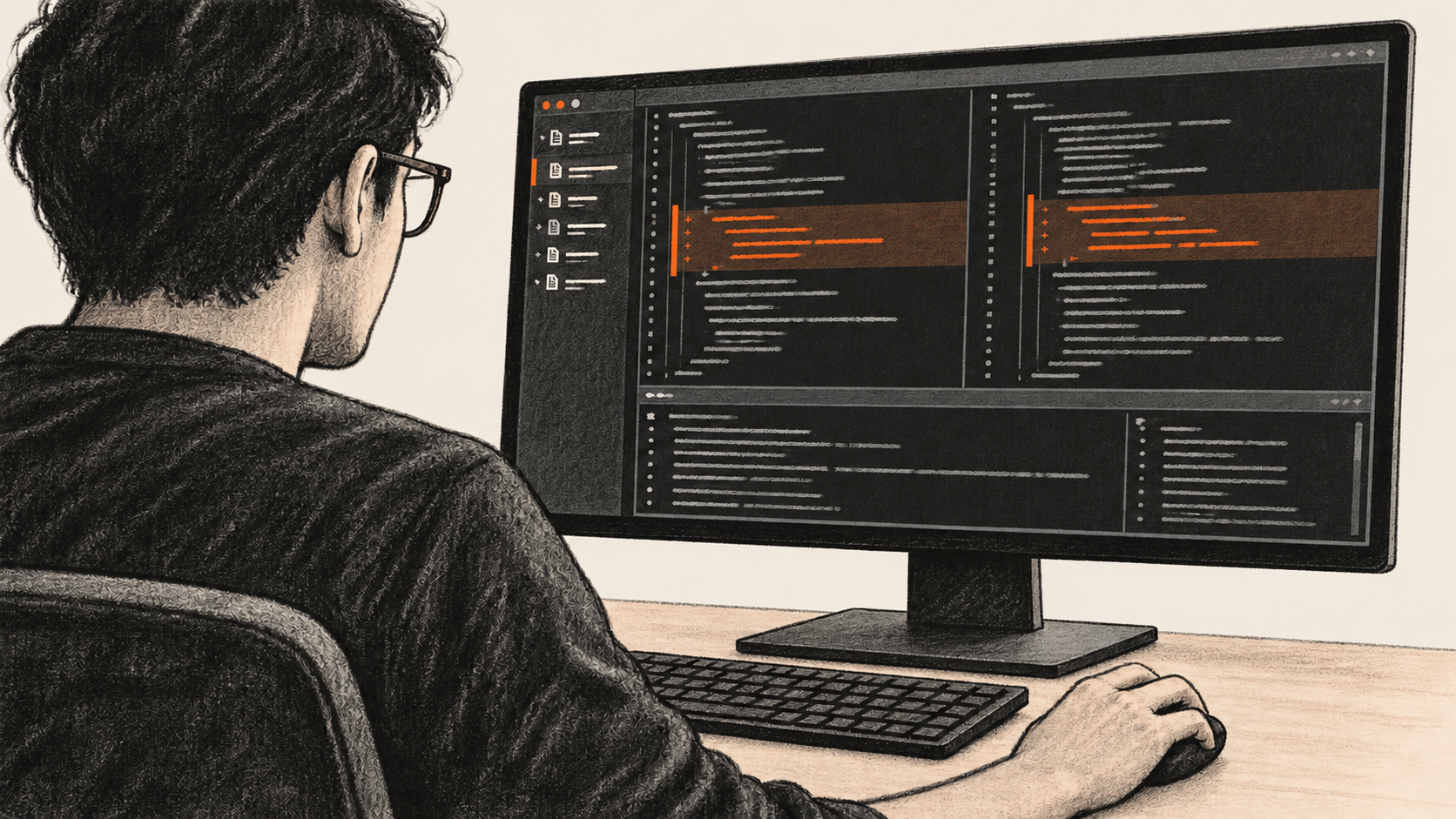
How to run and review a GPT-5.5 multi-file change in Codex

GPT-5.5 remains available to eligible API-key Codex projects. Set a real two-file coding task, verify the active model, then inspect tests and the complete patch before acceptance.

The big change

What changed: ChatGPT sign-in no longer grants GPT-5.5 in Codex; the documented API-key route remains.

Why it matters: Selecting gpt-5.5 in an authorized API project lets you assess that specific model on your own bounded coding task.

What to watch: Project access and API charges vary. Verify the active model, actual diff and test output before accepting any result.

Read the full story
—
Back to the briefing
Original story: guide

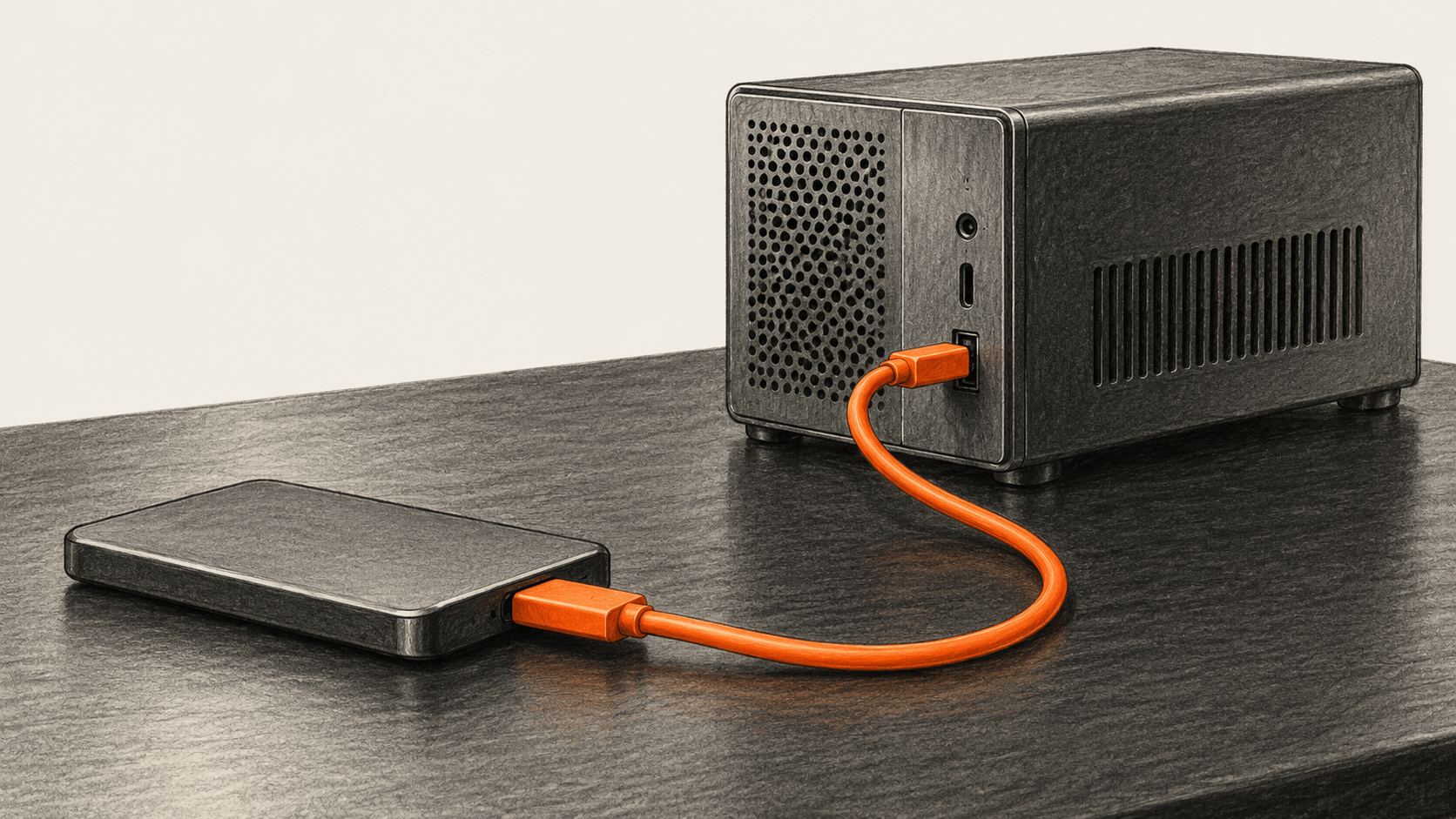
How to verify an AI-assisted Oracle-to-PostgreSQL migration

Use AWS's scoped AI schema conversion with separate DMS row migration, matched-checkpoint validation and a tested reverse-CDC cutover plan. A documentation-based guide for authorized DBA teams.

The big change

What changed: DMS Schema Conversion offers generative AI for specified SQL action items on the Oracle-to-RDS PostgreSQL path. The converted code still needs review and testing.

Why it matters: A team can pair that code review with a separately configured full load and ongoing replication, then compare the resulting data against the source at recorded checkpoints.

What to watch: The route joins current Schema Conversion documentation to an older AWS migration walkthrough that uses AWS SCT for schema work. Rehearse the combined configuration. After PostgreSQL starts accepting writes, rollback depends on a working reverse change stream, not a snapshot alone.

Read the full story
—
Back to the briefing
Original story: guide

Measure MCP tool context without losing the answer

Build a pinned local MCP server and Claude host, compare five context controls against a broad baseline, and check answers before token totals.

The big change

What changed: The current MCP TypeScript SDK v2 supports a local stdio server and client with validated tool schemas. A host can choose which returned content enters a Claude Messages tool result.

Why it matters: Filtering, server-side counting, record pagination, and selective host context change what reaches the model. The revision-bound application cache reuses server results; a cache hit alone does not shorten that result. Their combined token effect is an experiment, not a promised saving.

What to watch: A smaller response can omit a later-page record, lose a caveat, or require extra model turns. Check the answer and the full usage record before calling an optimization successful.

Read the full story
—
Back to the briefing
Original story: guide

Build and check a no-code two-agent support triage in n8n

A documented n8n recipe for a restricted support form, two tool-using AI workers, shared run state, fail-closed checks and a human-reviewed draft. Readers verify actual production executions and worker overlap.

The big change

What changed: n8n's documented sub-workflow, agent-tool and Data Table controls can be assembled into a support draft that keeps two worker roles and their evidence separate.

Why it matters: A parent workflow can refuse a draft when either worker or its approved source is missing, late or flagged for review.

What to watch: Asynchronous dispatch alone does not prove simultaneous work. The owner must inspect both child execution intervals and the published production run.

Read the full story
—
Back to the briefing
Original story: guide

Build a Codex skill from work you have already accepted

Trace an accepted artifact back to its real input, write a new Codex skill from the repeatable steps, then check it on a second task and revise an observed defect.

The big change

What changed: Codex can load a local procedure from SKILL.md; a user can derive that procedure from the decisions and checks behind work already accepted, instead of starting with generic instructions.

Why it matters: Tracing each accepted feature to its source and rule gives the next run something specific to follow and the owner something concrete to inspect. The saved file alone does not establish that it works on new input.

What to watch: The second real task and a nearby request outside the skill's scope reveal whether the instructions transfer and whether selection stays bounded. Keep a revision only after checking actual output and selection evidence.

Read the full story
—
Back to the briefing
Original story: guide

Run one bounded AI agent overnight and inspect its morning digest

A documented n8n recipe for one read-only night work order: approved notes, a bounded agent, saved state and failure alerts, then human review of the morning draft.

The big change

What changed: A published n8n schedule can hand one approved work order to a read-only AI agent and save an internal morning draft.

Why it matters: A fixed source allowlist, durable run row and finite model settings give an owner evidence to inspect before acting on unattended output.

What to watch: The schedule, model and error alert each need an actual production readback; cost limits do not guarantee one charge or a hard dollar ceiling.

Read the full story
—
Back to the briefing