THE WORLD IS NOT STANDING STILL.RSS
BIG CHANGE.
BIG CHANGE, one tap away

Make room for the big picture.

Add BIG CHANGE to your home screen or desktop. It opens in its own window, with the latest stories when you’re online.

iPhone & iPad
Open bigchange.ai in Safari. Tap Share, then Add to Home Screen. Turn on Open as Web App if shown, then tap Add.
Android
Open bigchange.ai in Chrome. In the browser menu, choose Install app or Add to Home screen.
Desktop
In Chrome or Edge, use the install icon in the address bar or the browser’s app menu. In Safari on Mac, choose File → Add to Dock.
All briefings

Follow the change ·

The day,
in perspective.

What happened in AI and robotics — and the change behind it. A reading path through 19 stories from BIG CHANGE.

Ordered using RADAR attention, story opens and likes. Excerpts from our published reporting; open a story for the full context and sources. Dates in UTC.

Original story: news

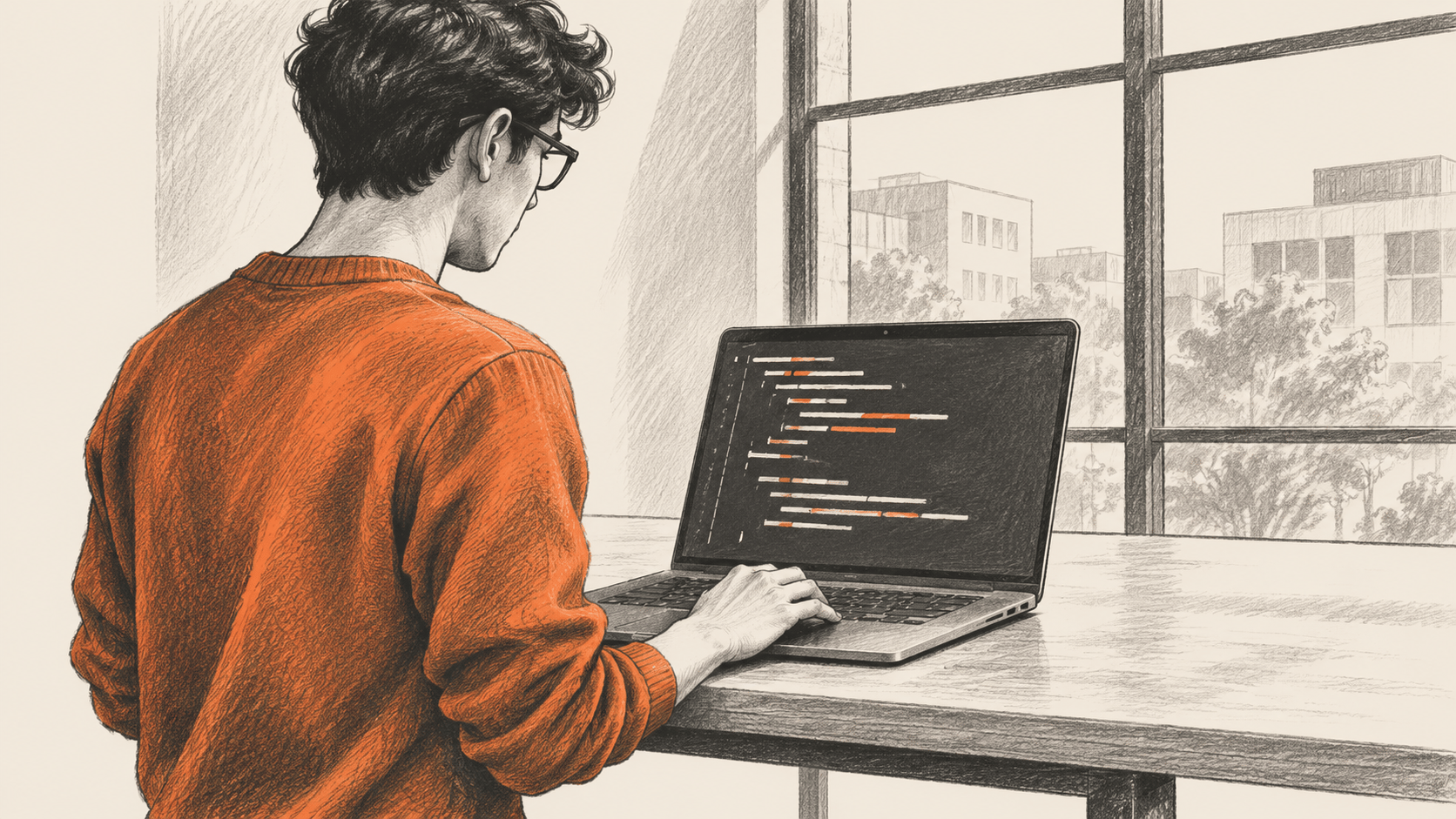
Mirendil raises $1 billion for AI research tools

The startup is developing a model and agent environment for AI researchers.

The big change

Mirendil is pursuing both models and an agent system for research and engineering. Its financing supports that effort, but the company’s account of what its systems can do is not an independent assessment of their reliability.

Fern is a model intended to work with long stretches of code and text. A large input limit does not, by itself, show that a model can understand every detail or make reliable decisions across that input.

Lor is an agent environment in private beta. Access and evaluation matter to researchers: an invitation to test a tool is different from an established, generally available service with independently demonstrated results.

Read the full story
—
Back to the briefing
Original story: news

Sompo and NTT to study physical AI in care work

The partners are examining indirect work and potential trials.

The big change

The proposed starting tasks include cleaning, laundry, preparing and clearing meals, and transporting items. Direct physical assistance to residents is outside that initial focus.

Physical AI uses cameras or sensors to inform decisions that equipment turns into actions. The partners still have to define use cases, demonstrations and data handling.

Technology need not replace a whole care role to be useful. The OECD describes tools supporting particular tasks, while warning that expensive equipment and doubts about acceptance can impede adoption.

Read the full story
—
Back to the briefing
Original story: news

Nebuly raises $21 million to measure enterprise AI value

The platform estimates the business value of AI-agent conversations.

The big change

Nebuly analyzes conversations with employee and customer-facing agents to identify business-value signals. The funding supports expansion, not independent proof that customers have saved money.

Its calculation guide values estimated time saved using an adjustable rate. Changing assumptions can change the amount without changing the conversation, so a dollar figure needs an explanation.

Conversation analysis also requires decisions about sensitive data. Nebuly's own redaction experiment missed identifiers, and its terms distinguish retention of customer data from retention of analytical outputs.

Read the full story
—
Back to the briefing
Original story: news

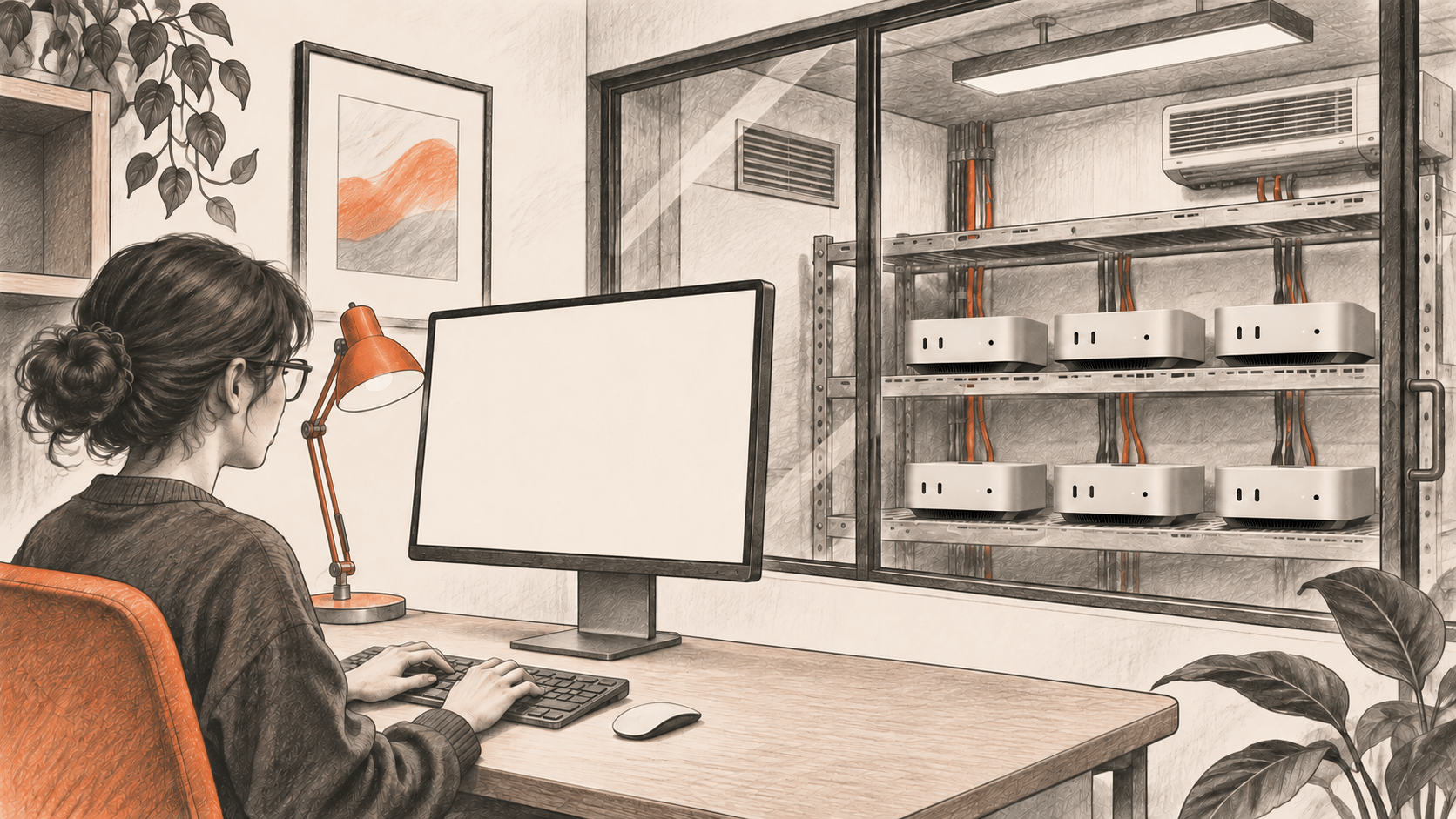
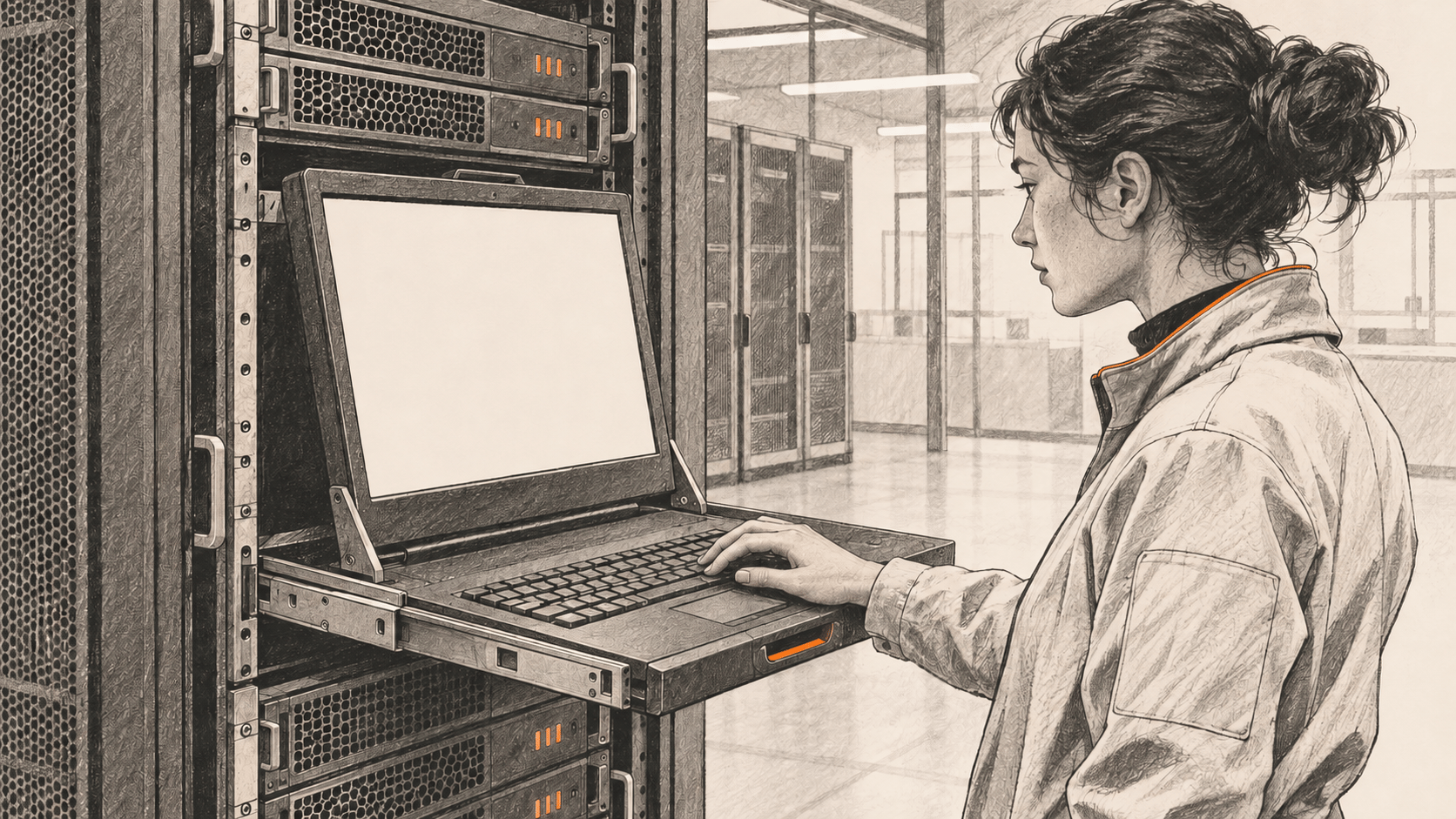
Mount Thor raises $45 million for Mac cloud infrastructure

The company offers managed Apple hardware for agents and software testing.

The big change

Mount Thor says it has deployed its first data center and plans to expand its computing footprint. Its funding announcement describes a service and an expansion plan; it does not establish the scale or performance of customer deployments.

The company offers dedicated Macs and macOS virtual machines. Its documentation says access requests are reviewed, so a public sign-up page is not a promise that everyone can immediately launch a machine.

A Mac environment can matter when an agent must interact with macOS applications. Buyers should evaluate task completion separately from hosting access, privacy and cost.

Read the full story
—
Back to the briefing
Original story: news

United restricts unauthorized AI booking agents

The airline is limiting access across direct and indirect channels.

The big change

The restriction concerns software acting for travelers, not a general ban on human travel agents. Asking for itinerary suggestions and authorizing a purchase are different actions.

Existing reservations need a separate check from new bookings. Travel Weekly reports United will honor agent-made bookings predating November 11.

Airline access policy and hazardous-material notification rules are different questions. The federal provision concerns presenting safety information and, in specified self-service circumstances, acknowledging receipt; it does not name AI agents.

Read the full story
—
Back to the briefing
Original story: news

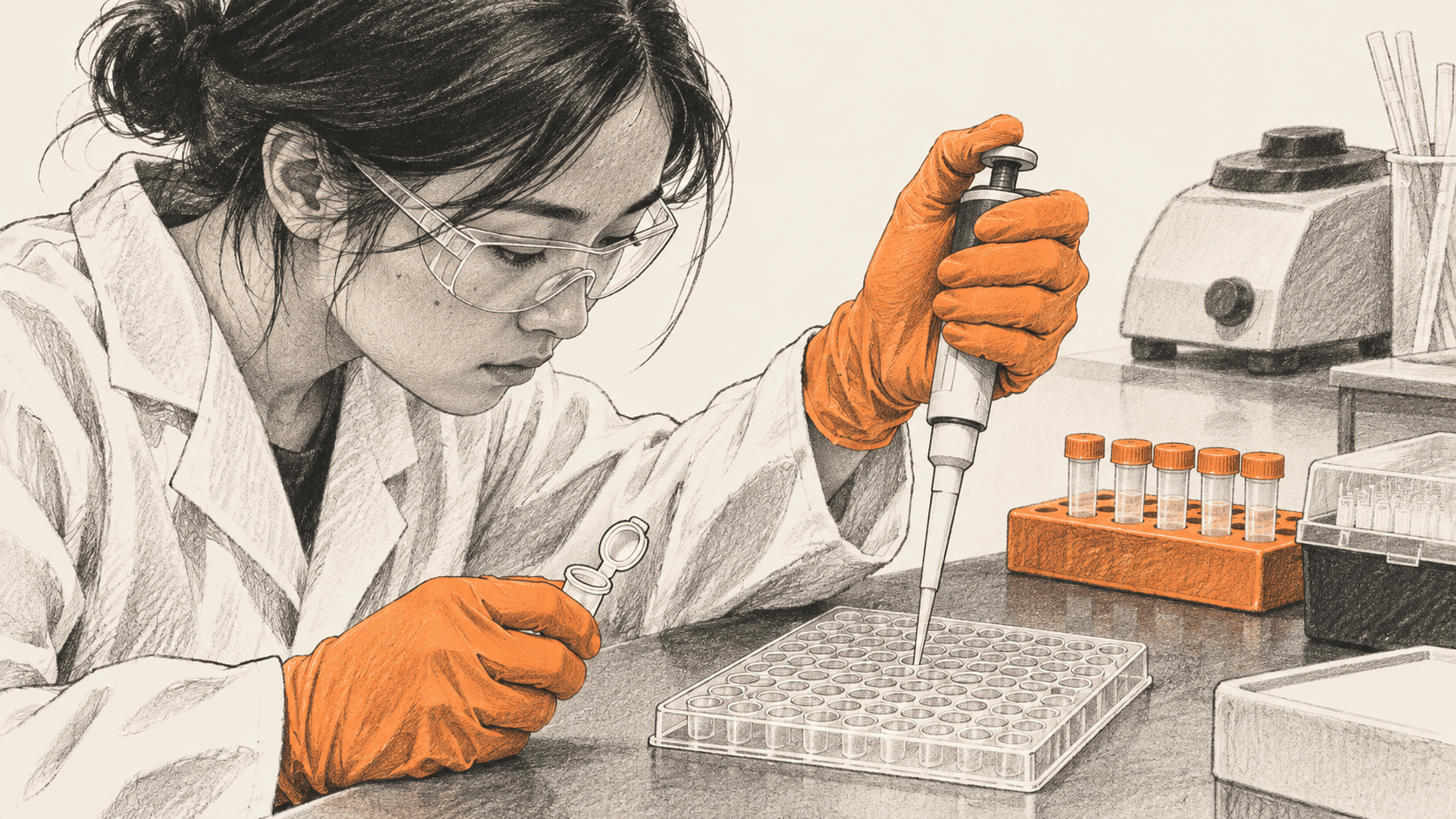
Biomatter raises $18 million for AI enzyme design

The company plans a new facility to expand design and testing.

The big change

Biomatter says it designs enzymes for a customer's desired reaction, then tests them. Enzymes are proteins that help chemical reactions happen; a proposed sequence still needs experimental verification.

The company wants to shorten development from weeks to days. That is a goal, not an independently measured improvement.

Earlier research demonstrated some working generated enzymes. Its laboratory results explain why testing matters, without establishing a success rate for today's commercial platform.

Read the full story
—
Back to the briefing
Original story: news

Google introduces Gemini 4 Hydrogen for agent workflows

The model is rolling out to developers and consumer products with shared context limits.

The big change

Google positions Hydrogen, adapted from Carbon, for faster execution. Its availability differs by product, so access to one Google service does not establish access through another.

Input and output share one context limit. Developers must leave room for thinking and tool calls as well as the final answer, rather than filling the entire allowance with documents or code.

API spending depends on both the rate and the number of tokens used. A useful comparison therefore measures cost alongside successful work, rather than assuming that a lower unit price guarantees a cheaper result.

Read the full story
—
Back to the briefing
Follow-up story: news

Jensen Huang resigns as NVIDIA CEO

Colette Kress takes the interim role as the board begins a permanent search.

The big change

Kress retains her finance role while the board searches internally and externally for a permanent CEO. Harvey C. Jones becomes its first chair.

The board expects operations, customer commitments and the product roadmap to continue uninterrupted. That is an expectation, not a delivery guarantee.

An earlier independent inquiry remains a separate question. The transition statement gives neither a reason for the resignation nor an investigation conclusion.

Read the full story
—
Back to the briefing