THE WORLD IS NOT STANDING STILL.RSS
BIG CHANGE.
BIG CHANGE, one tap away

Make room for the big picture.

Add BIG CHANGE to your home screen or desktop. It opens in its own window, with the latest stories when you’re online.

iPhone & iPad
Open bigchange.ai in Safari. Tap Share, then Add to Home Screen. Turn on Open as Web App if shown, then tap Add.
Android
Open bigchange.ai in Chrome. In the browser menu, choose Install app or Add to Home screen.
Desktop
In Chrome or Edge, use the install icon in the address bar or the browser’s app menu. In Safari on Mac, choose File → Add to Dock.
All briefings

Follow the change ·

The day,
in perspective.

What happened in AI and robotics — and the change behind it. A reading path through 19 stories from BIG CHANGE.

Ordered using RADAR attention, story opens and likes. Excerpts from our published reporting; open a story for the full context and sources. Dates in UTC.

Original story: news

DeepL introduces Aure for expressive voice translation

A new model aims to carry changes in delivery across languages.

The big change

Aure uses incoming audio and translated words to adjust delivery continuously, DeepL says. Its expression and accuracy claims remain unverified here.

Listening and reading have different meeting requirements. The desktop deployment guide says each translated-audio listener needs a license and app, while other participants can read captions without either.

Ending a meeting does not necessarily erase its text everywhere. DeepL describes temporary service memory alongside participant-device storage, so organizers need to check retention settings as well as access.

Read the full story
—
Back to the briefing
Original story: news

Orakl Oncology raises $34 million for cancer drug research

The company combines tumour models and patient data to inform drug development.

The big change

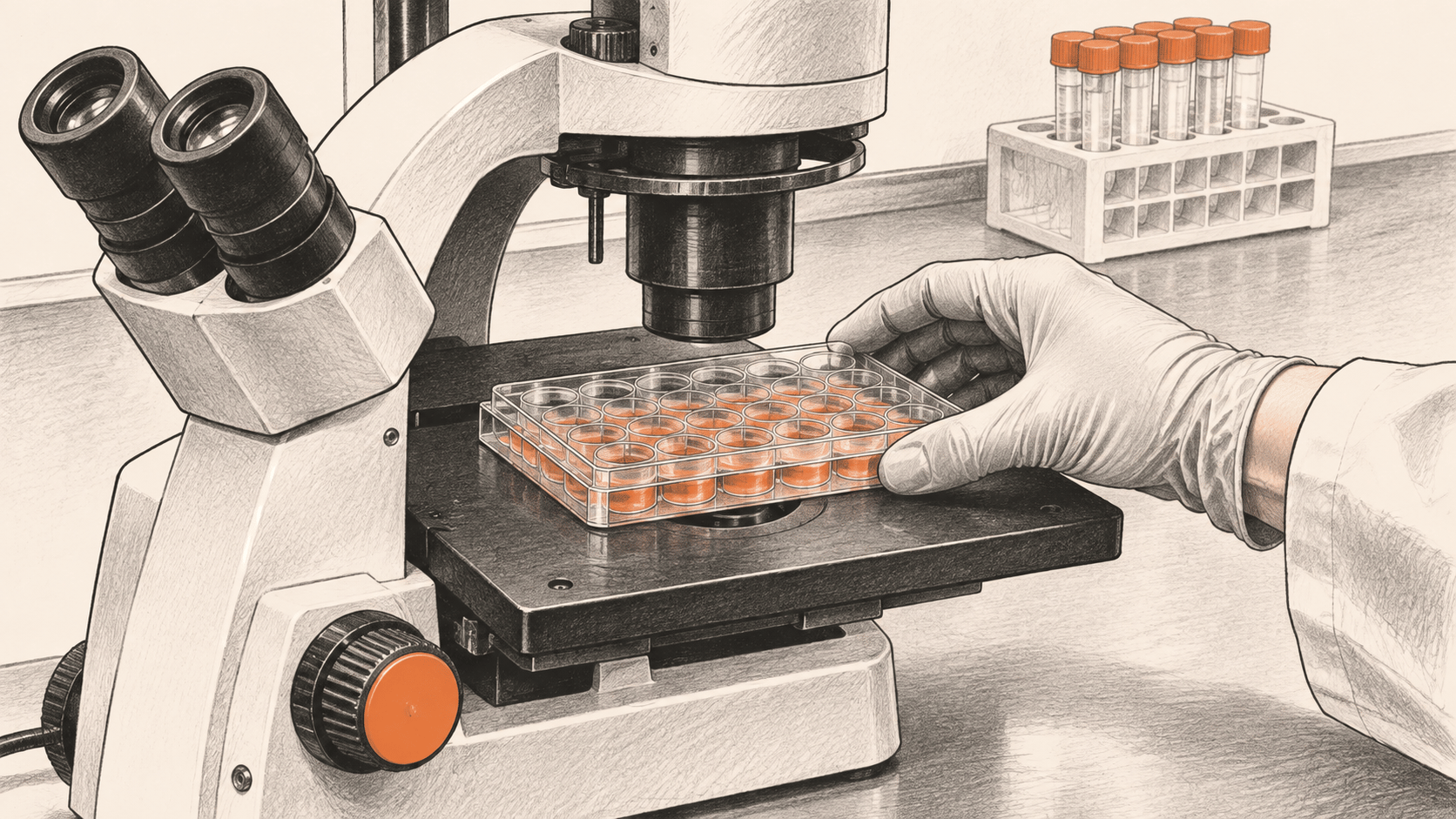
Orakl combines laboratory-grown tumour models, drug tests and patient information with machine learning. Its goal is to help drug developers decide which treatments and patient groups merit further research.

A laboratory response and a benefit for a patient are different questions. Cultures allow controlled drug testing, but interpretation depends on how responses are measured and compared with clinical evidence.

Norrsken says the company plans to expand its dataset and AI team and add lung and gastric cancers. Financing supports that work; it is not clinical validation.

Read the full story
—
Back to the briefing
Original story: news

DexSeed studies robot learning from grasps

Human recordings become simulated robot practice.

The big change

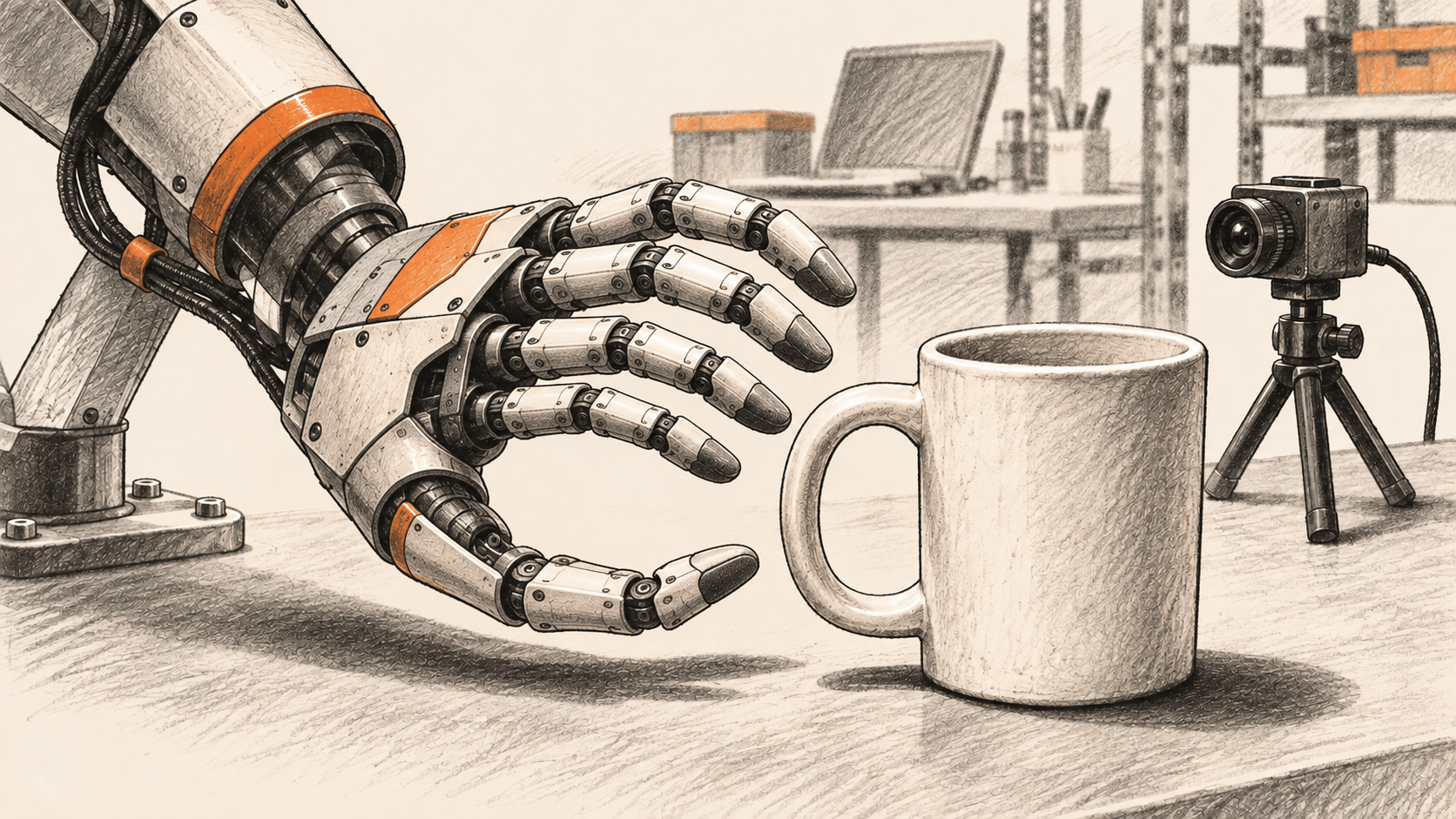
DexSeed adapts human hand–object relationships to a robot, varying shapes and locations. A simulated finger controller corrects grasps while the arm moves.

Physical success ranged from 20% to 80% across eight grasp modes, with ten trials and one object per mode. These are narrow tests.

Generating more practice examples can reduce repeated collection work. But the useful question is which situations the examples cover, and whether a trained robot succeeds under the conditions that matter.

Read the full story
—
Back to the briefing
Follow-up story: news

Runway opens Praxis-1 robot weights

Developers can now inspect and adapt the policy.

The big change

Public weights let developers inspect and adapt the policy. Access does not establish dependable operation on their hardware.

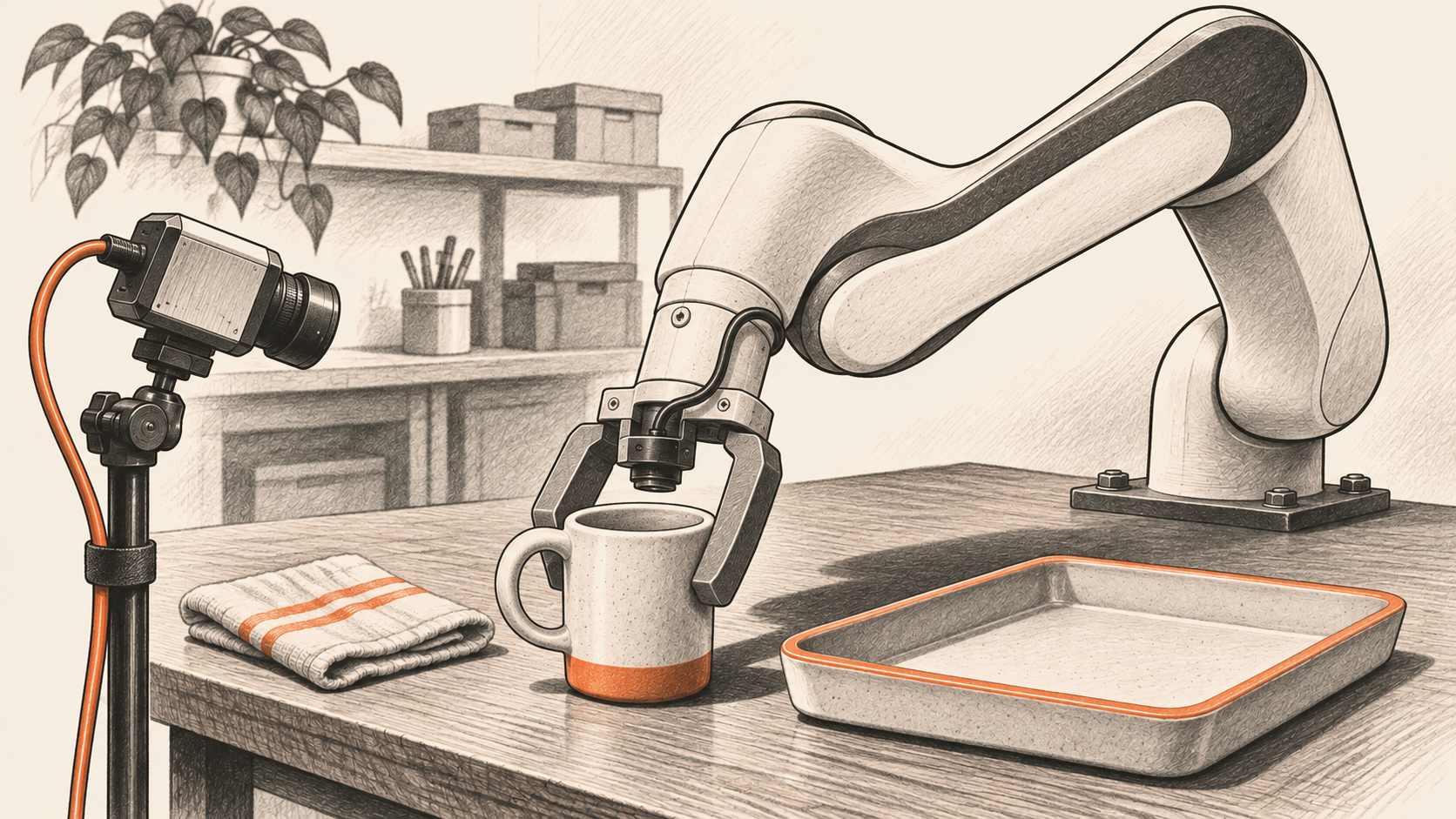
A robot policy turns observations into movement commands. Choosing an object and physically reaching it are different problems; a controller must account for what happens during motion.

A benchmark measures performance under specified conditions. Before treating a score as useful for an application, check the tasks, hardware and definition of success behind it.

Read the full story
—
Back to the briefing
Original story: news

Agile Robots raises $500 million for expansion

SoftBank led a round valuing the robotics company at $8.5 billion.

The big change

The company told Reuters it plans to use the money to expand in the United States and add production capacity, including in Germany. A funding round supports those plans; it does not establish that new facilities are operating.

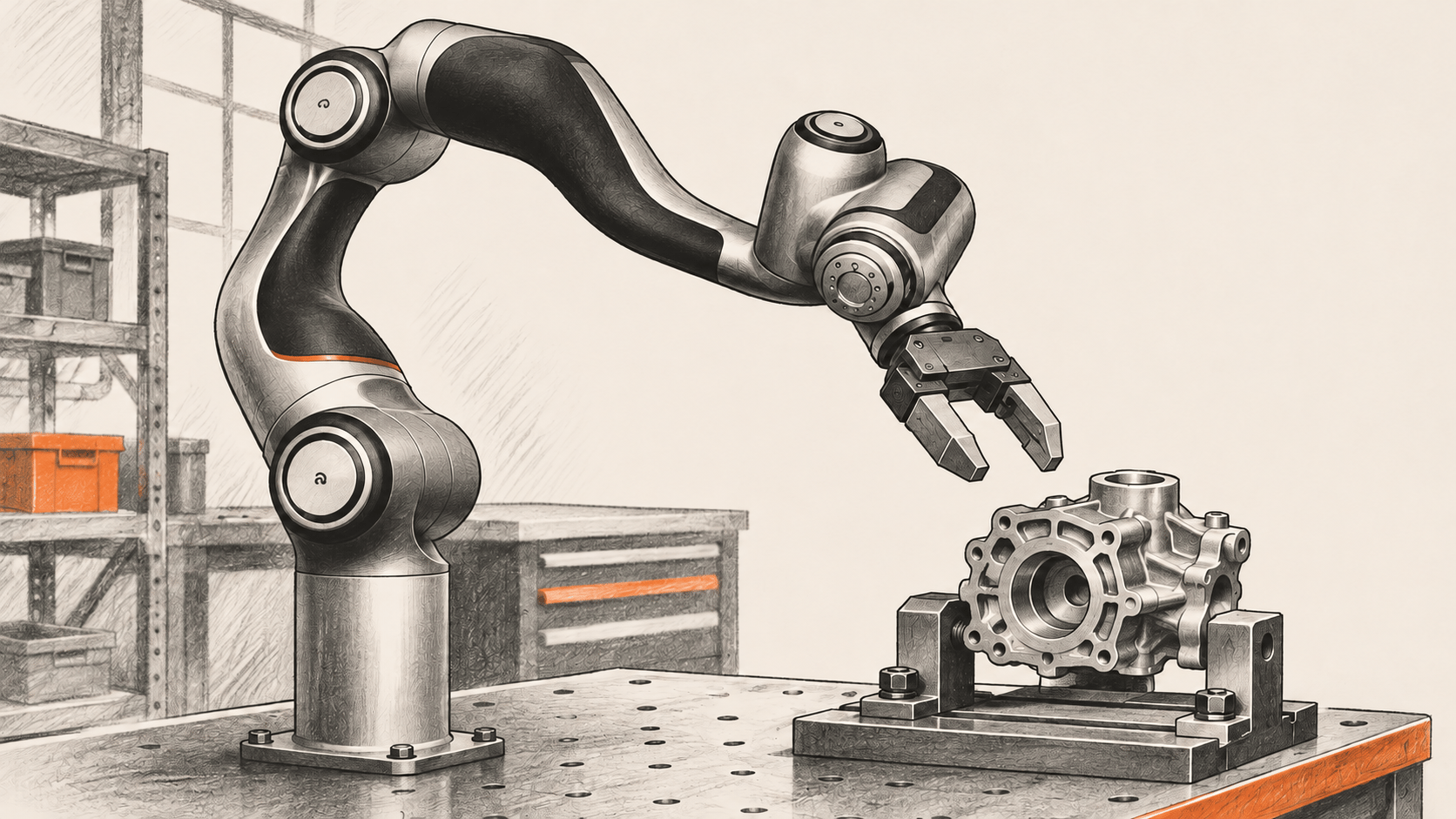
Agile Robots sells industrial arms and develops humanoid machines. Its existing customer deployments span robotic solutions more broadly, and should not be counted as humanoid shipments.

One current project tests mobile humanoids for parts sequencing in an Audi innovation lab. The companies describe a proof of concept and a virtual model before deployment into the logistics environment, rather than a completed production rollout.

Read the full story
—
Back to the briefing
Original story: news

IBM acquires AuthMind to extend agent identity security

IBM plans deeper integration of identity monitoring with Vault.

The big change

IBM wants to connect credential controls with observations of subsequent activity. A valid credential identifies an authorized route into a system; it does not establish that every later action is appropriate.

AuthMind had already offered capabilities to its customers running Vault in September. That earlier availability matters when distinguishing an existing supplier offering from plans for closer integration.

Short-lived credentials and activity monitoring address different questions: how long access remains usable, and what happens while it is used. Customers need evidence about both, rather than treating either as a complete safety guarantee.

Read the full story
—
Back to the briefing
Original story: news

NVIDIA reports broader GPU Snapshot support

Saved initialized state can shorten compatible inference restarts.

The big change

Snapshot saves prepared CPU and GPU state. Restoring it avoids repeating initialization, rather than merely reloading a model file.

NVIDIA’s tests exclude some setup costs. Its repository also advises against production-critical use, so the results need careful interpretation.

A useful evaluation should measure when a service becomes usable, not just one fast step. Operators should compare that result with the work required to maintain the recovery system.

Read the full story
—
Back to the briefing
Original story: news

Claris previews Harbor local AI server for Macs

The private preview describes local model serving and connected Macs.

The big change

Harbor is presented as a private preview, and its page asks people to sign up for updates. That does not establish a general release date or guarantee immediate access to the software.

Running a model locally changes where inference takes place: a computer on the user’s premises generates responses rather than sending every request to a cloud model. Claris promises that prompts and data stay on the user’s hardware, a claim BIG CHANGE has not tested.

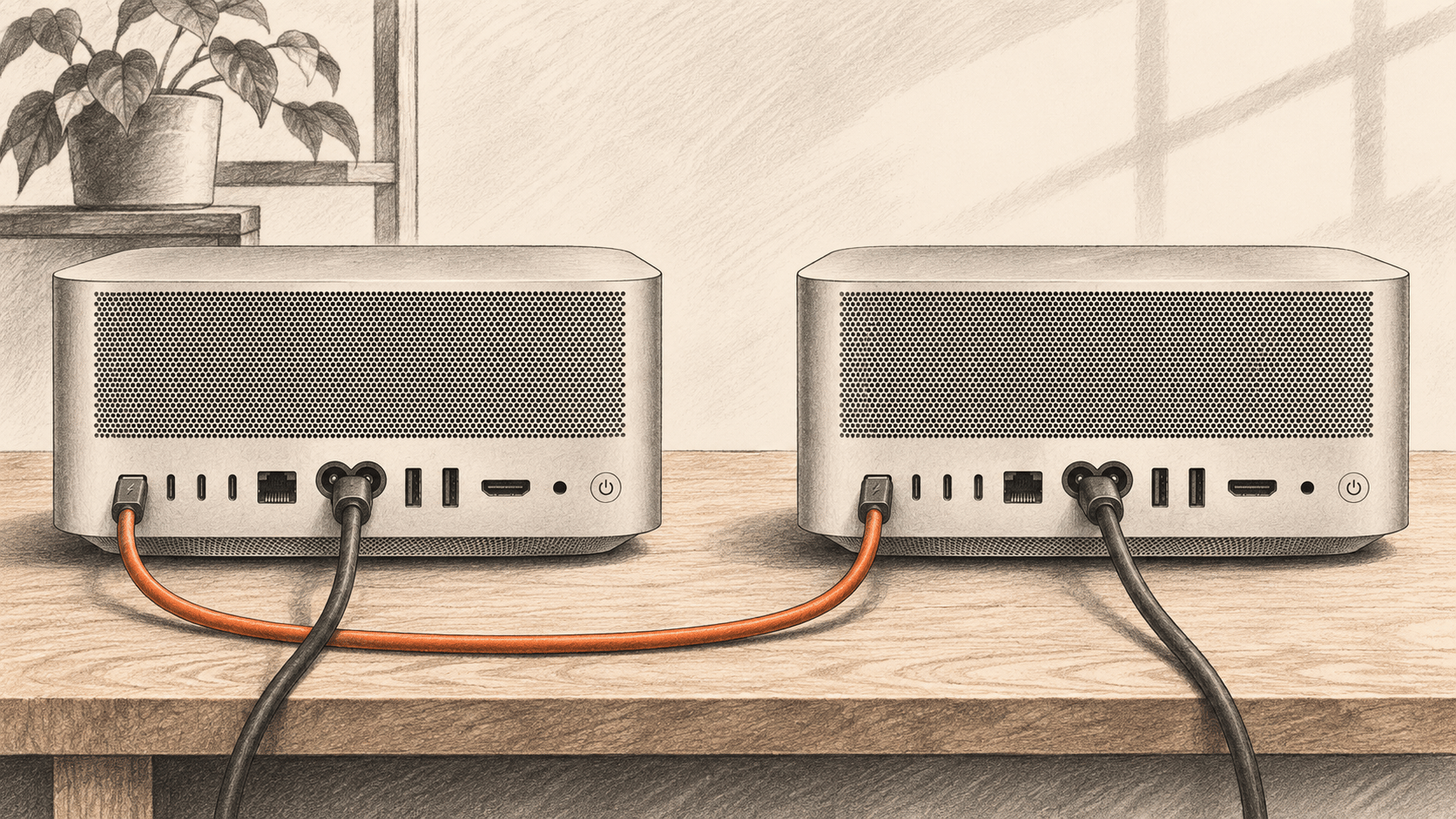
Clustering can let multiple computers share work, but hardware, setup and model choices still matter. A larger combined memory capacity is not itself a measured speed or a guarantee that every model will run well.

Read the full story
—
Back to the briefing