THE WORLD IS NOT STANDING STILL.RSS
BIG CHANGE.
BIG CHANGE, one tap away

Make room for the big picture.

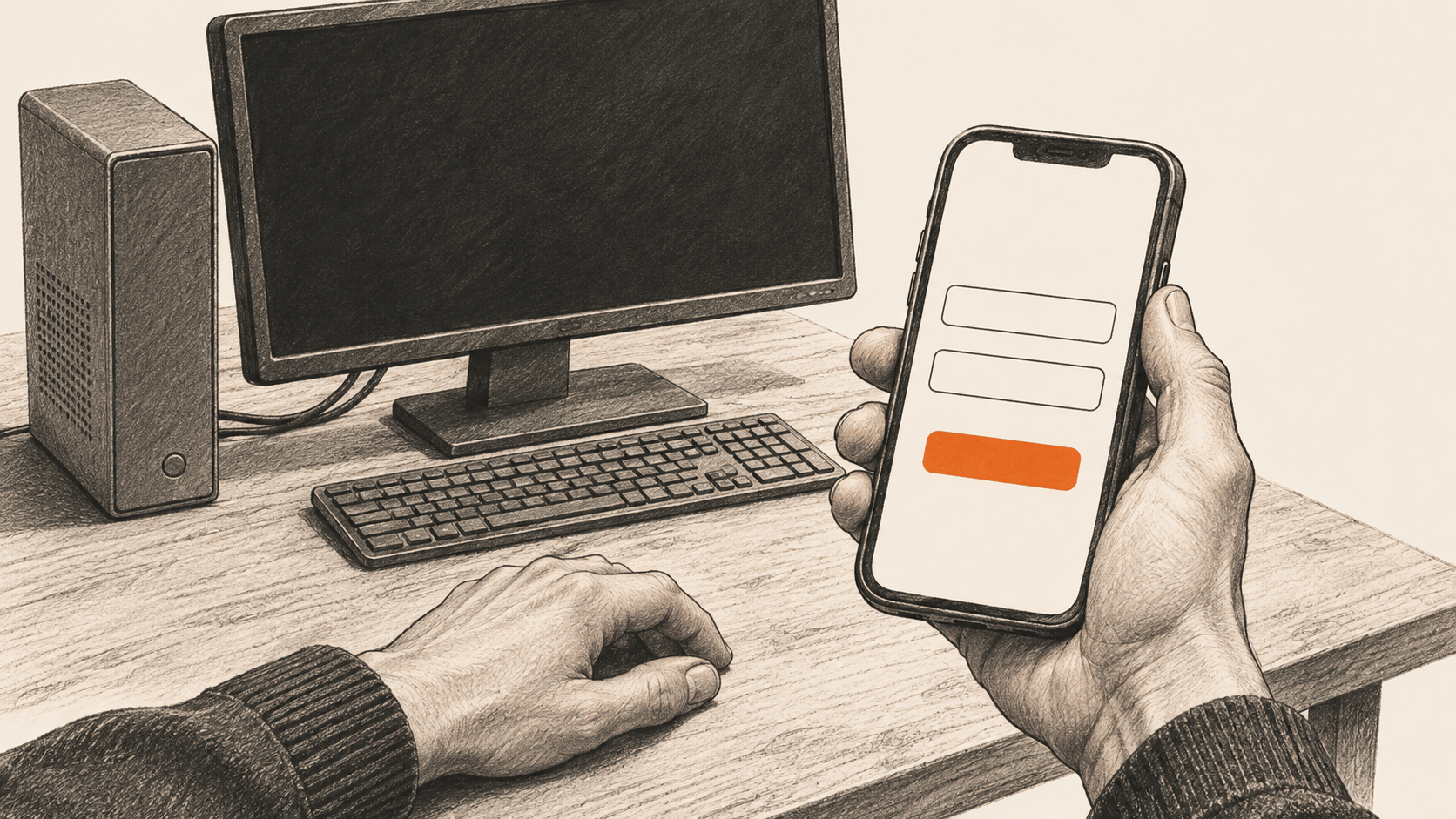
Add BIG CHANGE to your home screen or desktop. It opens in its own window, with the latest stories when you’re online.

iPhone & iPad
Open bigchange.ai in Safari. Tap Share, then Add to Home Screen. Turn on Open as Web App if shown, then tap Add.
Android
Open bigchange.ai in Chrome. In the browser menu, choose Install app or Add to Home screen.
Desktop
In Chrome or Edge, use the install icon in the address bar or the browser’s app menu. In Safari on Mac, choose File → Add to Dock.
All briefings

Follow the change ·

The day,
in perspective.

What happened in AI and robotics — and the change behind it. A reading path through 23 stories from BIG CHANGE.

Ordered using RADAR attention, story opens and likes. Excerpts from our published reporting; open a story for the full context and sources. Dates in UTC.

Original story: news

Mittwald begins restoring access after renewed attacks

MCP remains unavailable after an earlier intrusion.

The big change

Mittwald distinguishes a corporate-website compromise from an earlier MCP intrusion. A restoration announcement does not establish which individual projects were affected.

The earlier investigation examined 56 compromised projects. That figure belongs to the previous incident and must not be treated as a count of damage from the renewed attack.

MCP connects an AI assistant to hosting functions. Its own availability matters separately from a website loading or a customer being able to sign into a management portal.


Read the full story
—
Back to the briefing
Original story: news

Gemini eyewear preorders open

Compatibility and privacy need checking.

The big change

Compatibility is a purchase condition. Google requires US or South Korean Google accounts for people aged 18+ and supported phones: Pixel 7+ with Android 17's September 2026 update, qualifying Galaxy models on One UI 9+, or iPhone 13 Pro or later.

Human visual assistance has its own access arrangements. Aira’s earlier guide describes personal subscriptions alongside free-minute offers and organization-covered calls.

Privacy settings control different things. Google's general Gemini guidance distinguishes chat activity from data held by connected services, so deleting one history does not necessarily delete the other.

Read the full story
—
Back to the briefing
Original story: news

Grok app exposure reported

Sharing and permissions require separate checks.

The big change

Claroc's count concerns discovered apps, not all Grok apps or sensitive records. It inspected first pages; write tests used only two apps it created with fictional data.

A hostname can become discoverable through historical DNS records. A difficult-to-guess address therefore should not substitute for deciding who may access a resource.

Authentication establishes identity; authorization determines permitted actions. A sign-in screen alone does not establish that someone belongs to the team whose records they are requesting.

Read the full story
—
Back to the briefing
Original story: news

SGLang-Neuron preview on Trainium

Public preview follows an October beta.

The big change

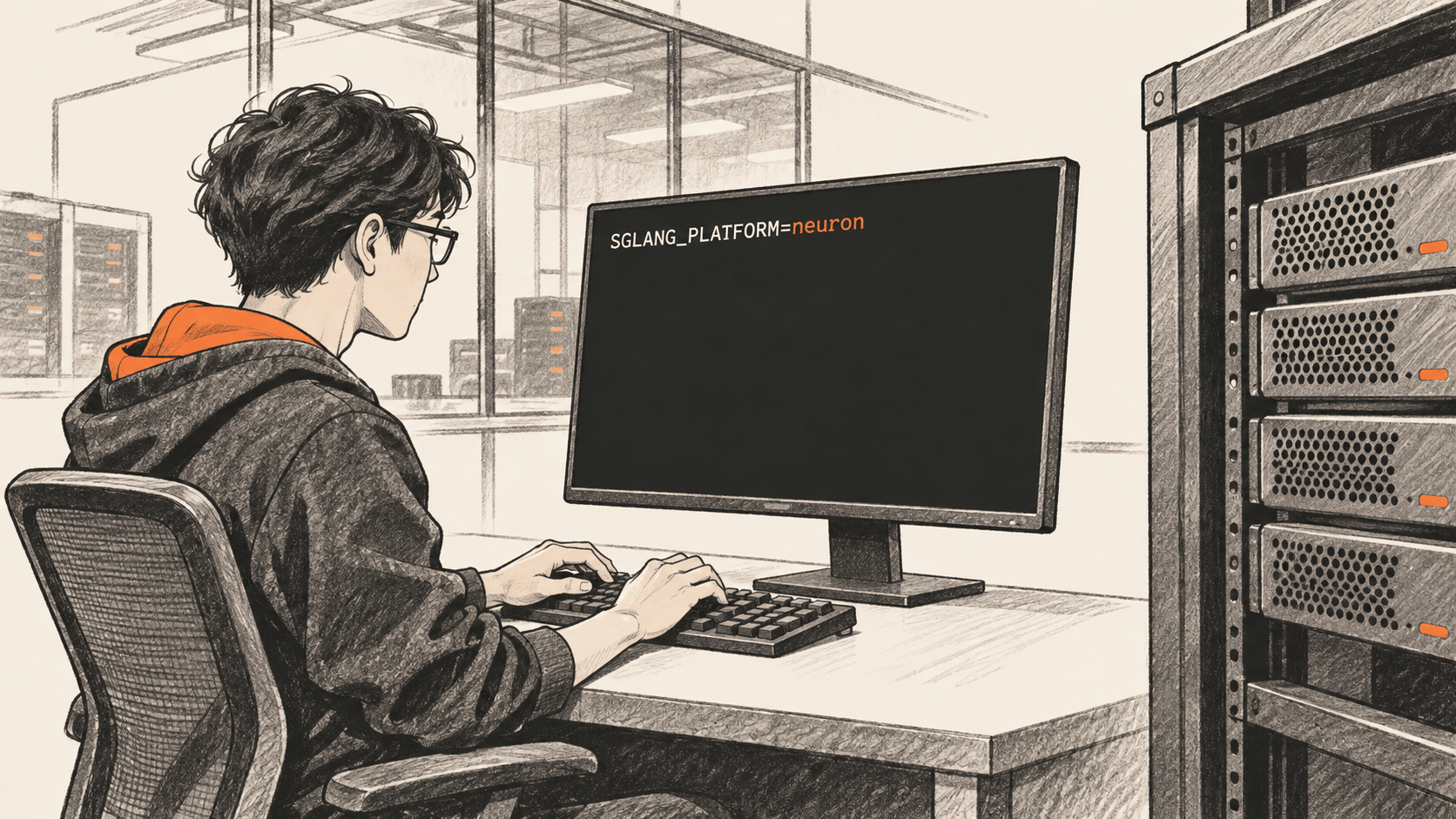
The supported hardware depends on the workload: language models use Trn3, while the listed diffusion models use trn2.48xlarge. A model-family name alone does not establish compatibility.

This follows a limited October beta. That earlier announcement already described Trainium serving and reinforcement-learning rollouts, so developers should distinguish wider access from a first demonstration.

An evaluation should use the application's prompts, expected output lengths and simultaneous traffic. A successful answer to one question cannot establish acceptable response times under the expected load.

Read the full story
—
Back to the briefing
Original story: news

Google opens precipitation datasets

Rainfall estimates have measurement and timing limits.

The big change

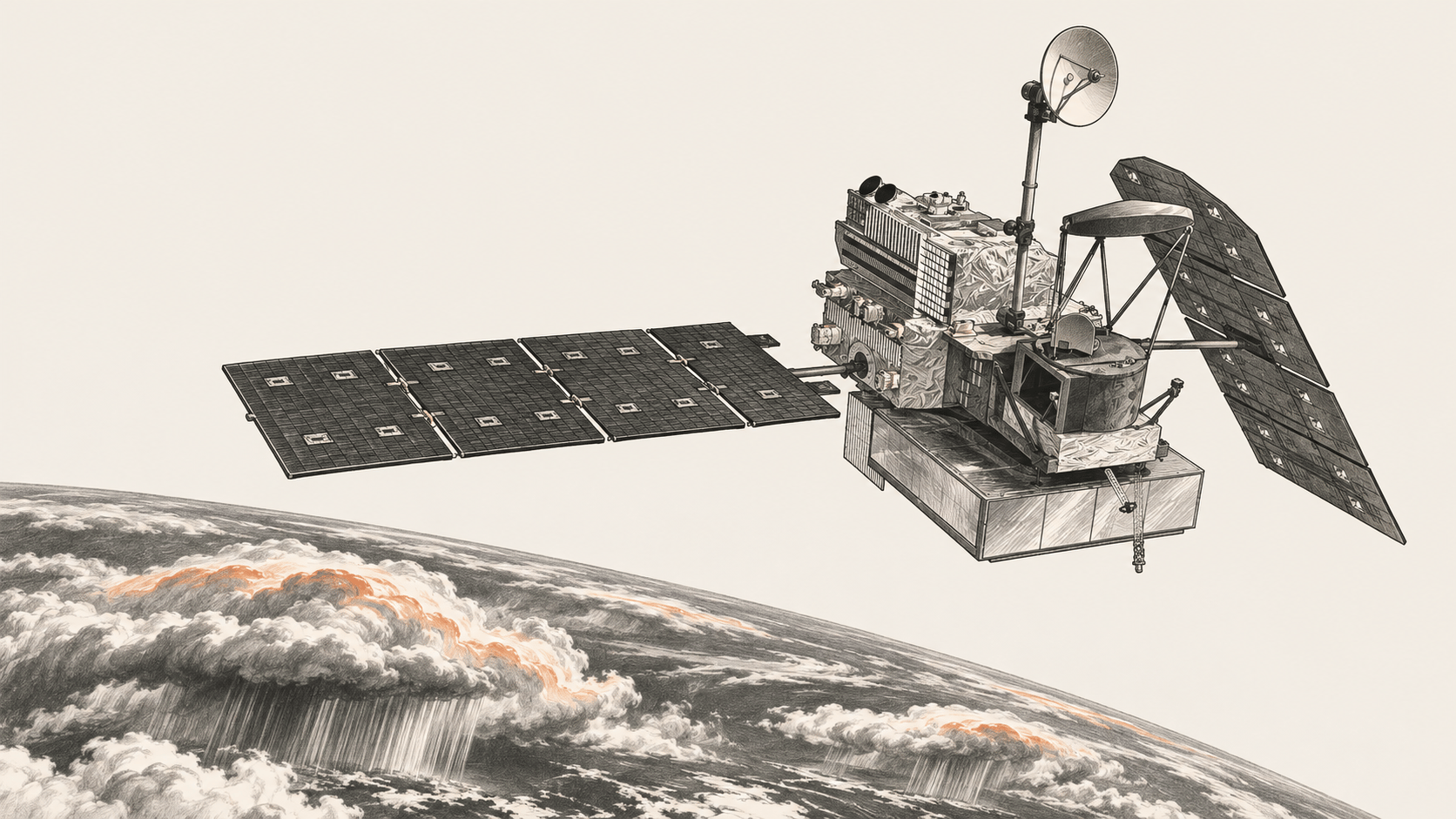
PARDIG-NRT estimates past precipitation at 15-minute intervals, not future rainfall. Publication occurs every six hours with roughly two to eight hours' latency, rather than instantly.

Satellite measurements need interpretation. NASA explains that radar reflections and microwave radiation are converted into precipitation information by algorithms; the sensors do not directly count rainfall reaching every location.

Data frequency and delivery delay answer different questions. NASA's existing IMERG products illustrate why a researcher studying a completed storm may choose a different version from someone needing recent observations.

Read the full story
—
Back to the briefing
Original story: news

OpenAI presents Daybreak tools for testing and fixes

Security workflows pair application testing with proposed patches.

The big change

OpenAI offers Red Team in early access to investigate web applications and validate reported weaknesses. Defense Factory prepares patches for engineers to review and test before merging.

The setup guide makes scan coverage a practical decision: users can select a repository or particular paths. A finding from one area cannot establish that the whole application was examined.

Defense Factory predates this presentation. OpenAI's October account of Block described an automated proposed patch in 18 minutes, with people guiding the work and deploying changes; that is not a general performance guarantee.

Read the full story
—
Back to the briefing
Original story: news

Natera reports AI lab-equipment triage

A case study separates response coverage from accuracy.

The big change

SWARM turns Jira tickets, manuals and past cases into suggested causes and ranked steps. Engineers can ask follow-up questions; they still investigate and repair equipment.

Response time, coverage and accuracy answer different questions. An evaluation needs to specify both the event that stops its clock and the cases included in its calculation.

Equipment records have a separate role in laboratory quality management. The WHO handbook calls for documenting faults, corrective actions and return-to-use dates, so the investigation has a traceable history.

Read the full story
—
Back to the briefing
Follow-up story: news

OpenShell moves toward community governance at CNCF

NVIDIA contributes its agent runtime; Cedar remains in development.

The big change

NVIDIA will continue engineering as OpenShell moves to the ai-openshell organization. The joint announcement plans working groups and invites contributions to isolation, logging and integrations.

OpenShell is adopting Cedar for authorization policies. NVIDIA's November 9 note limits Cedar to development builds: stable builds reject it, and integration remains under review.

A policy narrows what a tool may request, but operators must choose appropriate permissions and check their deployment. A rule only enforces the boundary it expresses.

Read the full story
—
Back to the briefing