Indiana coalition asks Microsoft to make data-center benefits binding
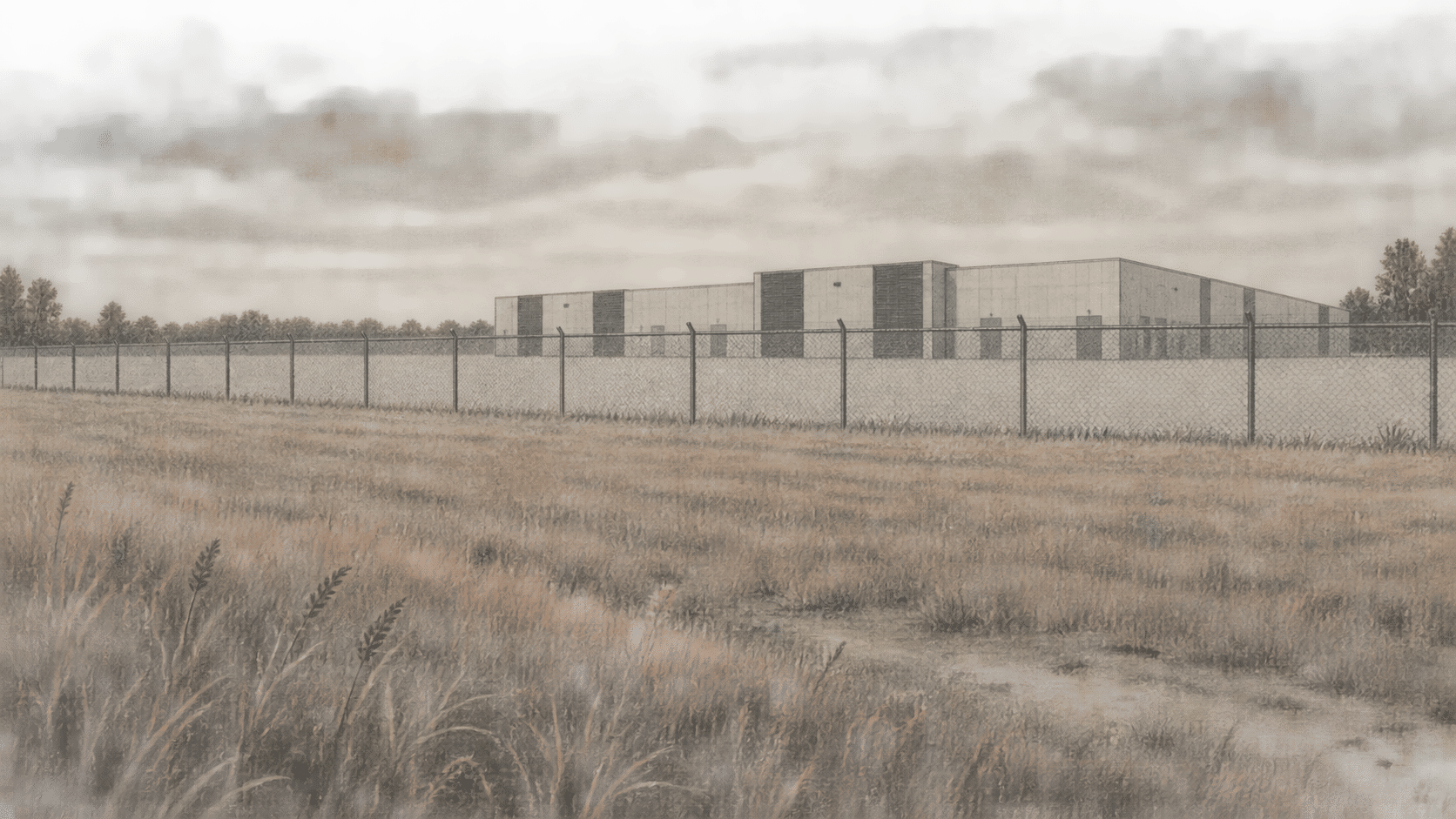
We Make Indiana seeks a binding community fund and safeguards for Microsoft's Granger data center. Microsoft says local investment decisions have not been made.
Explore BIG CHANGE reporting on AI Industry & Strategy: what changed, how it works and why it matters.
We Make Indiana seeks a binding community fund and safeguards for Microsoft's Granger data center. Microsoft says local investment decisions have not been made.
At Fellows Forum, Boris Power estimated that 80–90% of OpenAI research targets later GPT generations. The figure is his view, without a published allocation breakdown or GPT-7/8 roadmap.
The introduced Sanders–Casar bill proposes a temporary pause for advanced models and prohibitions covering superintelligence, listed precursor capabilities and systems foreseeably modifiable to produce them. It is not law.
A reported proposal would give Anthropic’s seven co-founders 50.1% of most shareholder votes. Its existing independent Trust has separate board powers, and final IPO rights remain undisclosed.
Vercel's AI Gateway says open-weight models accounted for 56% of August token volume and 14% of list-price-estimated spend in its traffic. The split is not market-wide or an invoice total.
Six Democratic officials have taken different routes on AI oversight, data-center construction and worker support. State orders are in effect; federal measures remain proposals.
Oxford says its Bodleian digitisation pilot contributes training data to OpenAI. Public project records detail scanning and transcription, but not the material or models involved.
A 2-to-1 appeals ruling sustains the Pentagon's exclusion of Claude. Its legal basis differs from the designation Anthropic defeated in California.
Bloomberg and Reuters report that Oracle sent a force majeure notice concerning Project Jupiter’s power supply. Oracle says the New Mexico AI data centre remains on schedule; public permit records show a pipeline setback but do not settle the contract or completion date.
The Washington Sun reports billions in 2026 NSA AI model testing spending, citing two anonymous sources. A public CBO estimate covers a proposed NIST center, not the NSA's current costs.
June congressional requests and a September DOJ warning show official concern about foreign influence, without a finding against ordinary AI opponents.
China's official records recognize frontier-model risks. Its diplomats reject competitive framing, a distinction that matters when assessing calls to slow AI.
AT&T's shrinking workforce sits alongside copper retirement, network automation and broader cost reductions. The reviewed records do not separate their employment effects.
Nscale discloses a wide gap between active and contracted compute, with financing and delivery separating signed demand from service.
Snorkel’s new funding backs simulated workplaces where AI agents can practice using company tools, rules and records, while their actions and outcomes are scored.
Siri AI is rolling out, while eligible US iPhone buyers can seek compensation over earlier expectations. The settlement separates present availability from the purchase dispute.
Eight models, four tiers: compare intelligence scores, API prices and measured task costs for the latest OpenAI and Claude releases.
Reported offboardings over prohibited AI use expose a larger business problem: companies must distinguish AI-assisted production from the independent human judgment they intend to buy.