Siri AI has arrived. Apple's $250 million settlement is still open
Siri AI is rolling out, while eligible US iPhone buyers can seek compensation over earlier expectations. The settlement separates present availability from the purchase dispute.
Explore BIG CHANGE reporting on AI Industry & Strategy: what changed, how it works and why it matters.
Siri AI is rolling out, while eligible US iPhone buyers can seek compensation over earlier expectations. The settlement separates present availability from the purchase dispute.
Eight models, four tiers: compare intelligence scores, API prices and measured task costs for the latest OpenAI and Claude releases.
Reported offboardings over prohibited AI use expose a larger business problem: companies must distinguish AI-assisted production from the independent human judgment they intend to buy.
Private AI discoveries raise a question about public power: who can inspect the evidence, choose the next research question and benefit from the answers? A look at release incentives, scientific understanding and human agency.
Two hypothetical services with UK processing illustrate how access, operational rights and the ability to change providers determine what local AI infrastructure lets a buyer do.
An analysis of the decisions between a safety flag and an external referral, and how oversight can examine both missed danger and unjustified intrusion.
Amazon's reported block of Meta's Muse separates a shopper's permission from a retailer's willingness to admit an agent. The consequences reach search coverage, checkout and customer support.
California's seven new data center laws address electricity costs, water information and local review. Their test comes when projected demand fails to materialize.
From the unit-distance disproof to Navier-Stokes, AI mathematics is advancing through new results, human follow-ons and formal proofs. What has really changed?
Grok 4.7’s launch promises stronger coding and office work. We examine Matthew Berman’s coverage, independent tests and what teams should measure before switching.
Meta’s Muse can act across services, and Zuckerberg expects it to help users earn and save money. We examine the launch, proposed fees and evidence behind that bet.
AI agents have crossed real security boundaries. Better defenses offer hope, but the next test is who can authorize, stop and answer for their actions.
TypeSafe CEO Diogo Almeida argues for AI built around small decisions inside software. We examine Jev’s launch, its limits and what would prove a meaningful change.
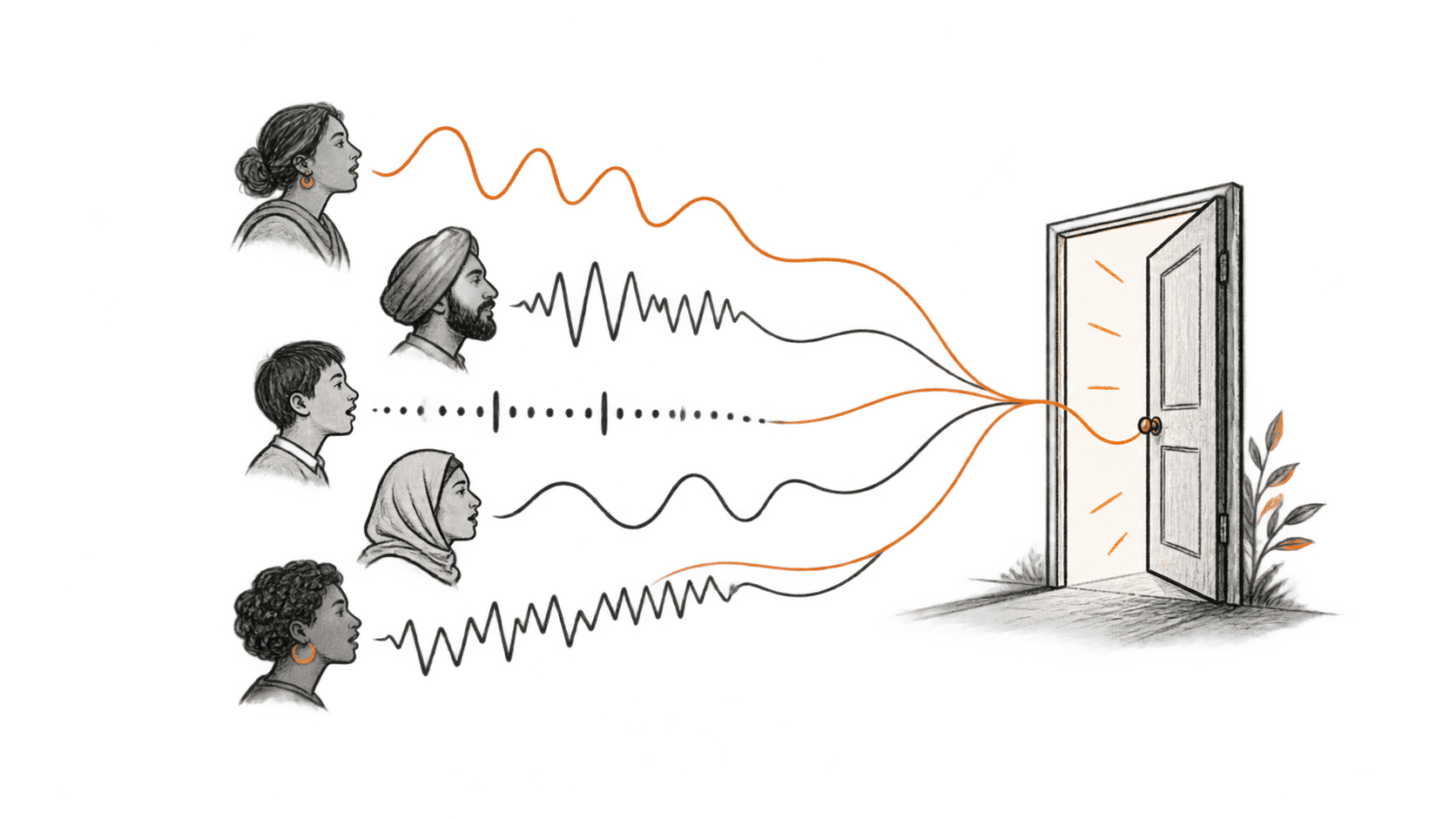
A new language-access effort raises a practical question: can AI complete useful tasks for people whose speech it has struggled to understand?