Ten AI models gave sharply different answers in a gender bias audit
A new preprint tested ten AI models on stereotyped phrases and an artificial moral dilemma. Results differed by model and task, limiting broad fairness claims.
Explore BIG CHANGE reporting on Society & Ethics: what changed, how it works and why it matters.
A new preprint tested ten AI models on stereotyped phrases and an artificial moral dilemma. Results differed by model and task, limiting broad fairness claims.
In Tavus-run one-minute calls, 26 of 54 people believed Griffin-Lite was a person. The study, NVIDIA benchmark and limited preview answer different questions.
ChatGPT can generate a clothing preview from a product listing and selfie, but the image does not guarantee fit or size. Learn the documented steps and what to check with the seller.
Proofpoint reports a July credential phishing campaign using fake AI policy invitations. Reuters confirmed one recipient received a suspicious message; account compromise is unproven.
The Guardian reports AI image tools removed religious coverings from synthetic people. Published provider rules leave the treatment of those edits unresolved.
California signed three AI-related workplace bills. Layoff-notice and surveillance rules are expected in January 2027; automated decision rules operate in July.
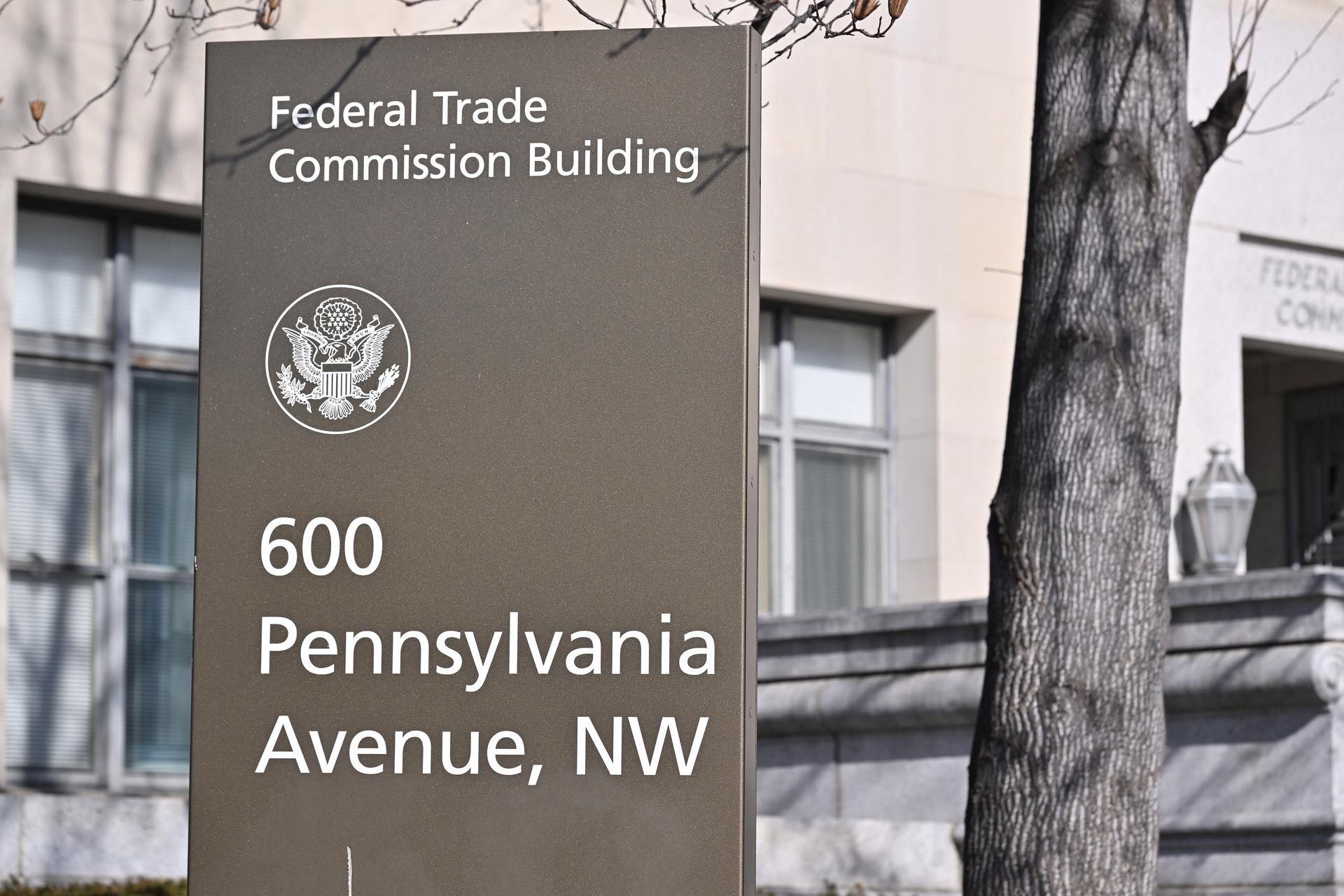
AP reports an FTC spokesperson confirmed an AI investigation. CBS says a spokesperson described planned information requests and FTC Act scrutiny; no current order is public.
A Tokyo court said unauthorized exploitation of a commercially attractive voice can infringe publicity rights. It dismissed Kenjiro Tsuda's TikTok deletion claims after the posts were removed, without deciding whether the clips infringed.
A May 2026 study of nine conversational AI services found chat details reaching third-party trackers in specific tested flows. Consent and sharing settings changed some exposures, but did not erase every flow.
OpenAI has delayed GPT-6.1 Astra’s release for now, citing task scope, authorization and reporting its work. Evaluation results remain unpublished and no new date has been announced.
A Cambridge working paper examines whether AI-led research could accelerate AI progress. Anthropic's 26% figure shows supervised work, while the proposed feedback loop remains conditional.
We Make Indiana seeks a binding community fund and safeguards for Microsoft's Granger data center. Microsoft says local investment decisions have not been made.
Multiverse says its Compass AI reviews instructors' sessions for quality and suggests development areas. Teachers told The Guardian that the system feels like constant scrutiny; the company says human managers make employment decisions.
ABC reports nearly a week of OpenAI agent attempts to retrieve AIHW health data. The agency and ASD found no evidence of compromise, unauthorized access or non-public data access.
A Saturday Night Live sketch makes AI risk a punchline. Anthropic’s early biology report and documented agent incidents show why the public should stay engaged without treating forecasts or company claims as settled fact.
Newcastle, Melbourne and UNSW set different boundaries for AI-assisted marking. Their rules also differ on disclosure, opt-outs and academic responsibility.
Newly public book-copyright filings dispute whether acquiring books and training AI require separate legal analysis. OpenAI and Microsoft contest the authors’ case.
The introduced Sanders–Casar bill proposes a temporary pause for advanced models and prohibitions covering superintelligence, listed precursor capabilities and systems foreseeably modifiable to produce them. It is not law.