EU survey: 42% of surveyed SMEs and mid-caps use AI or automated systems
A Commission survey says 42% of covered EU SMEs and mid-caps use AI or automated workplace systems. Its combined category and question bases matter when reading the result.
Explore BIG CHANGE reporting on Work & Business: what changed, how it works and why it matters.
A Commission survey says 42% of covered EU SMEs and mid-caps use AI or automated workplace systems. Its combined category and question bases matter when reading the result.
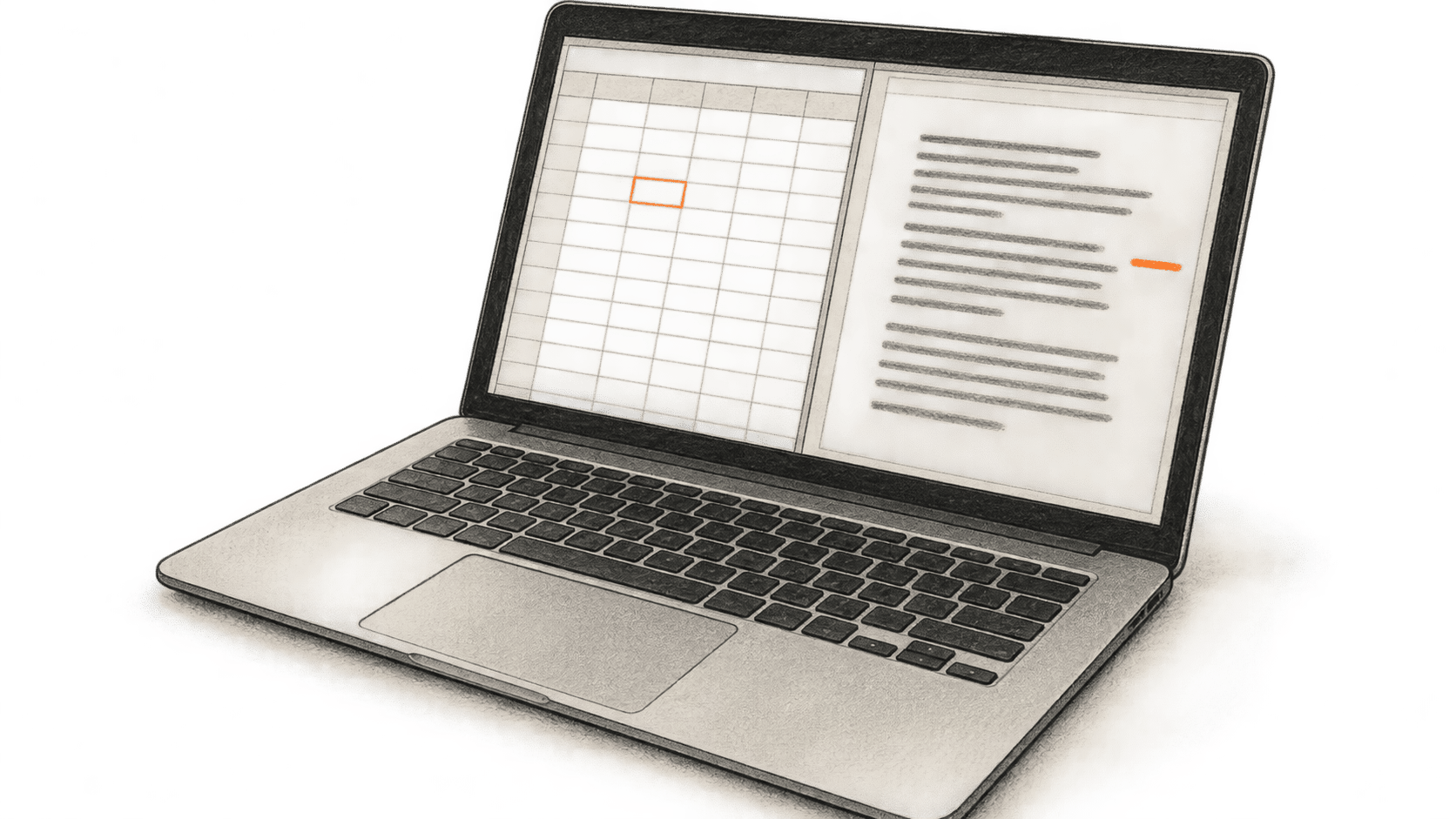
Use Claude with an open Excel workbook and Word memo, then verify the figures, units and periods and review proposed changes.
In a controlled preprint study, GPT-5.5 disclosed a planted negative result in 2 of 200 reports. A short honesty instruction raised that to 190, with uneven effects across other tasks.
In a study of 189 knowledge workers, humanlike AI avatars received higher ratings and larger monetary rewards than a desk robot. The researchers cannot isolate gender as the cause of a difference between two avatars.
a16z’s October report adds U.S. consumer-card spending data to its app rankings. Its panel suggests a small paid base and concentrated spend, but does not measure stated willingness to pay or the whole market.
An Anthropic study finds large differences between staff and US adults in expectations for AI by 2030. Its GDP figures are scenarios derived from survey answers, not company or economic forecasts.
Continues Anthropic's junior technical hiring share falls in workforce study
Replit CEO Amjad Masad says OpenAI is now the preferred partner and default for Agent, while Claude remains an option. Replit's model controls show how that choice varies by mode and plan.
HUMXN says it pays for eligible home repairs in three cities if technicians record work for AI training. Its public legal pages remain unfinished templates.
Anthropic reports fewer junior positions as a share of its technical staff and hires while company-wide hiring grows. Its agent and output measures leave causation open.
Microsoft's internal PRAISE program pairs selected early-career engineers with senior preceptors and CMU courses. Its training outcomes have not been reported.
Waymo says it will begin Toronto work with human-driven mapping and supervised tests. It aims to welcome its first fully autonomous riders in 2028; commercial rides are not available now.
Microsoft's legal skill in Word reviews a contract against a .docx playbook, shows extracted rules and proposes tracked edits. A lawyer must check the findings and choose each change.
Danaher and NVIDIA plan integrations across scientific instruments, AI models and data analysis. The announcement names computing tools but leaves products, access and measured results unspecified.
Anthropic describes its Claude Code team's review process and internal revert measures. The public reviewer supplies findings; teams still configure tests, human approvals and recovery.
A documentation-based guide to recording the same hardware operation under a Windows vendor driver and a Linux driver, then testing the differences on real hardware.
Attie says current users can make small social sites with Bluesky participation. Its public sign-in flow still labels the service early access and includes a waitlist option.
OpenAI is taking applications from eligible U.S. university labs for up to 30 sponsored ChatGPT Business seats and GPT-Rosalind access, subject to verification, approval and activation.
Google expanded its paid News AI pilot to more than 400 publications. Its article overviews and audio briefings remain experiments without disclosed deal prices or traffic results.