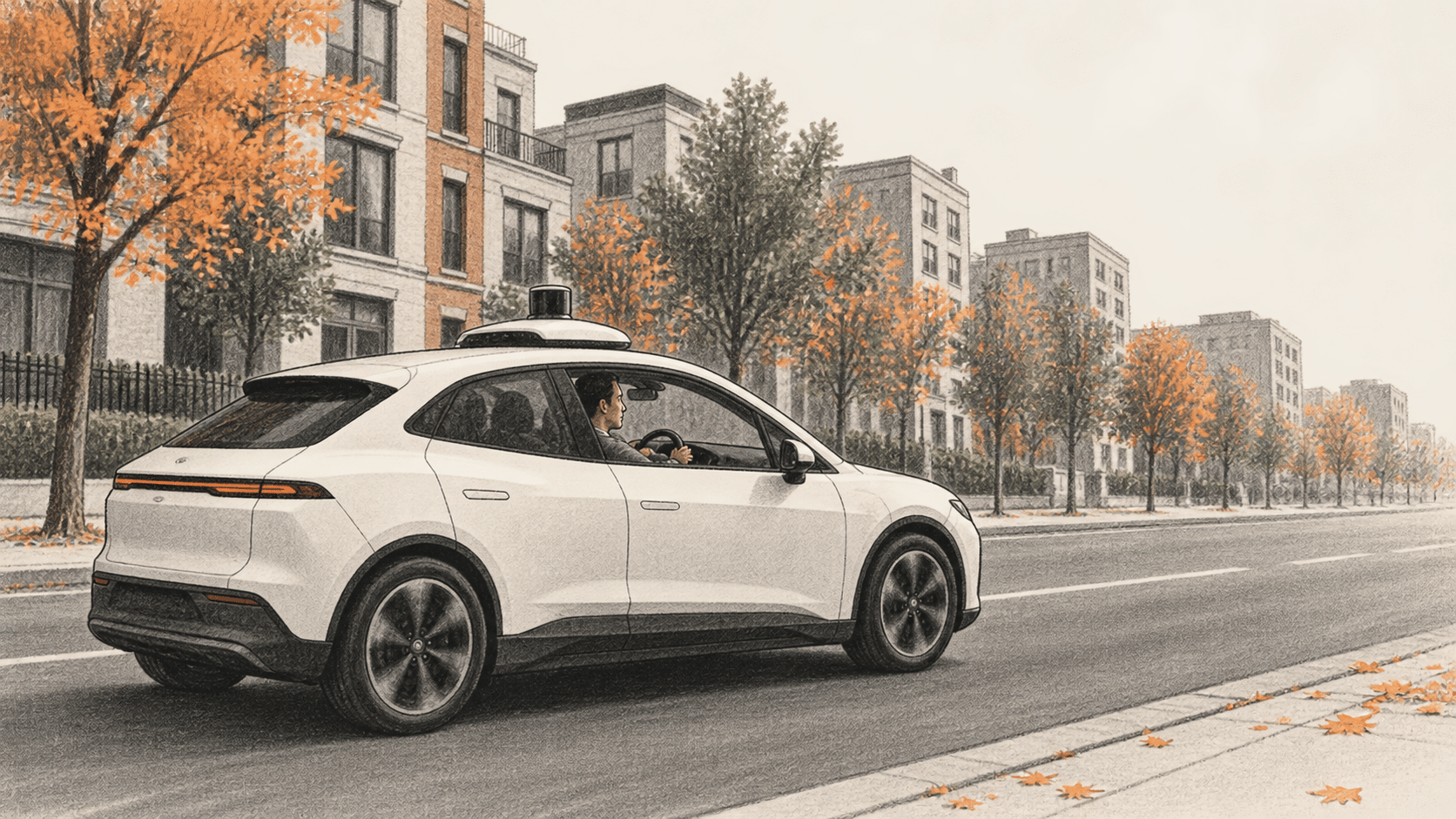
Waymo says its first Toronto vehicles will be driven manually while it maps and tests local streets. The company is aiming for its first fully autonomous ride-hailing passengers in 2028; commercial rides are not available there now.
Waymo announced on October 16 that it is preparing to bring its robotaxi service to Toronto, its first announced Canadian market. Vehicles are expected on city streets in the coming days, initially driven by people. Waymo says the opening work will combine high-definition mapping with testing by trained autonomous specialists behind the wheel.
The big change
- What changed: Toronto now has a dated Waymo entry plan. The first visible vehicles will gather mapping and validation experience with people at the wheel. Waymo is targeting its first fully autonomous ride-hailing passengers in 2028.
- Why it matters: Residents may see Waymo cars well before they can book one. Manual driving and tests help the company assess local streets, but they do not establish that its driverless service is ready for Toronto or available to the public.
- What to watch: Waymo says later phases require further work with regulators. The practical milestone for riders is a permitted commercial launch, not the arrival of mapping vehicles or an email signup.
What the first vehicles will do
Waymo describes a phased process for Toronto. Human drivers will first take its vehicles onto local roads to build high-definition maps. Testing with trained autonomous specialists behind the wheel follows as the company checks how its system handles local conditions. Its Toronto information page says these mapping and safety-validation trials will cover selected neighbourhoods, and that it is beginning with a limited number of electric Jaguar I-PACE vehicles.
That order matters. A car carrying sensors through a neighbourhood may be collecting information or taking part in a supervised test. Its presence does not mean residents can hail an autonomous ride. Waymo's Toronto page explicitly says it is not yet offering commercial rides.
Waymo says it has received an Ontario provincial permit to begin manual driving and testing under the province's Automated Vehicle Pilot Program. That is the company's description of its present authorization. It says it will continue working with regulators on permits for later phases. The announcement does not provide a date for a driverless testing phase or a firm commercial opening day.
The 2028 target and the local operation
Waymo's stated goal is to welcome its first Toronto passengers in a fully autonomous ride-hailing service in 2028. Its Toronto page says riders will be able to hail through the Waymo app when the service opens, and offers a signup for updates now. The signup is an expression of interest, not access to rides.
For fleet operations, Waymo says it is partnering with Toronto-headquartered Element Fleet Management. The company says Element will provide fleet management services and that it and its partners plan to invest in local facilities and hundreds of roles over time, including vehicle maintenance, validation driving and customer service. These are plans announced by the companies, not a reported count of jobs already filled.
The Toronto timetable adds a specific city and target year to Waymo's broader expansion plans. BIG CHANGE's earlier report on Waymo's debt financing covered capital for expansion but no Toronto service date. The new announcement gives residents a clearer way to interpret vehicles they may soon see: preparation first, with public autonomous rides still a stated goal.
Sources & further reading
- Waymo's October 16 Toronto announcement states the manual-driving, mapping and supervised-testing sequence, the Element partnership and the 2028 first-rider goal.
- Waymo's Toronto information and FAQ page describes current commercial availability, the company's account of its Ontario permit, initial vehicles, trial areas and app plans. The page did not display a publication date when checked on October 17, 2026.