analysis
Senators seek military AI inquiry after reported errors
A Senate request raises questions about military intelligence. The White House's June policy sets current testing requirements; its implementation is a separate oversight question.
Explore our reporting on how AI and robotics change work, business and the world.
A Senate request raises questions about military intelligence. The White House's June policy sets current testing requirements; its implementation is a separate oversight question.
Britain proposes a centre for hostile-state information attacks, though NSOIT already covers similar risks and Parliament has questioned ownership and scrutiny.
New skill evaluators separate loading, selection and instruction following. Their missing-result behavior shows why teams must treat evaluation coverage as evidence of its own.
Google CC adds shared household planning with member-selected inputs.
Rabbit OS3 works in a browser without an r1. Model billing, cloud processing and technical-preview terms shape what connecting your computer means.
Union Alpha’s free preview became Unbiased Pareto. Here is the current OpenCode setup, paid pricing, maker, performance evidence and data-policy caveat.
Nscale discloses a wide gap between active and contracted compute, with financing and delivery separating signed demand from service.
Snorkel’s new funding backs simulated workplaces where AI agents can practice using company tools, rules and records, while their actions and outcomes are scored.
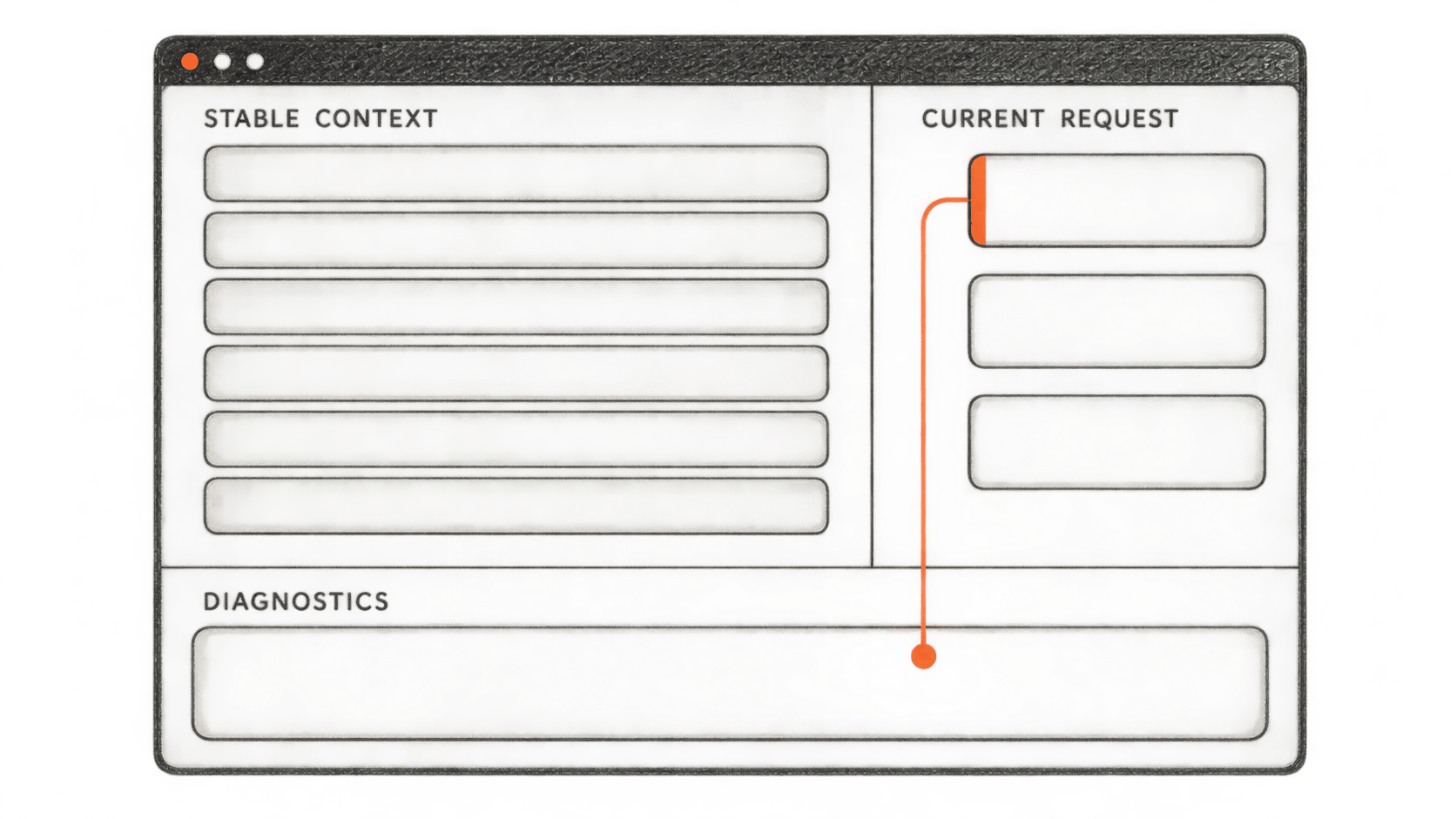
OpenAI adds a cache dashboard, diagnostics and explicit breakpoints to help developers trace repeated input costs and control which context gets cached.
Siri AI is rolling out, while eligible US iPhone buyers can seek compensation over earlier expectations. The settlement separates present availability from the purchase dispute.
Eight models, four tiers: compare intelligence scores, API prices and measured task costs for the latest OpenAI and Claude releases.
A student's complaint about a reportedly AI-altered Stanford image raises questions about permission and accurate representation under the university's published rules.
Reported offboardings over prohibited AI use expose a larger business problem: companies must distinguish AI-assisted production from the independent human judgment they intend to buy.
Anthropic's Opus 5.5 lowers token prices and targets supervised enterprise work below Fable 5.1, while API clients face breaking thinking and tool changes, plus conditional fallback.
A coding task can be complete before its author understands the system. Two experiments point to a practical question for teams: how will junior developers learn to explain, diagnose and adapt AI-assisted work?
An AI-assisted Enigma recovery connects archival clues with a search others can inspect. The case offers practical lessons for research with agents.
Private AI discoveries raise a question about public power: who can inspect the evidence, choose the next research question and benefit from the answers? A look at release incentives, scientific understanding and human agency.
AutoScheduler’s announced app builder raises a practical question for warehouse teams: how can a local tool identify replenishment problems while respecting existing work, stock constraints and authority to act?