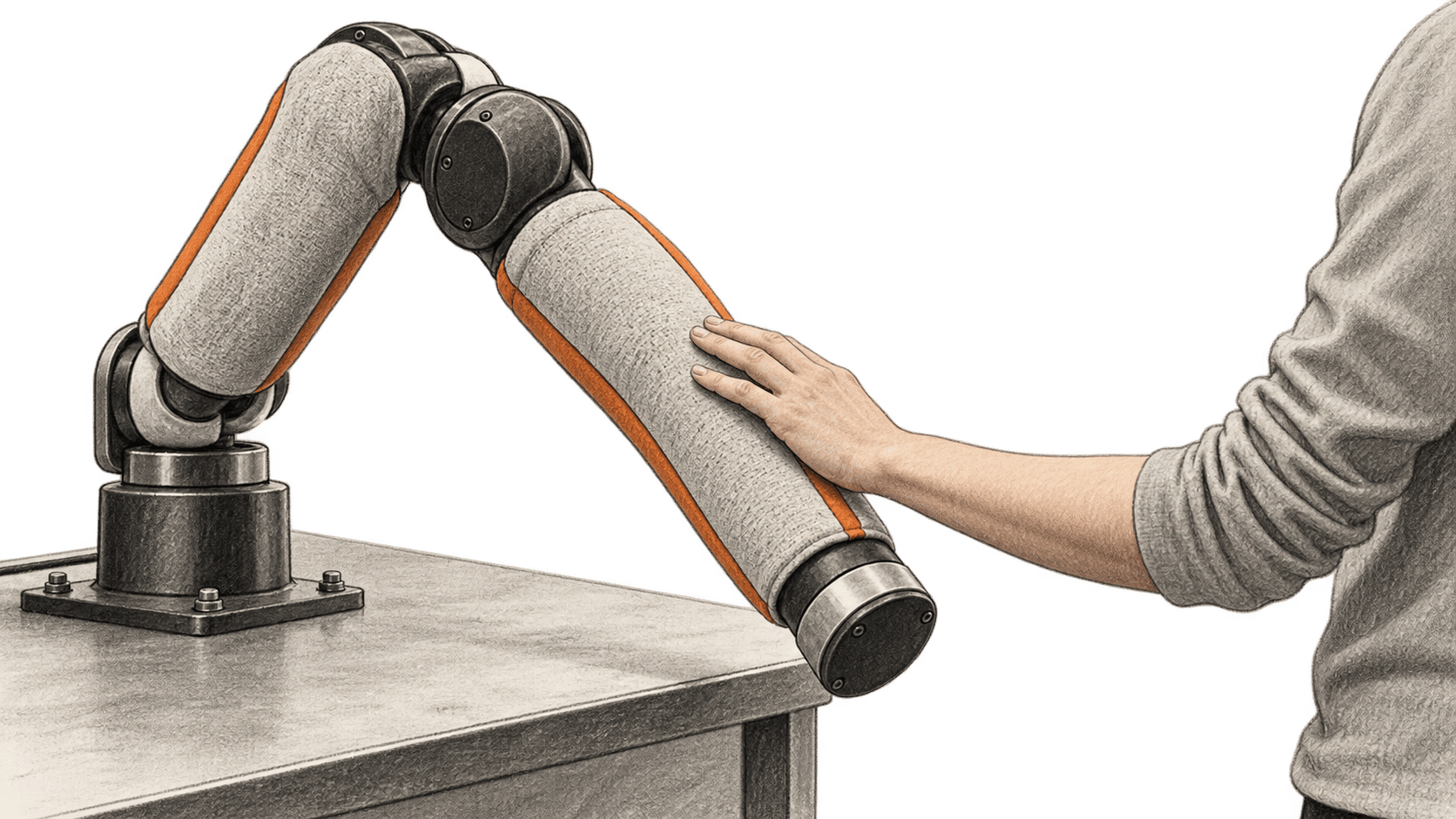
In a study of 189 knowledge workers, humanlike AI avatars received higher ratings and larger monetary rewards than a desk robot. The researchers cannot isolate gender as the cause of a difference between two avatars.
a16z’s October report adds U.S. consumer-card spending data to its app rankings. Its panel suggests a small paid base and concentrated spend, but does not measure stated willingness to pay or the whole market.
An Anthropic study finds large differences between staff and US adults in expectations for AI by 2030. Its GDP figures are scenarios derived from survey answers, not company or economic forecasts.
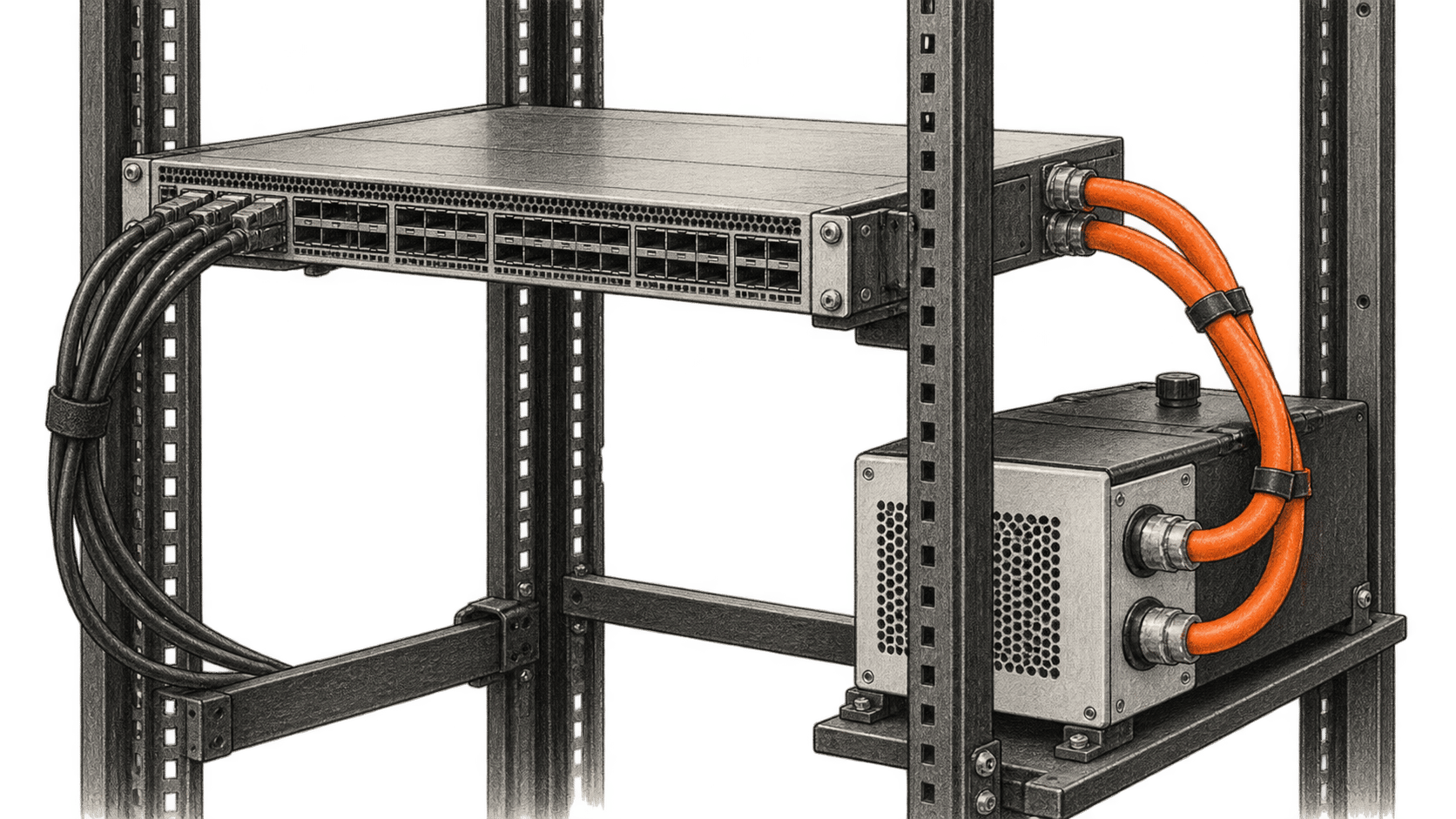
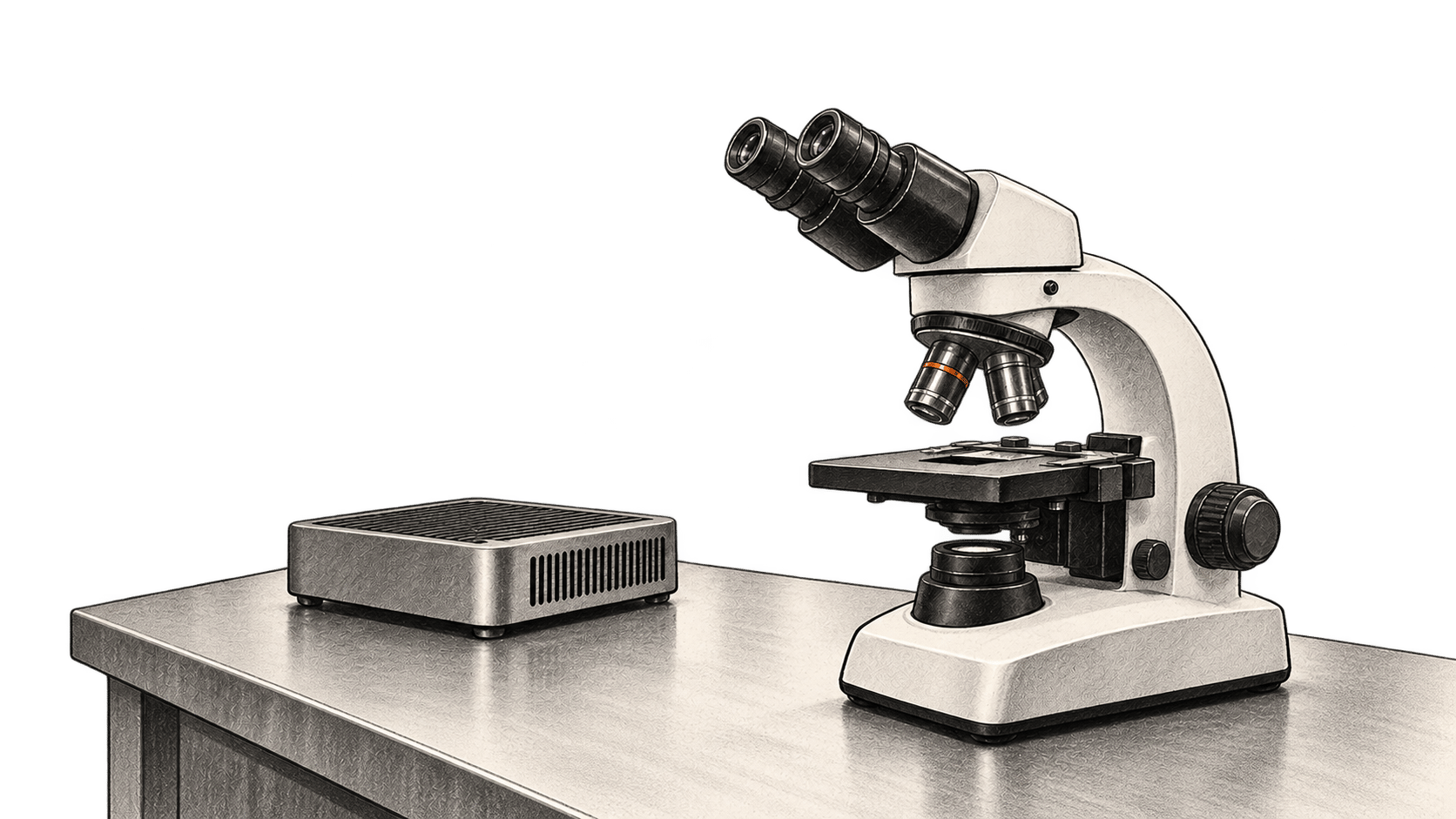
UfiSpace demonstrated an early-access 102.4 Tbps switch with liquid cooling at OCP. The public material establishes a live demo, not a deployed or independently measured data-center system.
Replit CEO Amjad Masad says OpenAI is now the preferred partner and default for Agent, while Claude remains an option. Replit's model controls show how that choice varies by mode and plan.
Black Forest Labs has released FLUX 3 Image Klein weights and a hosted API. Its model package, runtime memory and commercial permissions differ in ways teams need to check.
Anthropic reports fewer junior positions as a share of its technical staff and hires while company-wide hiring grows. Its agent and output measures leave causation open.
DeepSeek's October 17 release changes the model behind deepseek-flash and opens separate web Search and Fetch APIs. The benchmark gains remain company-reported.
StudentSim compares AI student simulators with learner records and tests responses to guided corrections. Its chess tutor study rates advice, not learning gains in real students.
An author-reported benchmark follows AI agents through dependent bioinformatics tasks. Scores fall on later steps, while feedback improves results under limits.
An Anthropic and Harvard preprint uses Claude to propose quantum circuits and a separate evaluator to check them. Seven of eight tasks show lower estimated gate and qubit counts under the paper's comparisons.
QwenLM's BlenderWorld benchmark asks agents to submit native Blender projects. Its task rubrics and visual judges test different aspects of a 3D scene, with limits for real production use.
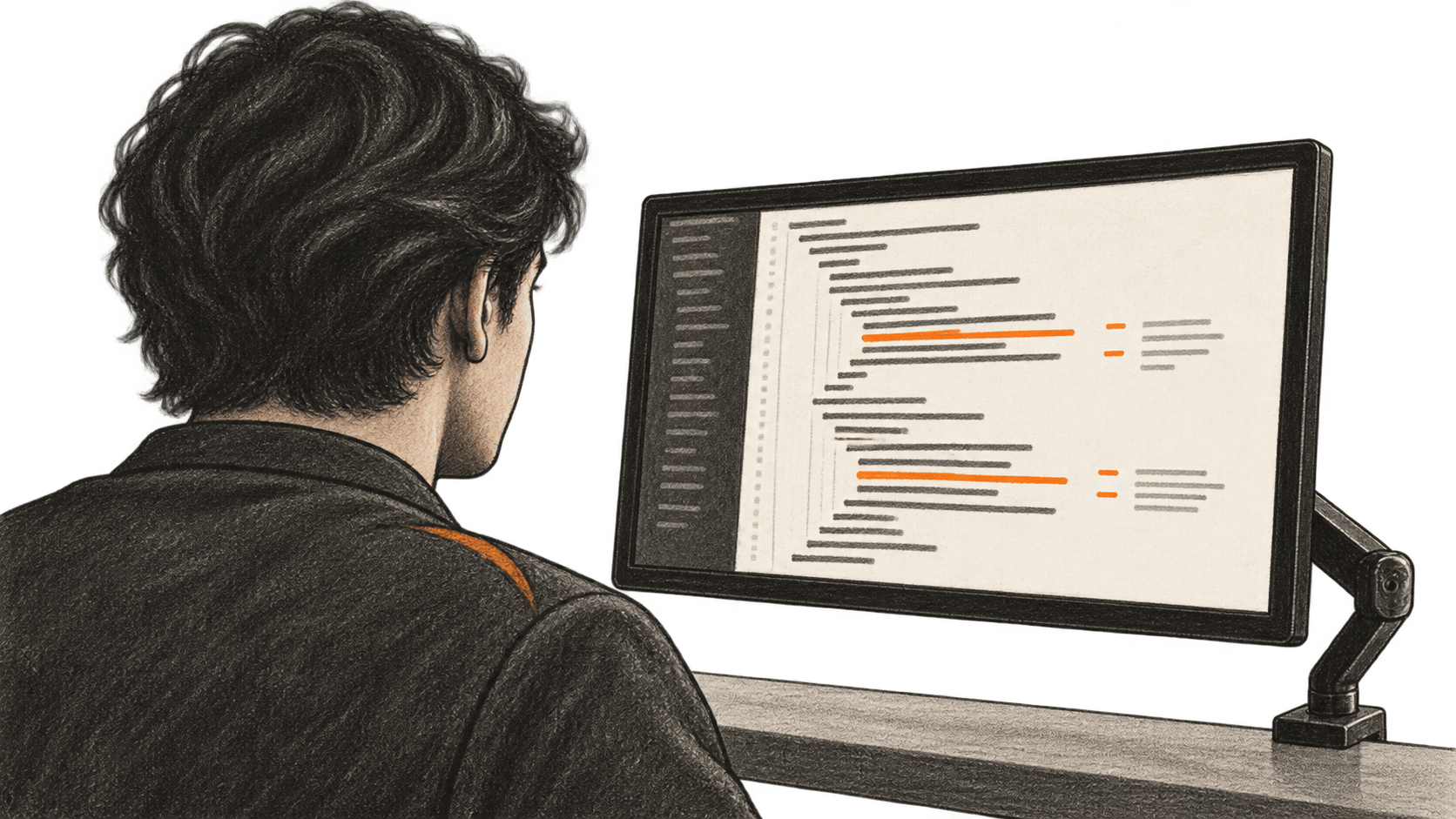
JetBrains has made Junie Local stable on supported Windows RTX hardware. Its CLI connects to a local model server, while developers still control repository access, commands and review.
Taiyo Yuden demonstrated a urine-odor sensor and AI pattern analysis at CEATEC. The reviewed sources do not establish clinical performance for its proposed examination prompt.
Danaher and NVIDIA plan integrations across scientific instruments, AI models and data analysis. The announcement names computing tools but leaves products, access and measured results unspecified.
Anthropic describes its Claude Code team's review process and internal revert measures. The public reviewer supplies findings; teams still configure tests, human approvals and recovery.
Apple's October 16 update explicitly covers AI-generated intimate imagery without consent, sets out moderation duties and clarifies its existing ban on hidden app features.
1,124
The BIG CHANGE newsletter
The big picture. At your pace.
Recent stories on AI and robotics, the shifts worth watching and practical ideas to use. Choose a daily briefing, weekly digest or monthly perspective.
Next scheduled send (UTC): . Your first edition arrives at the next scheduled send after you confirm.
Your privacy, your choice.
Necessary storage supports site security and remembers your choices. Optional Google Analytics stays off until you allow it. You can read every story with necessary storage only. Privacy details