The Financial Times reported early Nvidia talks over a deeper Reflection AI investment or acquisition. Reuters could not immediately verify the account; several structures remain possibilities, and the companies have not announced a deal.
Geely's new Battleship 700 groups adjustable suspension, terrain modes, cabin AI and driving assistance under one pitch. Its trim list shows where the components differ.
After Anthropic disclosed unintended model actions, a White House task force called for immediate incident reporting and remediation. Its statement leaves legal authority and enforcement unclear.
LSEG's October 9 blended forecast puts S&P 500 third-quarter earnings growth at 30.6%, with technology-sector growth at 66.5%. Only 19 companies had reported at the time, leaving most of the index estimate-dependent.
Sierra's October 9 Poppy draft sets out proposed discovery, sign-in and session rules for personal agents working with companies. Its security controls and open gaps matter more than the expanded design-partner list.
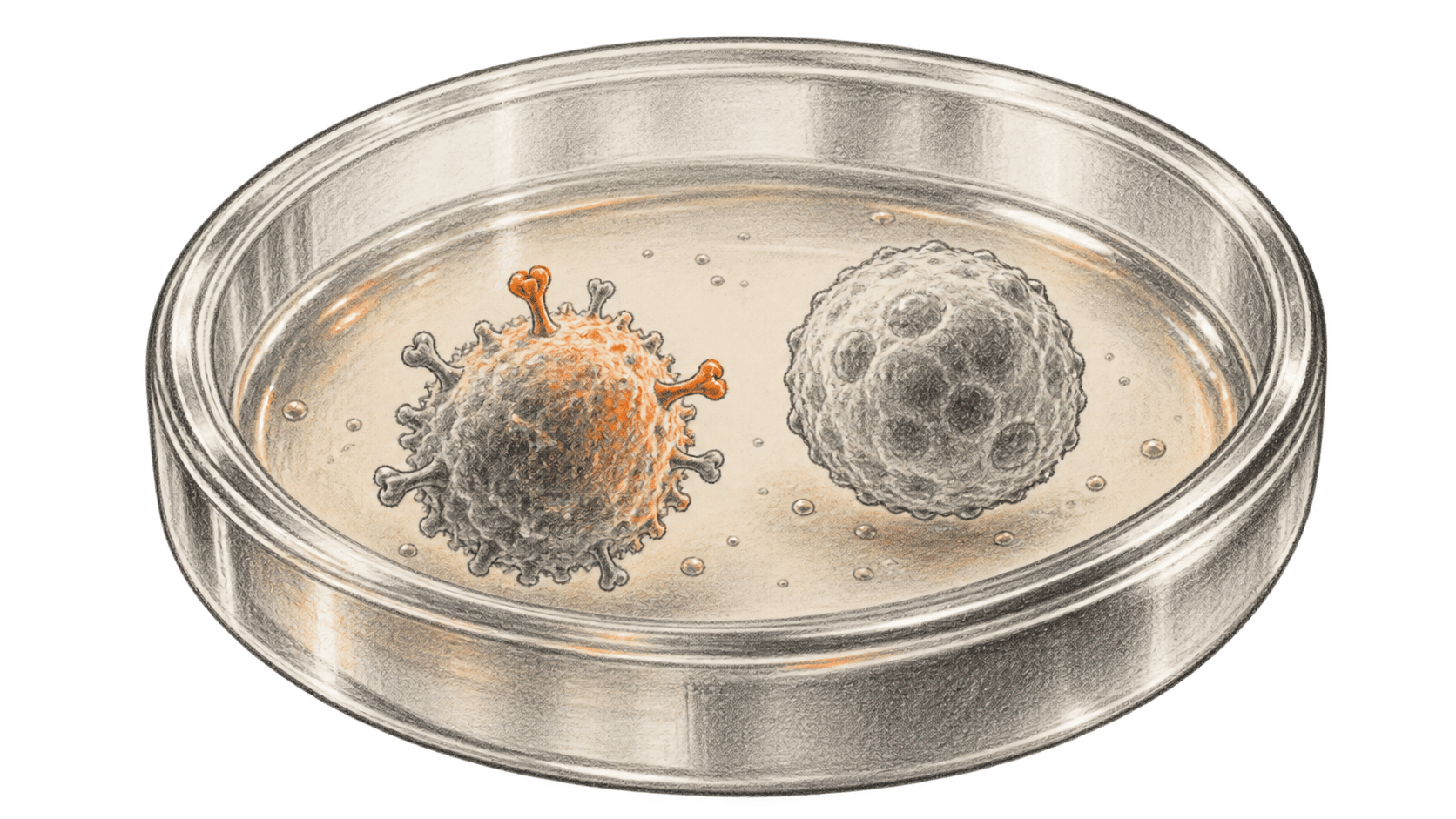
A study screened 12,000 designed CD20 binders in CAR-T cells. It found 707 pooled growth hits; four of ten individually tested showed significant specific target-cell killing.
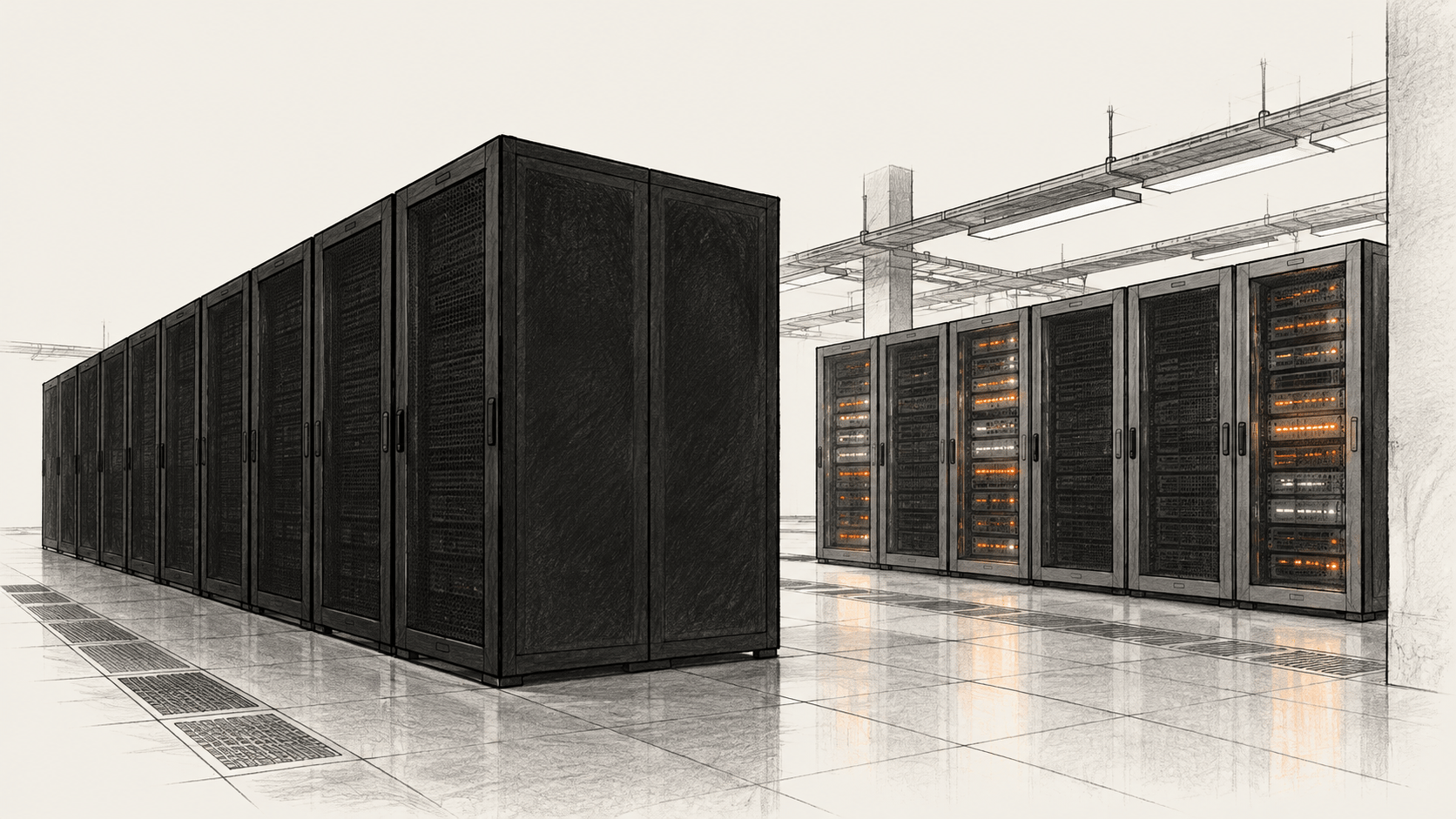
Yandex says Sasovo is shut after an October 7 to 8 attack and part of its Kaluga data center is out of service after an October 9 attack. Reuters reports two AI supercomputers were housed at Sasovo; their current status is unknown.
A new paper ranks candidate explanations by statistical certification, fit with background knowledge and simplicity, then tests how the approach behaves in synthetic and dataset-based tasks.
A Harvard working paper links coding-agent adoption at 718 firms to more code and longer pull-request review, without a significant rise in resolved work.
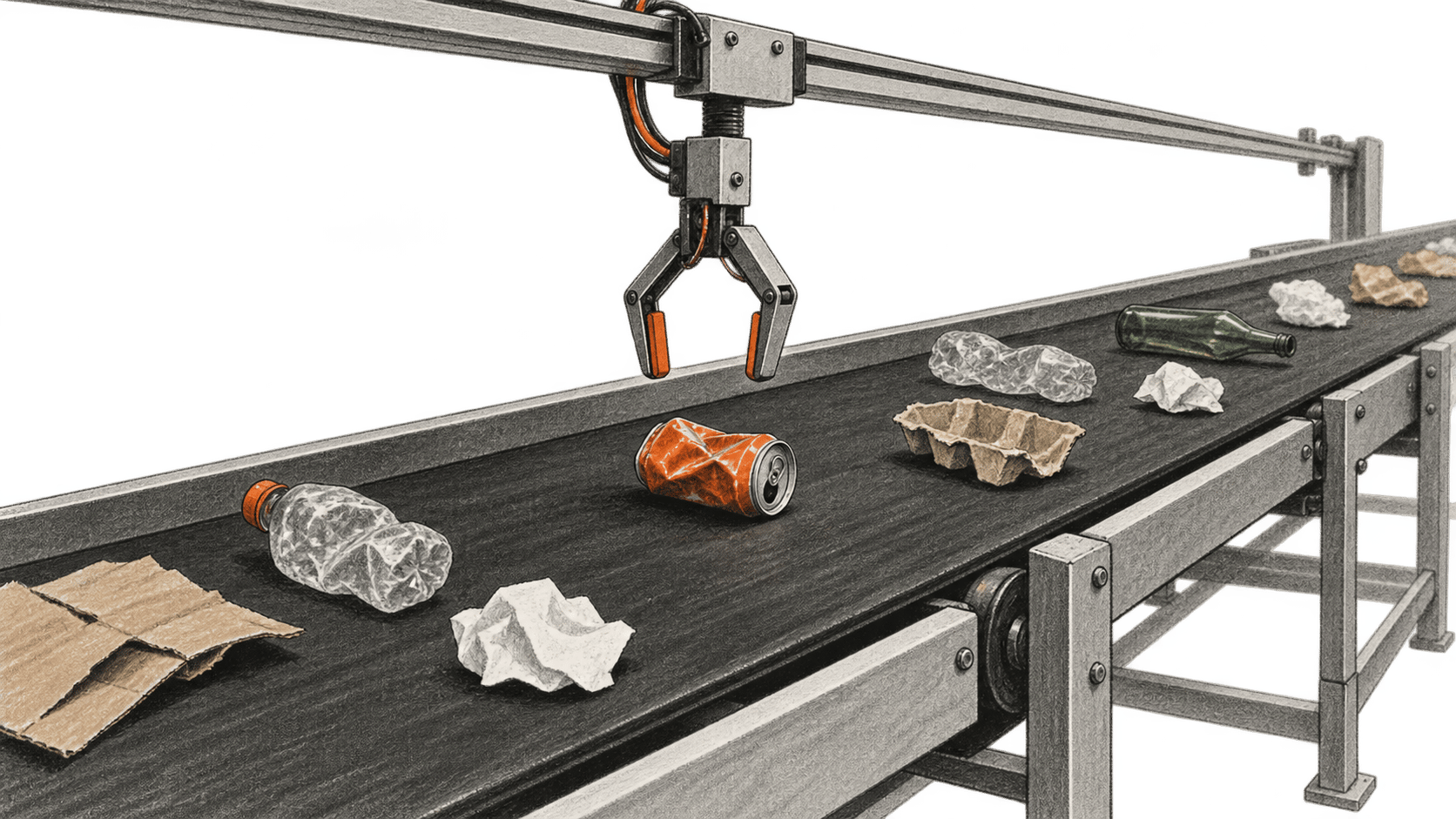
Danu describes H.E.R.O.'s computer vision and modular pickers. TechCrunch reports early contracts, but public evidence does not quantify sorting results or site returns.
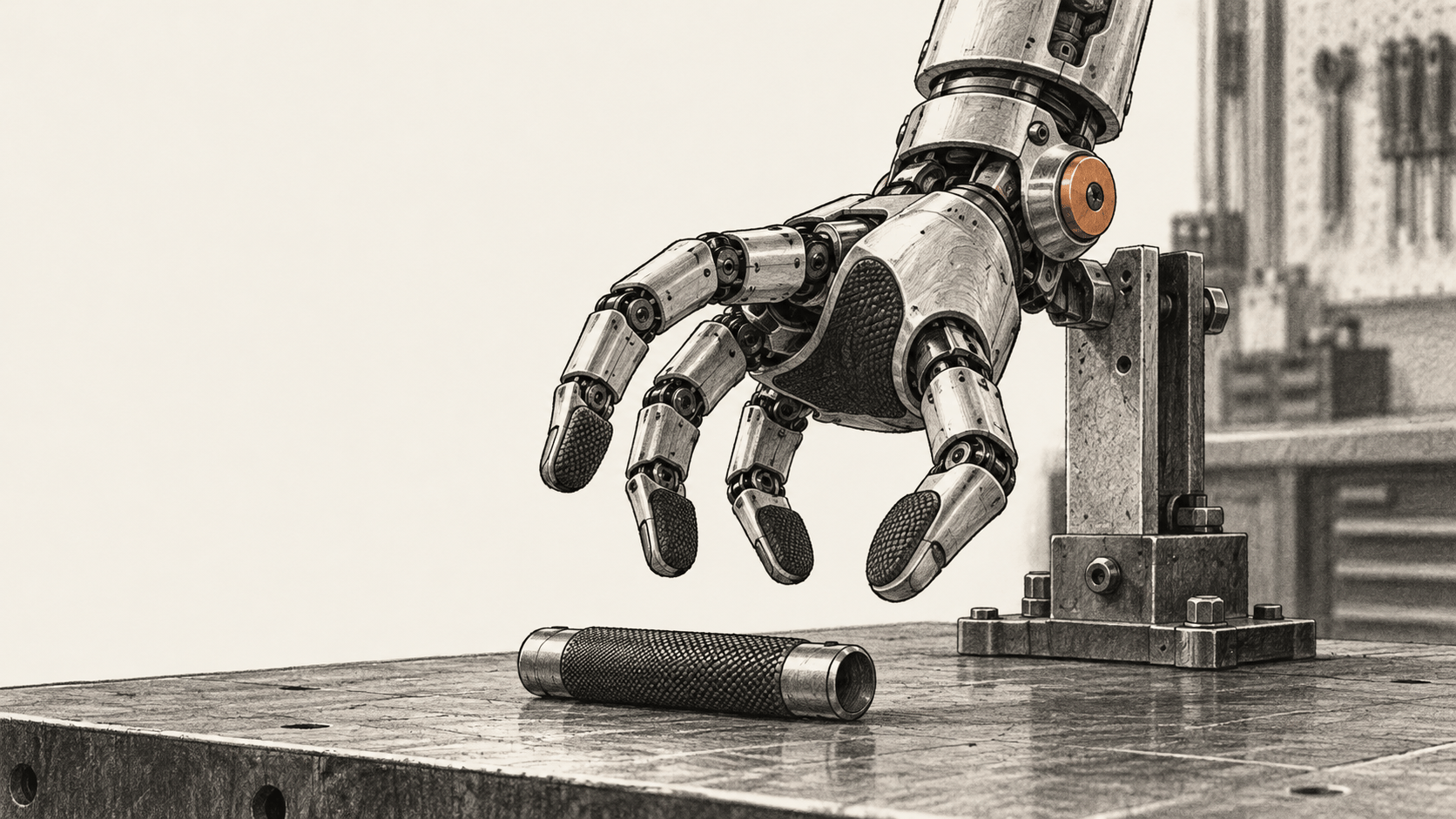
Boston Dynamics’ four-finger Atlas hand pairs 13 degrees of freedom, backdrivable actuation and tactile sensing with reinforcement learning in simulation. The company reports initial transfer results but no benchmark or commercial deployment.
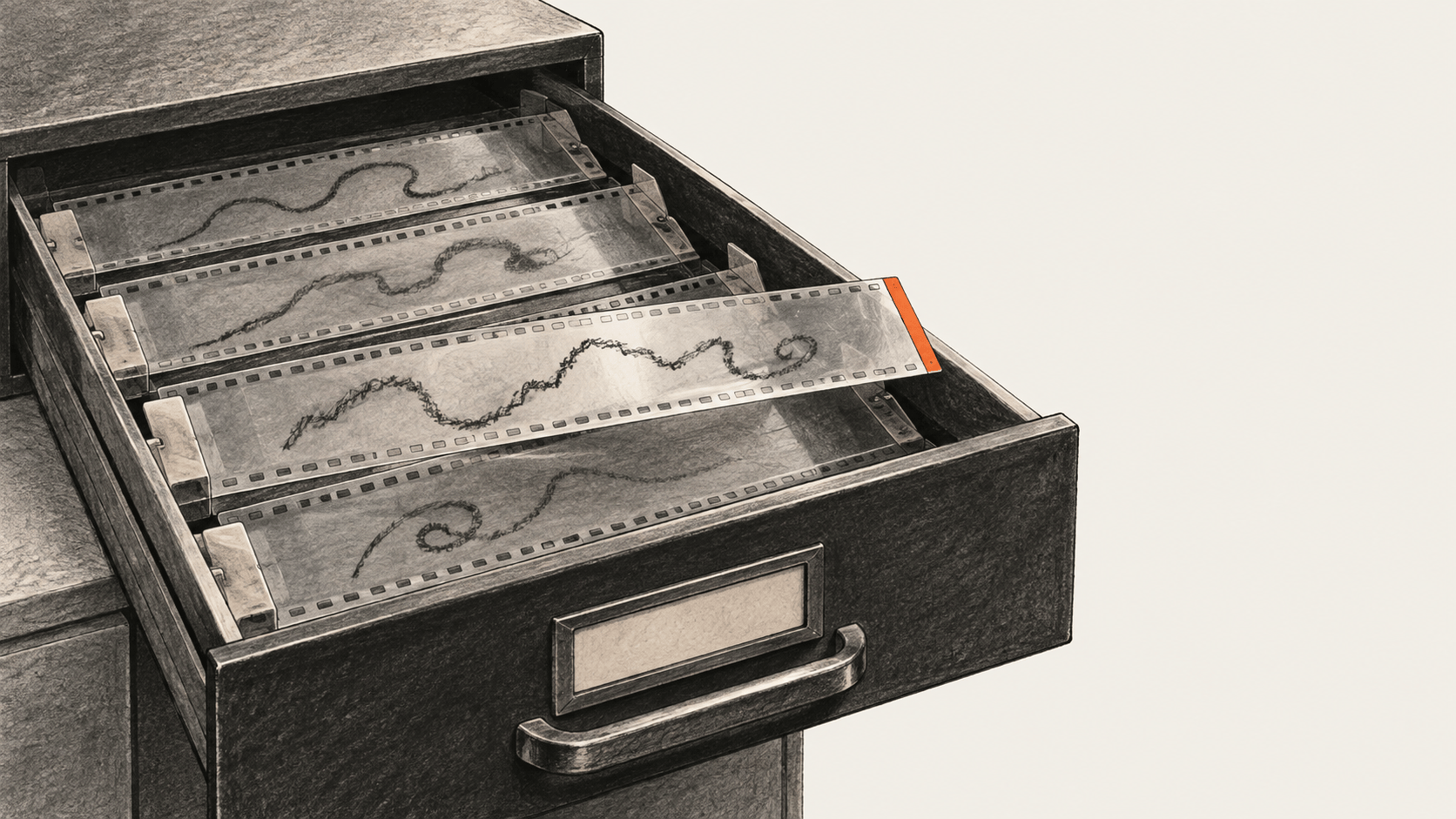
A xenobot preprint reports 80% accuracy when an AI-trained system matches new motion instructions to archived trials. Its predictions have not been tested on new organisms.
The Association for Human Mathematics objects to OpenAI's proprietary math research and mass release. Withdrawals and proof repairs show a changing record, not a verdict on the whole collection.
OpenAI says its investigation found information-policy violations and that it is finalizing contracts with outside safety assessors. The statement does not specify the alleged breach.
OpenAI says Russian and Iranian operations used ChatGPT for internal reports, article editing and some deceptive material. Independent checks support specific examples, while the campaigns’ audience impact remains uncertain.
Financial Times reporting puts OpenAI's annualized pace near $50 billion at September's end. A previously reported $70 billion comparison appears to use a different treatment of some partner sales.
1,513
The BIG CHANGE newsletter
The big picture. At your pace.
Recent stories on AI and robotics, the shifts worth watching and practical ideas to use. Choose a daily briefing, weekly digest or monthly perspective.
Next scheduled send (UTC): . Your first edition arrives at the next scheduled send after you confirm.
Your privacy, your choice.
Necessary storage supports site security and remembers your choices. Optional Google Analytics stays off until you allow it. You can read every story with necessary storage only. Privacy details