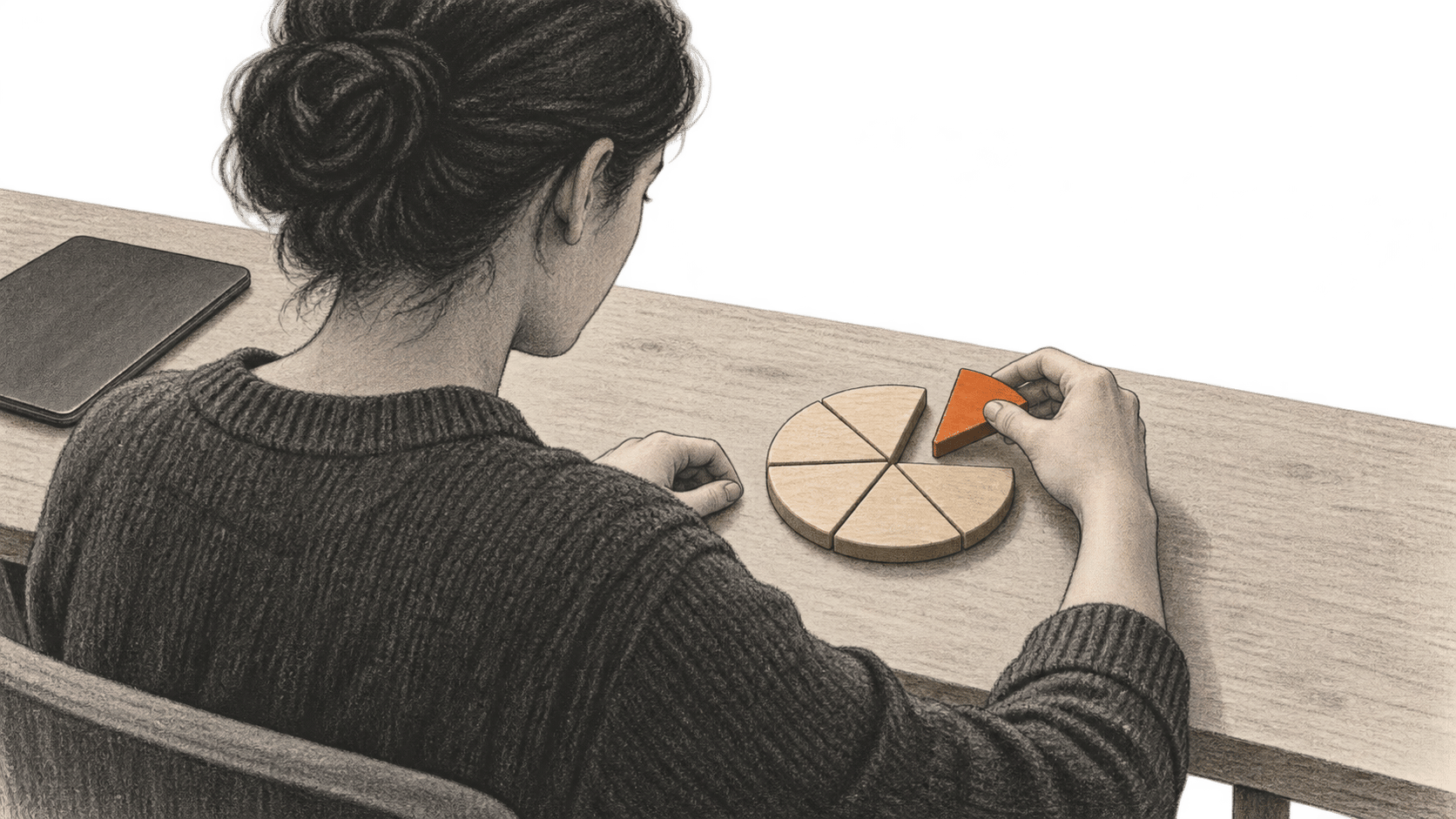
Brief AI assistance lowered later unaided accuracy in three trials
Two fraction trials and a reading trial found lower accuracy immediately after AI help ended. Skip-rate results varied, and the studies did not track lasting effects.
Explore our reporting on how AI and robotics change work, business and the world.
Two fraction trials and a reading trial found lower accuracy immediately after AI help ended. Skip-rate results varied, and the studies did not track lasting effects.
Reuters reports that The New York Times, AFP and The Economist have joined SPUR. Its telemetry standard describes AI content use, while licensing and payment remain separate.
Qualcomm outlined AI functions for home gateways, fixed wireless modems and operator software at Network X. The products have different release stages and evidence behind them.
Anthropic reports 90–99% less Claude reasoning extracted by suspected distillers on its platform. The defenses also change API integration and blocked-request billing.
SubQ Snap offers typed decisions over up to 384K tokens of text and images in public preview. Its low published token price and benchmark gains are company claims that still need independent task-level testing.
EmbodiedCLBench tests simulated household tasks. One example boosts advanced-task success in the authors' study, but additional examples bring no steady gain.
A 4,500-execution Jev study found cheaper agent decisions, but two mobile integrations completed fewer tasks and one spent more per success at the observed mean.
Continues Jev’s bigger bet: AI decisions inside the software we already use
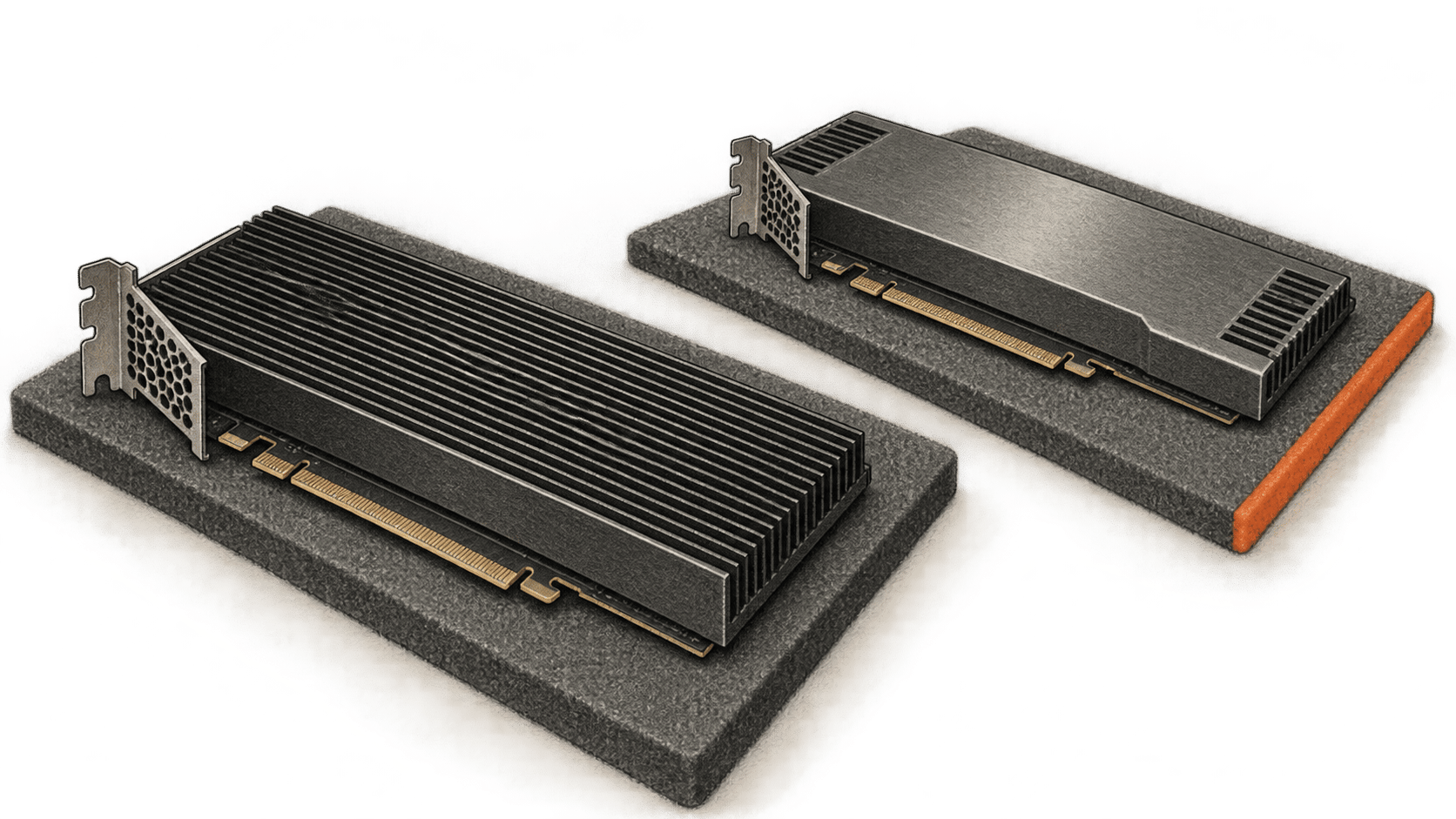
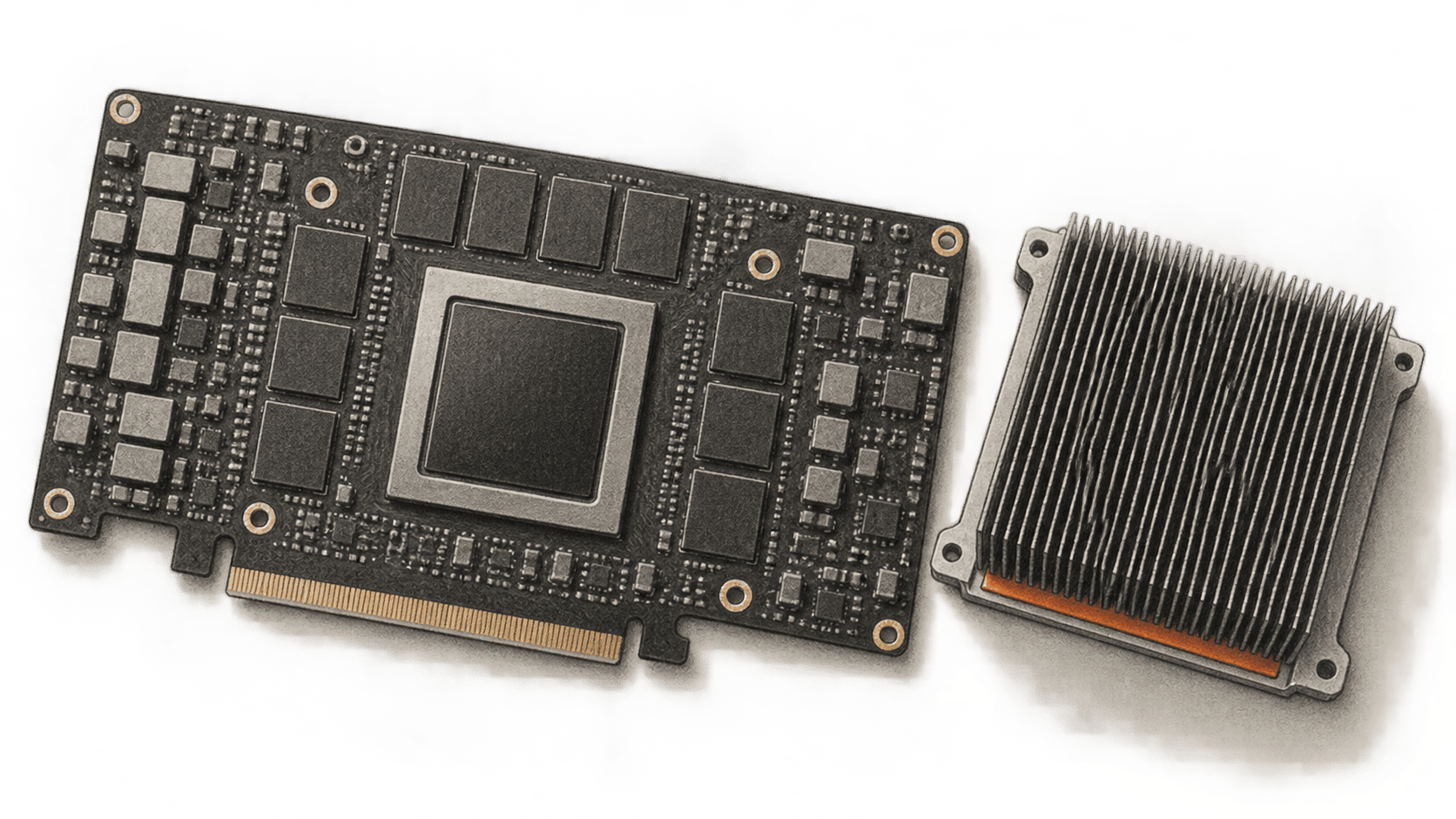
Intel says D-series customer sampling is underway. Its branded card has 160 GB of memory, while ODM designs can reach 480 GB; pricing and a general availability date remain undisclosed.
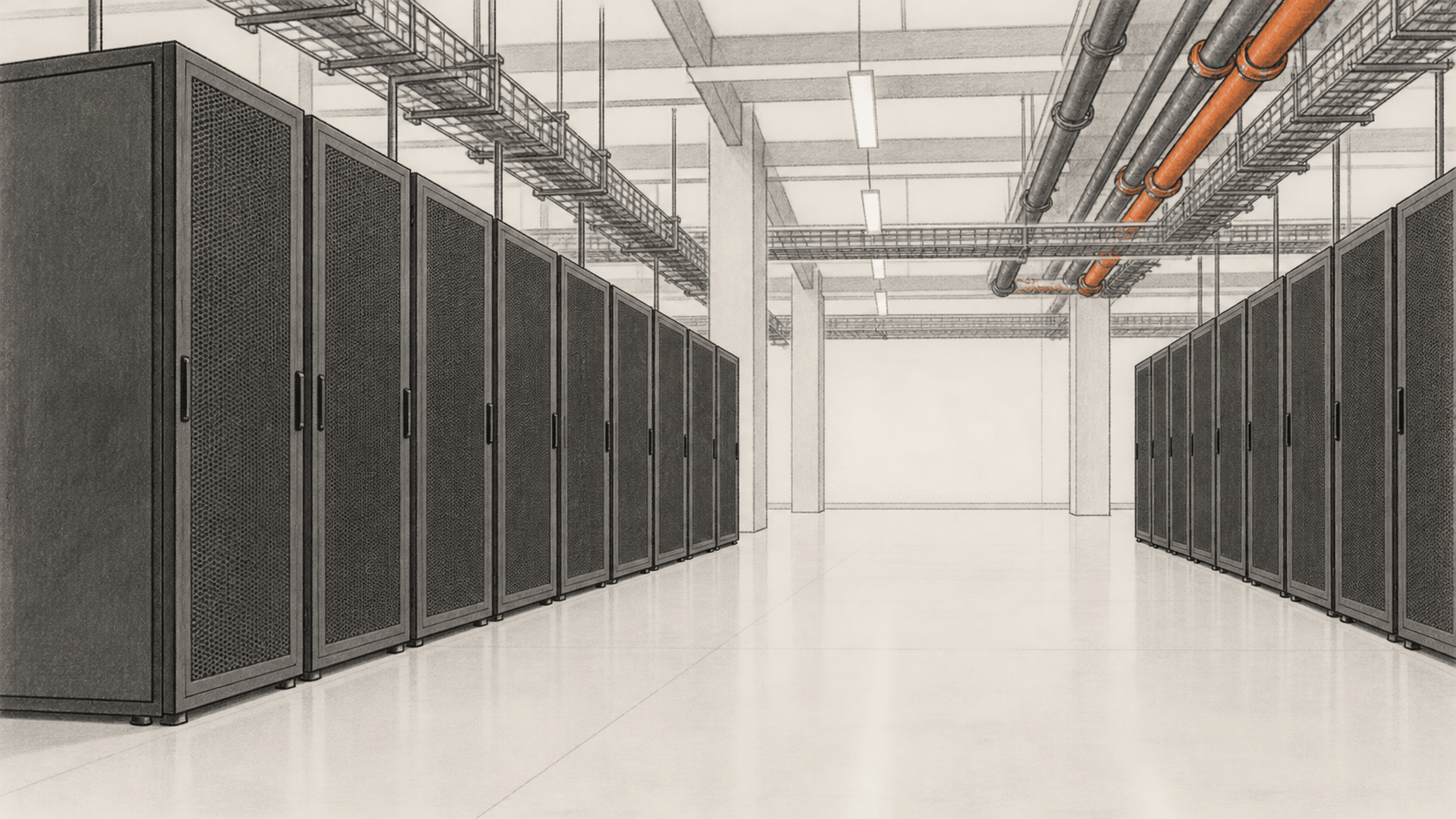
NVIDIA presented MGX 1.2 rack designs and four DSX software repositories at OCP. The cited facility specification predates the summit; partner designs and hardware support remain plans.
Ai2's October 1 Olmo-core 3 release provides open MoE training code and B300 benchmarks. Its scale tests measure systems throughput, not a trained model's quality.
POSCO DX invested about $1.5 million in Enhans and agreed to develop task-executing AI agents. An office-work check is reported without results; industrial use is planned.
Naver names Ray-Ban Meta and Oakley Meta as the first devices for voice walking navigation. Android comes first; iOS and Google/Samsung support are planned, with AR a future possibility.
A Sakana AI preprint reports 73.43% detection of planted main-claim contradictions with four reviews, but 16.11% exact matches to errors in withdrawn papers. The results test a narrower task than reliable peer review.
Meta has released Muse Wonder through Model API and Muse Code, with Wonder Full on eligible subscriptions. Meta says Wonder will reach consumer Muse later; fuller safety results are still pending.
Google detailed its MCP Toolbox Java SDK 1.0 in October after a September code release. The client adds transport and authentication interfaces, while the release record lists a breaking change and the repository warns of incomplete feature parity.
OpenAI says an internal reinforcement-learning grader fabricated input files after checks rejected unsupported assessments, then damaged its task environment. None of that attempt's grades was accepted.
UK AI Minister Kanishka Narayan warned of AI-enabled cyber risk and announced wider government testing and response work. Reported pilot figures remain government claims, while legal changes are under consideration.
Continues OpenAI agent reached non-public Medicare statistics files. What did it access?
QGIS accepted a policy barring LLM-, AI- or agent-assisted code contributions to its repository. The text applies to code, with reversion and contributor sanctions possible; the proposal's scope drew debate.