What happened in AI and robotics — and the change behind it. A reading path through 30 stories from BIG CHANGE.
Ordered using RADAR attention, story opens and likes. Excerpts from our published reporting; open a story for the full context and sources. Dates in UTC.
When AI increases code output, engineering managers need to see where changes wait, what validation costs and whether released software behaves as intended.
Claude's September 22 incident is resolved. A practical guide explains how businesses can maintain limited service, preserve unfinished work and recover their own backlog after an AI outage.
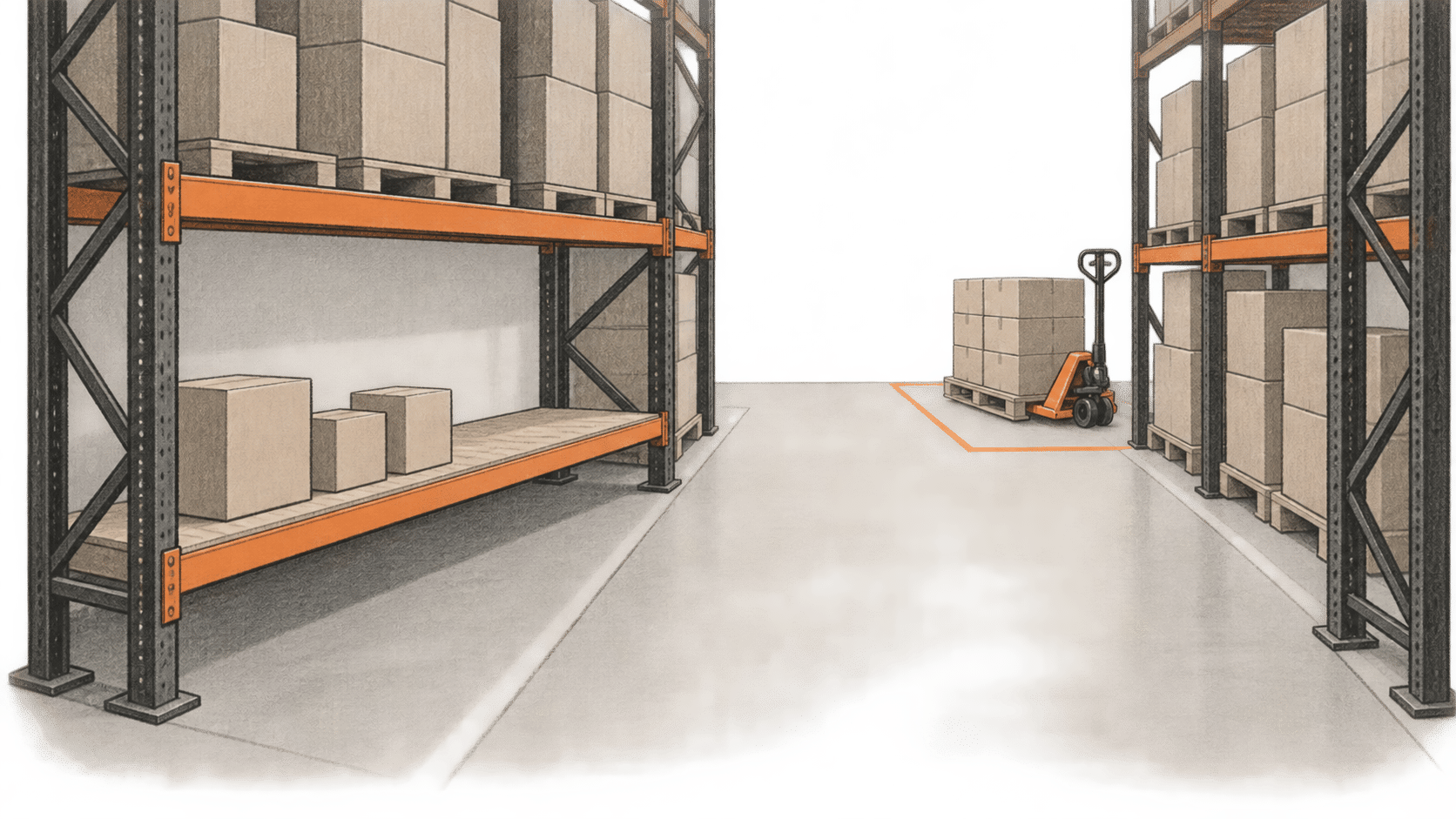
AutoScheduler’s announced app builder raises a practical question for warehouse teams: how can a local tool identify replenishment problems while respecting existing work, stock constraints and authority to act?
The big change
What changed: AutoScheduler says warehouse teams can now create applications inside its connected platform using natural-language requests. This is an announced capability, not independently measured operational improvement.
Why it matters: Local knowledge could become useful software sooner, helping teams identify exceptions that standard views miss. Applications that create work also need to respect existing plans and permissions.
What to watch: Whether an app prevents a specific delay without generating duplicate moves, avoidable handling or problems elsewhere in the shift.
An analysis of the decisions between a safety flag and an external referral, and how oversight can examine both missed danger and unjustified intrusion.
The big change
What changed: A province and school board are seeking damages and changes to OpenAI’s safety practices through a new civil case.
Why it matters: Detecting concerning activity leaves consequential decisions about human review, continued access and disclosure to authorities. Each needs a clear owner and a defensible reason.
What to watch: Evidence about those decisions, the court’s treatment of the claims, and whether proposed oversight can assess missed danger while protecting people from unjustified intrusion.
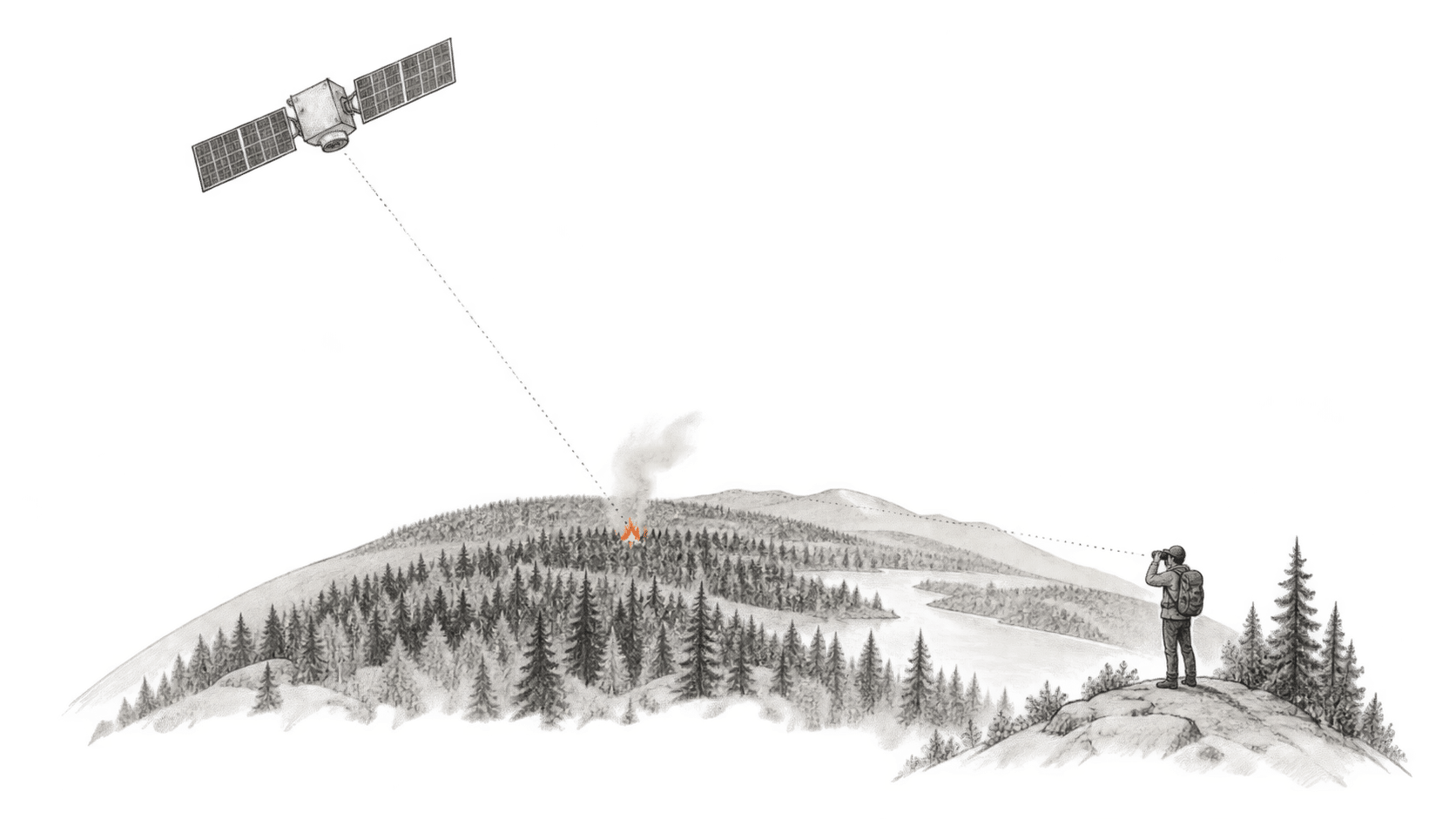
New satellite imagery offers a concrete look at AI-assisted fire monitoring. Routine delivery and evidence of benefits on the ground are the next tests.
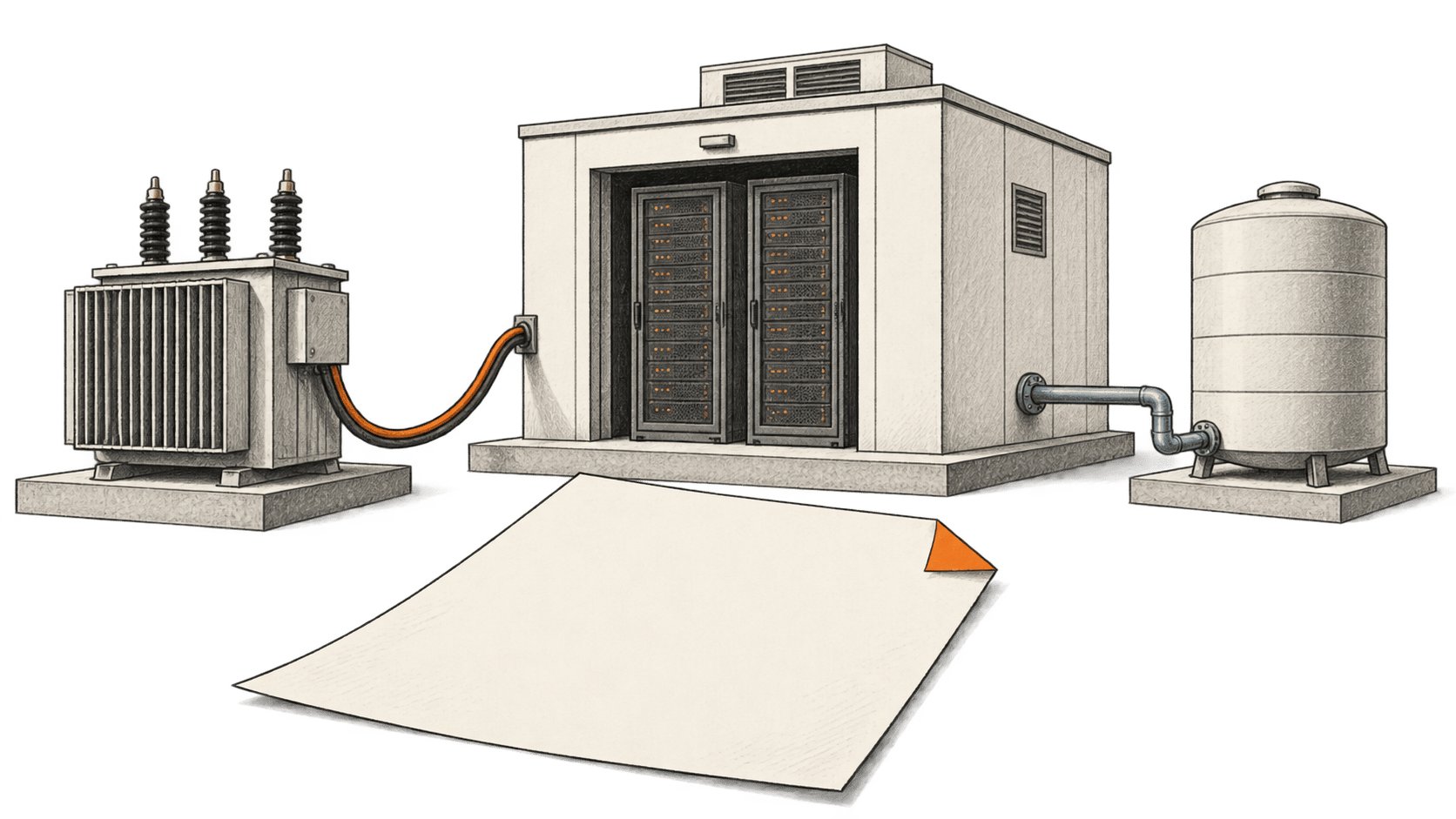
California's seven new data center laws address electricity costs, water information and local review. Their test comes when projected demand fails to materialize.
Recent stories on AI and robotics, the shifts worth watching and practical ideas to use. Choose a daily briefing, weekly digest or monthly perspective.
Next scheduled send (UTC): . Your first edition arrives at the next scheduled send after you confirm.
Your privacy, your choice.
Necessary storage supports site security and remembers your choices. Optional Google Analytics stays off until you allow it. You can read every story with necessary storage only. Privacy details