What happened in AI and robotics — and the change behind it. A reading path through 30 stories from BIG CHANGE.
Ordered using RADAR attention, story opens and likes. Excerpts from our published reporting; open a story for the full context and sources. Dates in UTC.
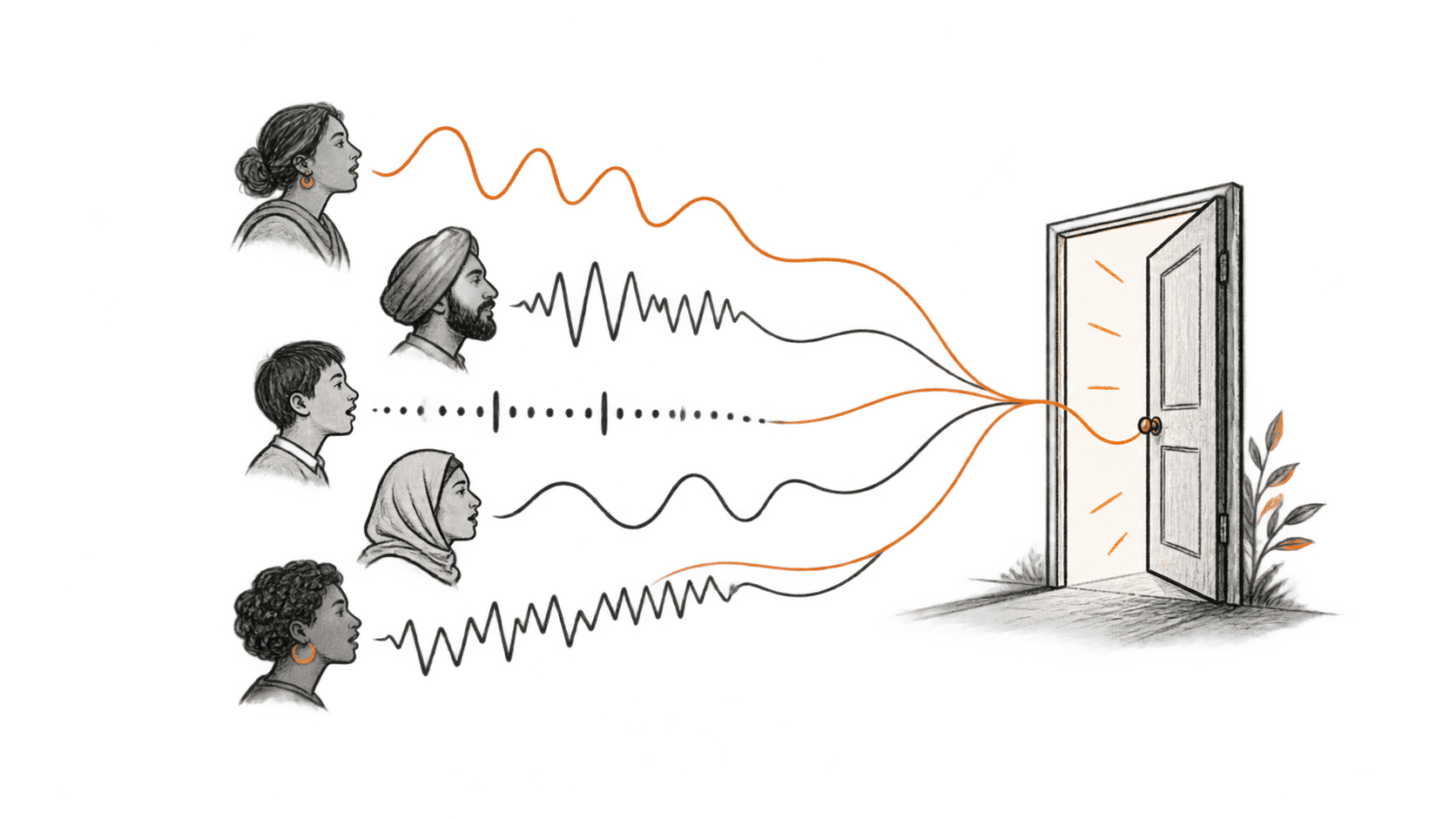
A practical guide to choosing what an AI task needs and checking training, retention, memory and onward sharing. Current ChatGPT, Claude and Gemini policies illustrate how the controls differ.
The big change
What changed: Assistants can combine a new message with saved context, files and connected accounts. Privacy decisions extend beyond the words entered in a single conversation.
Why it matters: People seeking help with personal tasks can choose how much context to supply and retain. Useful assistance can often begin with a smaller, carefully selected extract.
What to watch: Training, storage, personalization and onward sharing have separate controls. Check the account and task involved, especially before saving a temporary conversation or authorizing another service.
Snorkel’s new funding backs simulated workplaces where AI agents can practice using company tools, rules and records, while their actions and outcomes are scored.
The big change
What changed: A training-data supplier can sell a working simulation of a company process. Success requires using the available tools and records to complete the workflow.
Why it matters: The people who construct the environment help define competent work. A policy threshold, required approval or database update becomes part of the signal that rewards one behavior and rejects another. Domain judgment is therefore an input to training, not only a final review.
What to watch: Snorkel says it will expand grants for open benchmarks. For commercial environments, the central question is how closely their tools, rules and exceptions match the buyer’s operation, because success in the simulation is measured against that constructed version of the job.
From the unit-distance disproof to Navier-Stokes, AI mathematics is advancing through new results, human follow-ons and formal proofs. What has really changed?
Tokenized funds and securities could give AI agents a role in corporate treasury. Moving a token still differs from redeeming an investment or obtaining cash.
Mastercard, Visa and other fintech companies are building agent payments. The choices over consent, credit and recovery could reshape who controls a purchase.
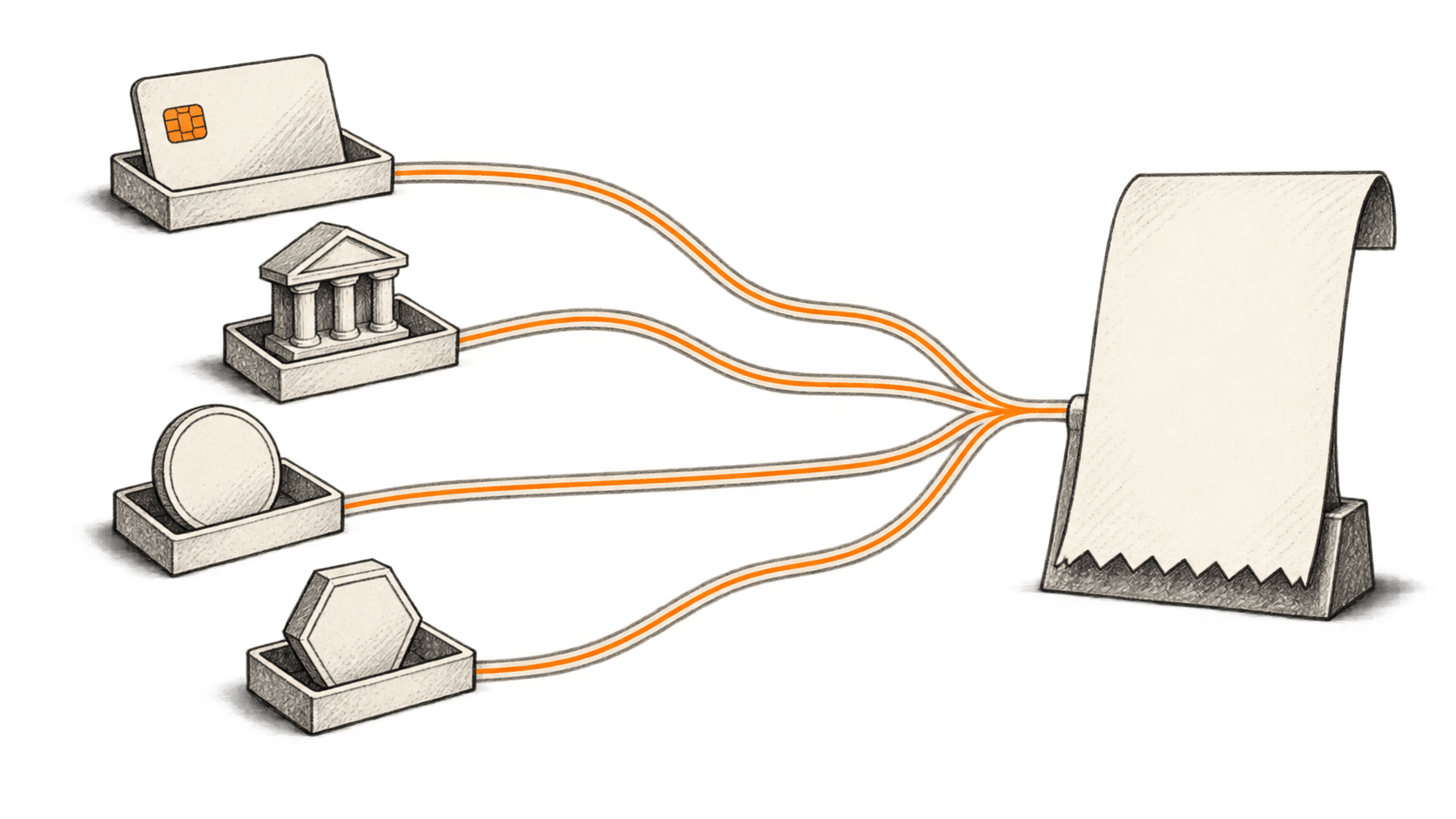
AI agents can spend bank money, stablecoins and other tokens. The useful comparison includes permission, conversion, refunds and what the recipient can use.
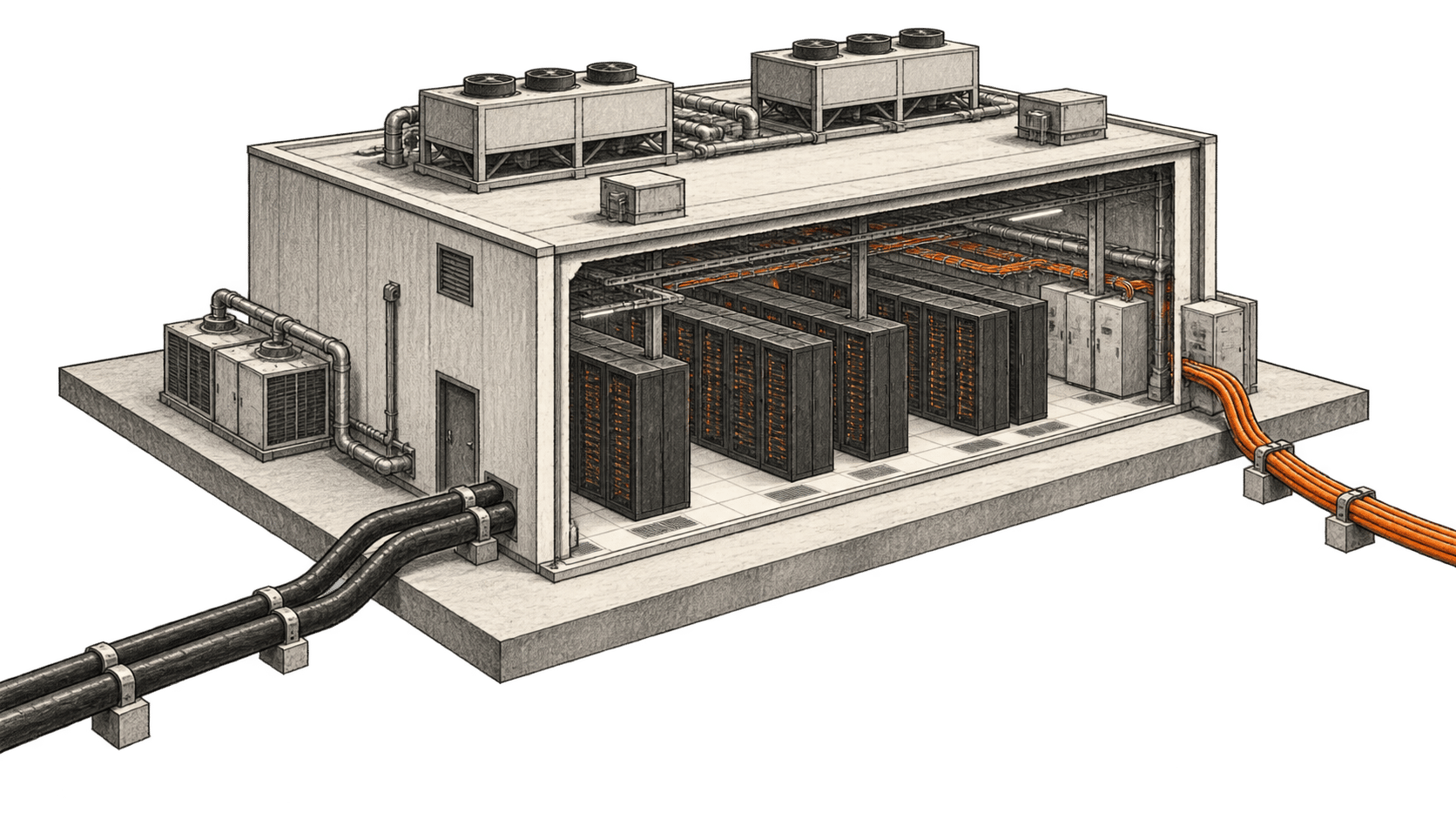
Two hypothetical services with UK processing illustrate how access, operational rights and the ability to change providers determine what local AI infrastructure lets a buyer do.
The big change
What changed: The UK’s compute roadmap sets an ambition to direct resources toward national priorities and support independent action where needed.
Why it matters: A service’s location leaves important choices about access, administration and replacement unresolved. Those choices affect what public bodies and businesses can deliver.
What to watch: Whether proposals specify who can allocate capacity, authorize changes and move workloads, with evidence that those rights can be exercised.
Recent stories on AI and robotics, the shifts worth watching and practical ideas to use. Choose a daily briefing, weekly digest or monthly perspective.
Next scheduled send (UTC): . Your first edition arrives at the next scheduled send after you confirm.
Your privacy, your choice.
Necessary storage supports site security and remembers your choices. Optional Google Analytics stays off until you allow it. You can read every story with necessary storage only. Privacy details