What happened in AI and robotics — and the change behind it. A reading path through 13 stories from BIG CHANGE.
Ordered using RADAR attention, story opens and likes. Excerpts from our published reporting; open a story for the full context and sources. Dates in UTC.
A proposed antitrust suit alleges McDonald’s pricing recommendations helped coordinate restaurant prices. The docket verifies the filing, while the company says franchisees set prices independently.
The big change
The filing puts McDonald’s pricing recommendations at the center of an antitrust dispute. The docket verifies the complaint’s Oct. 2 filing; Reuters and Bloomberg Law describe its allegations, and McDonald’s says franchisees control their prices. The allegations remain unresolved.
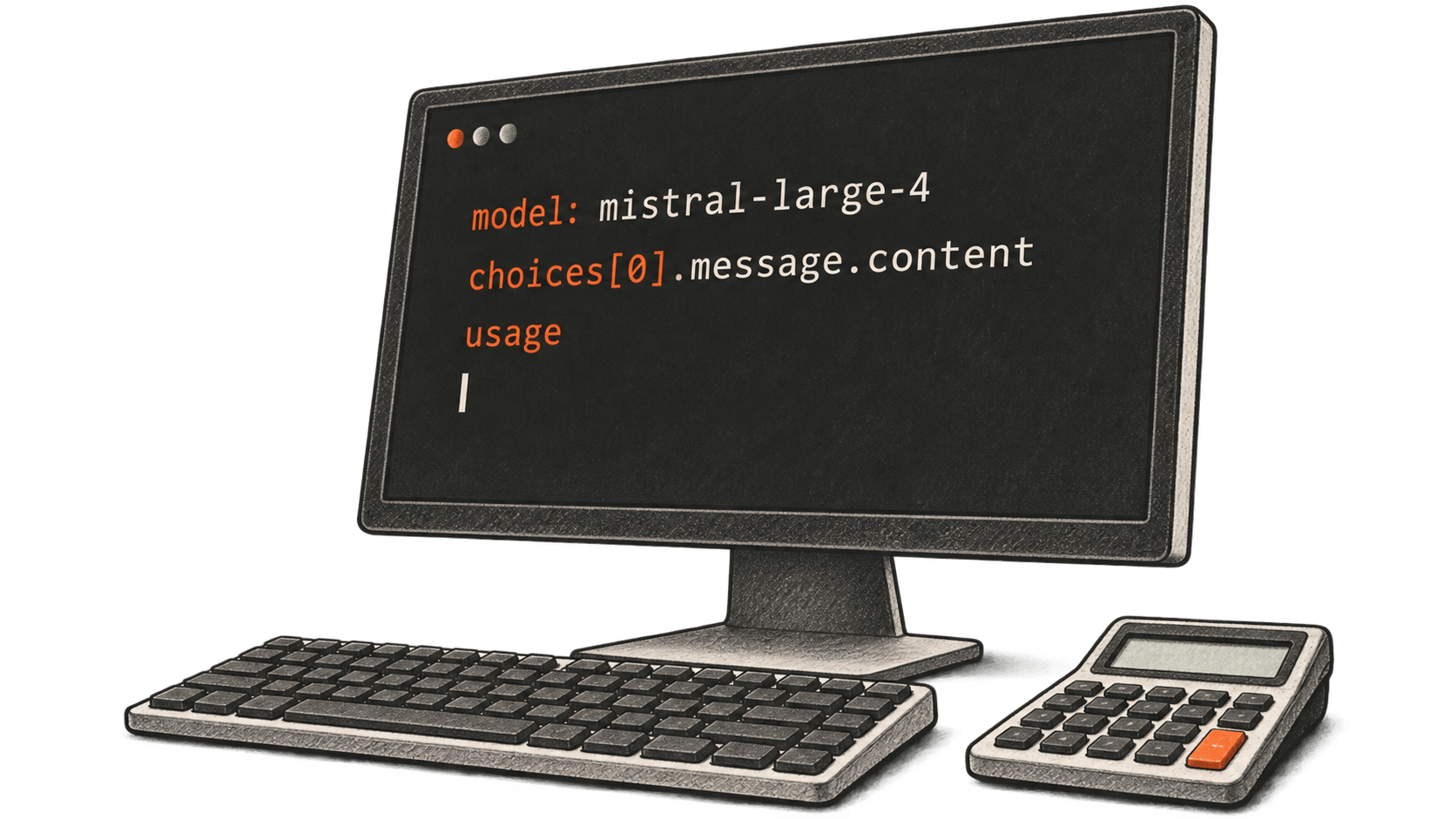
How to call Mistral Large 4 in Public Preview, read its response and calculate a sample token charge from official rates.
The big change
What changed: A new Mistral flagship is available to developers through a priced API preview. Its documented 1 million-token context and vision encoder widen the kinds of material an application can send, though this walkthrough uses text only.
Why it matters: A team can evaluate Large 4 through the hosted chat interface today. The published token rates make a small trial's variable cost calculable in advance. Output quality and latency still need measurement in the team's own application.
What to watch: Mistral says a full release is planned for later this month. Teams interested in self-deployment will need to verify whether downloadable weights become available and under what terms. The current Public Preview can receive silent updates and has no guaranteed route to general availability, so an integration decision also depends on lifecycle tolerance.
Runway's Eleven v4 speech API accepts scripts up to 2,500 characters. This documentation-based guide explains the request, task result, account setup and October 12 price change.
The big change
What changed: Runway now lists Eleven v4 as a text-to-speech model behind its existing task API. A script can include documented audio tags such as [laughs], [whispers] and [pause], within the 2,500-character limit.
Why it matters: A team with a Runway developer project can request speech using a preset voice and retrieve the completed task's audio URL. Its integration and budget planning can use one documented request shape and a dated price schedule.
What to watch: Runway says the rate changes from 2.2 to 5 credits per 1,000 characters on October 12, 2026 PT. Anyone estimating repeated generations needs to use the rate effective when the request is billed and check the live price before committing a budget.
Nieman Lab found ChatGPT-generated cartoons bearing real New Yorker cartoonists’ signatures. Its tests show false attribution, while the training source and rights remain unresolved.
The big change
What changed: Nieman Lab documented ChatGPT-generated cartoons carrying real cartoonists’ apparent signatures without those artists making the images. The output assigned a named artist’s identity to a generated drawing, alongside imitating the magazine’s visual style.
Why it matters: A signature can travel with a cartoon when it is shared apart from its original context. Loper told Nieman Lab that people asked whether he had made a signed image. For artists and publishers, the immediate problem is false attribution; the signatures alone do not establish how the model learned them or whether any law was broken.
What to watch: After Deck notified OpenAI, ChatGPT began warning him about similarity to third-party content, yet he reported that some signed outputs continued. Whether those outputs cease is a concrete measure of OpenAI’s response. At the time of Deck’s report, the company had not explained their cause or announced a completed fix.
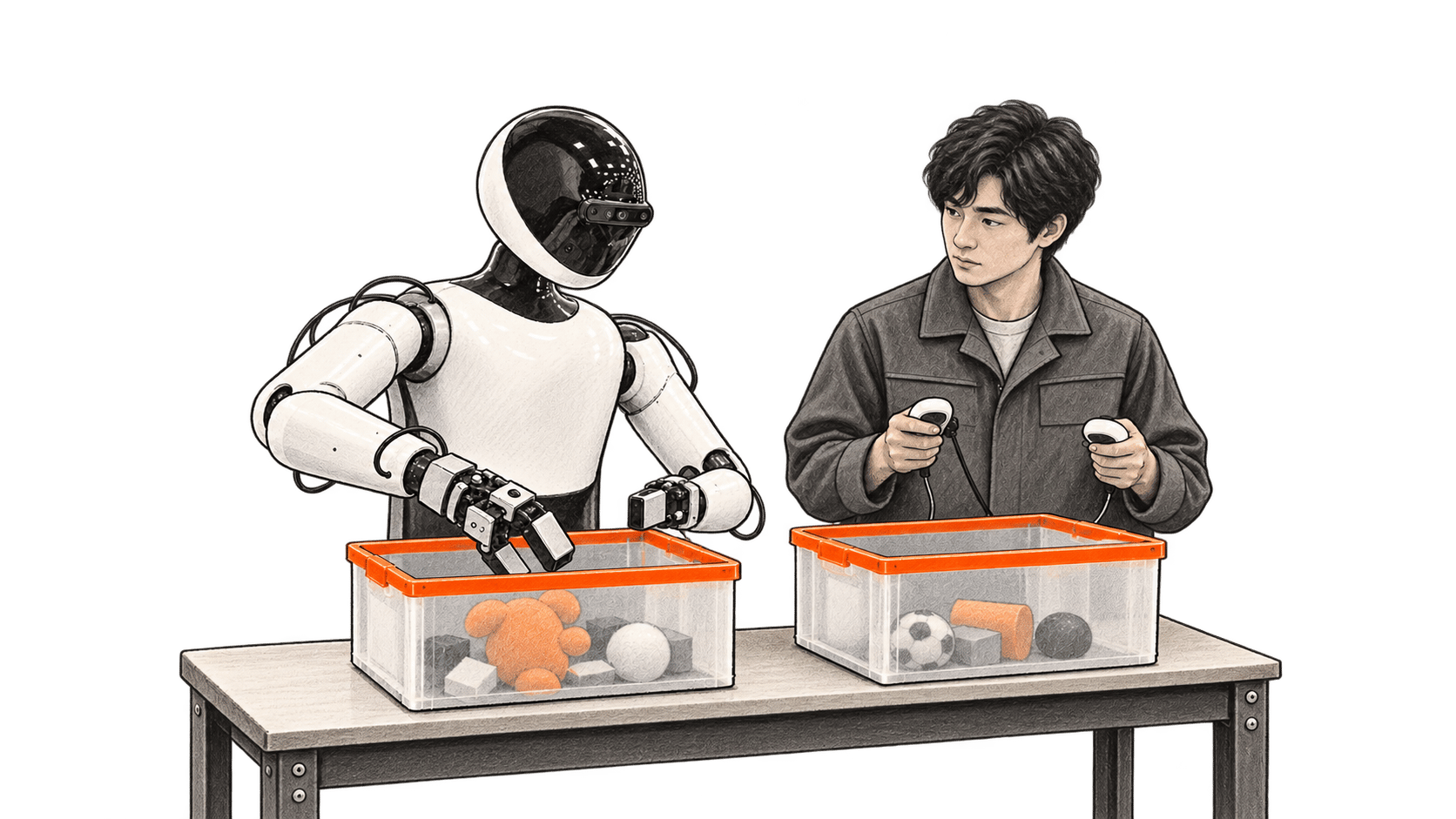
J-HRTI opened a humanoid data facility with 35 robots in August. Japan’s separate ¥387.3 billion FY2026 model program funds research, with no documented grant to the facility.
The big change
What changed: J-HRTI's August opening gives member companies a place to produce and share humanoid training data while keeping work in a secure area proprietary. A separate national program selected Noetra and AIST to develop a domestic multimodal model.
Why it matters: Manufacturers considering J-HRTI can divide data-collection costs and test their own tasks while retaining private work. The national program funds model research; its budget does not establish that J-HRTI receives a grant or that either effort has delivered autonomous factory work.
What to watch: J-HRTI's membership terms, published task results and industrial deployments will show the facility's practical reach. Any claimed connection to Noetra's model would need a documented data or research agreement, which the reviewed sources do not provide.
Hark Pro is listed in Australia’s App Store. Its website, store listing, privacy policy and terms describe different parts of access, pricing and data handling before a user connects accounts.
The big change
What changed: The Australian App Store now lists a version of Hark Pro that markets a personal assistant able to act across connected accounts and websites. The listing establishes storefront availability there; it does not establish availability in every country or successful completion of Hark’s examples.
Why it matters: An assistant that handles reservations, messages or shopping needs more context and permissions than one answering a standalone question. Hark’s policy describes collection of prompts, outputs and connected-account information, along with sharing needed to carry out a requested action. That makes account access and data handling part of the product decision.
What to watch: The purchase screen and permission prompts are the next concrete checks for a prospective user. Hark’s website states monthly U.S. prices, while Apple’s Australian listing displays local in-app purchase prices without a billing period in the listing itself. The terms say subscription duration is specified when ordering.
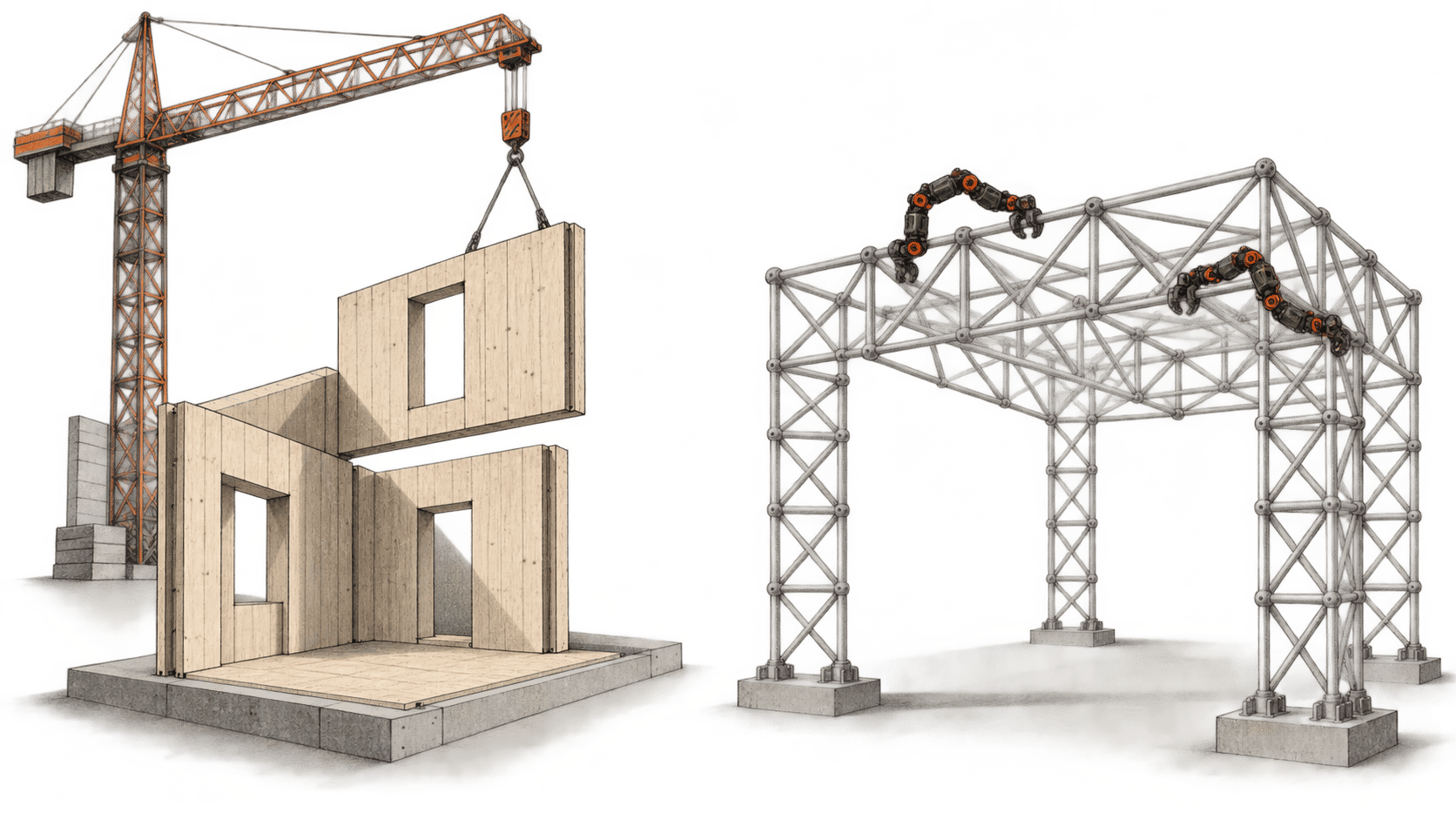
University of Stuttgart researchers have funding for two distinct construction robotics projects beginning in November 2026. SCALAR plans crane-assisted timber assembly; COBRAS plans mobile robot teams for reusable space frames. Neither reports site productivity results.
The big change
What changed: Two funded research programs now put robot coordination and building-component design in the same plan. SCALAR proposes cranes and smaller robots working on timber modules; COBRAS proposes teams of mobile robots assembling reusable space frames. These are research objectives, not working site services.
Why it matters: For builders, the distinction is practical: automation depends on the components and joints being designed for machine assembly, as well as on the robots. A crane-based timber system and a mobile swarm would face different handling and coordination problems.
What to watch: Both grants call for technology-readiness-level 4 demonstrations. The useful evidence will be whether the teams can repeatedly assemble their specified structures under representative conditions, with safe coordination and dependable sensing. Site productivity and commercial readiness would require further evidence.
Finland's environmental regulator asks Tuike Finland Oy to suspend environmentally significant preparations at Google's Muhos and Kajaani data center sites while their impact assessments remain unfinished.
The big change
What changed: Environmental scrutiny of these two Google projects has moved from information gathering to a request to suspend specified site preparation. The agency is intervening before the assessment process is complete.
Why it matters: For communities around planned AI infrastructure, the timing of environmental review affects which choices remain open. LVV says extensive preparation can limit the alternatives an assessment can examine and the opportunities to prevent harm.
What to watch: Tuike's written response and the agency's next decision will establish how this request proceeds. Google's separate investment announcement offers no evidence that these two projects have completed their environmental review.
Recent stories on AI and robotics, the shifts worth watching and practical ideas to use. Choose a daily briefing, weekly digest or monthly perspective.
Next scheduled send (UTC): . Your first edition arrives at the next scheduled send after you confirm.
Your privacy, your choice.
Necessary storage supports site security and remembers your choices. Optional Google Analytics stays off until you allow it. You can read every story with necessary storage only. Privacy details