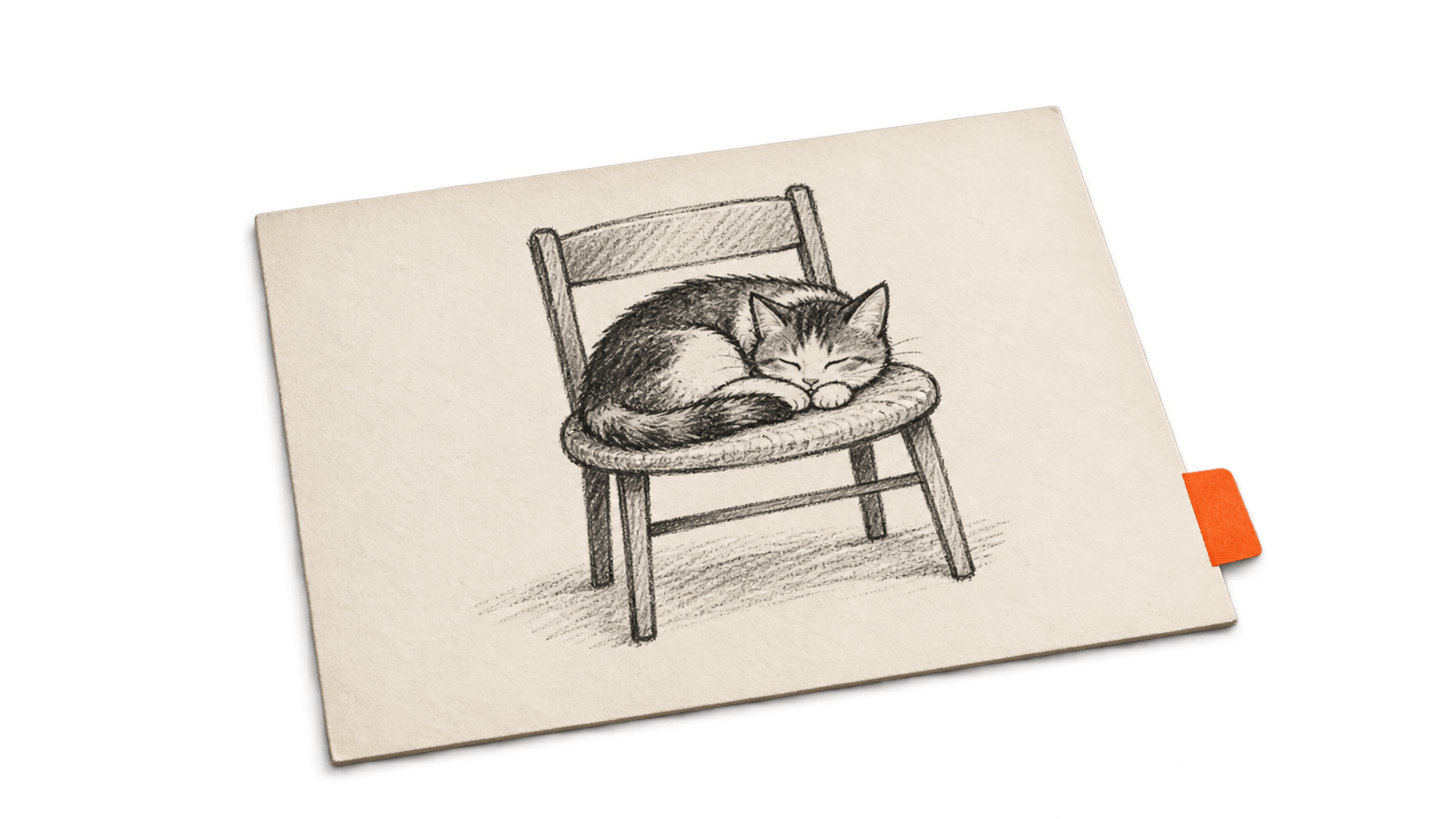
An AI-generated cartoon circulated with Brendan Loper’s pen name in its corner, although he had not drawn it. In Nieman Lab’s October 5 report, Loper said people contacted him to ask whether it was his.
Reporter Andrew Deck found similar images posted online and generated New Yorker-style cartoons in ChatGPT himself. He documented signatures associated with more than 15 of the magazine’s cartoonists across those sources. That is a count of artists in the examples he found, not a measure of how often ChatGPT produces a real signature or how many such cartoons are circulating.
The big change
- What changed: Nieman Lab documented ChatGPT-generated cartoons carrying real cartoonists’ apparent signatures without those artists making the images. The output assigned a named artist’s identity to a generated drawing, alongside imitating the magazine’s visual style.
- Why it matters: A signature can travel with a cartoon when it is shared apart from its original context. Loper told Nieman Lab that people asked whether he had made a signed image. For artists and publishers, the immediate problem is false attribution; the signatures alone do not establish how the model learned them or whether any law was broken.
- What to watch: After Deck notified OpenAI, ChatGPT began warning him about similarity to third-party content, yet he reported that some signed outputs continued. Whether those outputs cease is a concrete measure of OpenAI’s response. At the time of Deck’s report, the company had not explained their cause or announced a completed fix.
What the report tested
Deck says his ChatGPT prompts produced cartoons bearing signatures associated with George Booth, Liza Donnelly, Ellis Rosen and Saul Steinberg, among others. He also found examples in online forums bearing other contributors’ names. His results varied: some outputs had no signature and others had invented pen names. After he notified OpenAI, ChatGPT began showing a warning about similarity to third-party content for his New Yorker-style requests, he reported. At publication, he said some generated cartoons still carried real cartoonists’ names.
This is Deck’s reported testing, not a BIG CHANGE experiment. The report does not provide a complete prompt set, model version, sample size or rate of signed outputs. Those missing details limit any claim about current behavior across users or versions.
Loper’s account adds the consequence of the mark appearing on a shared image: viewers asked him whether he had made it. Cartoonist Emily Flake told Deck that the generated drawings looked like a mixture of artists’ styles, while the signatures reproduced her pen name. The artists’ distinction matters. A cartoon may resemble a genre without being attributed to a named person; a signature makes that attribution explicit.
OpenAI told Nieman Lab it appreciated reports of bugs and unintended model behavior so it could address them. The statement did not explain the cause, identify a completed fix or give a timetable. Deck reported that the warning appeared after his notice and that signed outputs persisted during his subsequent checks.
What the signature cannot prove
OpenAI’s 2024 announcement of its Condé Nast partnership says the arrangement would display content from brands including The New Yorker in OpenAI products. It does not disclose the contract or say that cartoon art was licensed for model training. A New Yorker spokesperson told Nieman Lab that Condé Nast had not given an LLM developer permission to train on its cartoons. Deck also reported reviewing template contracts for contributing cartoonists that did not permit AI training licenses. These are separate statements about rights; the visible signatures alone cannot show how the model acquired the pattern or settle what any agreement covers.
Deck asked OpenAI how the signatures might have entered its training material, and reported no answer to that question. He interviewed Cornell law professor James Grimmelmann about possible legal theories, including the right of publicity. That discussion identifies possible claims and hurdles, not a court ruling on these images. Whether a particular cartoon violates anyone’s rights remains unresolved.