THE WORLD IS NOT STANDING STILL.RSS
BIG CHANGE.
BIG CHANGE, one tap away

Make room for the big picture.

Add BIG CHANGE to your home screen or desktop. It opens in its own window, with the latest stories when you’re online.

iPhone & iPad
Open bigchange.ai in Safari. Tap Share, then Add to Home Screen. Turn on Open as Web App if shown, then tap Add.
Android
Open bigchange.ai in Chrome. In the browser menu, choose Install app or Add to Home screen.
Desktop
In Chrome or Edge, use the install icon in the address bar or the browser’s app menu. In Safari on Mac, choose File → Add to Dock.
All briefings

Follow the change ·

The day,
in perspective.

What happened in AI and robotics — and the change behind it. A reading path through 21 stories from BIG CHANGE.

Ordered using RADAR attention, story opens and likes. Excerpts from our published reporting; open a story for the full context and sources. Dates in UTC.

Original story: news

YouTube Music starts labeling tracks made largely with generative AI

YouTube Music is rolling out a player label for tracks with significant generative AI involvement. The disclosure does not reveal every step of a track's creation.

The big change

What changed: YouTube says it draws on music-partner declarations and its own detection tools to decide which tracks receive a listener-visible label. It has not specified how those inputs map to the label.

Why it matters: For music that mixes human and generated work, the label signals substantial AI involvement without supplying a complete production history or proving the entire track was AI-made.

What to watch: YouTube says the music labels will expand to the main YouTube app. It has not announced when.


Read the full story
—
Back to the briefing
Original story: analysis

Grok Voice 3.0 gains on support test, slows first audio

The hosted Voice Agent API now uses Grok Voice 3.0. An independent simulated support score rises, while first-audio time increases and the listed voice price has a separate text charge.

The big change

What changed: Grok Voice 3.0 replaced 2.0 behind the grok-voice-latest API alias. Artificial Analysis now reports a 71.6% score on its simulated customer-support benchmark, up from 56.5% for 2.0.

Why it matters: That measure tests whether an agent reaches the correct database state across scripted airline, retail and telecom problems. It is more relevant to a support workflow than a general audio reasoning score, although it is still a simulation.

What to watch: The same evaluator measured 0.81 seconds to first audio for 3.0, against 0.70 seconds for 2.0. Teams should check their own response time, task completion and billable session length before switching a pinned deployment.

Read the full story
—
Back to the briefing
Original story: news

Square launches voice ordering kiosk built around restaurant menu data

Square's new standalone kiosk lets diners order by voice or touch. Its answers depend on restaurant menu data, while setup requires a Plus or Premium plan and live connection.

The big change

What changed: Square has added a standalone device alongside its iPad-based option, combining voice and touch ordering, payments and a seller-configured menu.

Why it matters: Diners can ask about items and customize an order at the kiosk, while restaurants control the information and options available through their Square menus.

What to watch: Square has not published a measured comparison of queue times, order values or voice-order accuracy for the new device. Menu quality and the noise in a restaurant will affect what operators can reasonably expect from it.

Read the full story
—
Back to the briefing
Original story: news

99 adds possible-crash alerts to motorcycle trips in Brazil

99 says trip telemetry and phone sensors can flag a possible incident on its motorcycle services for a 24/7 safety team. Staff check what happened before arranging help; accuracy and response-time results were not disclosed.

The big change

What changed: Telemetry already used to assess motorcycle driving is being used to raise possible-incident alerts during a trip. The new step is routing that alert to a safety team for a check and possible assistance.

Who it affects: The reported initial scope is 99's two-wheel services, including motorcycle passenger trips and 99Food deliveries. The reports give no city-by-city availability list or app version.

What remains open: 99 has not disclosed how often the system correctly identifies an accident, how often it raises a false alarm, or whether it shortens the time to care. No result for injuries or deaths can be attributed to this launch.

Read the full story
—
Back to the briefing
Original story: news

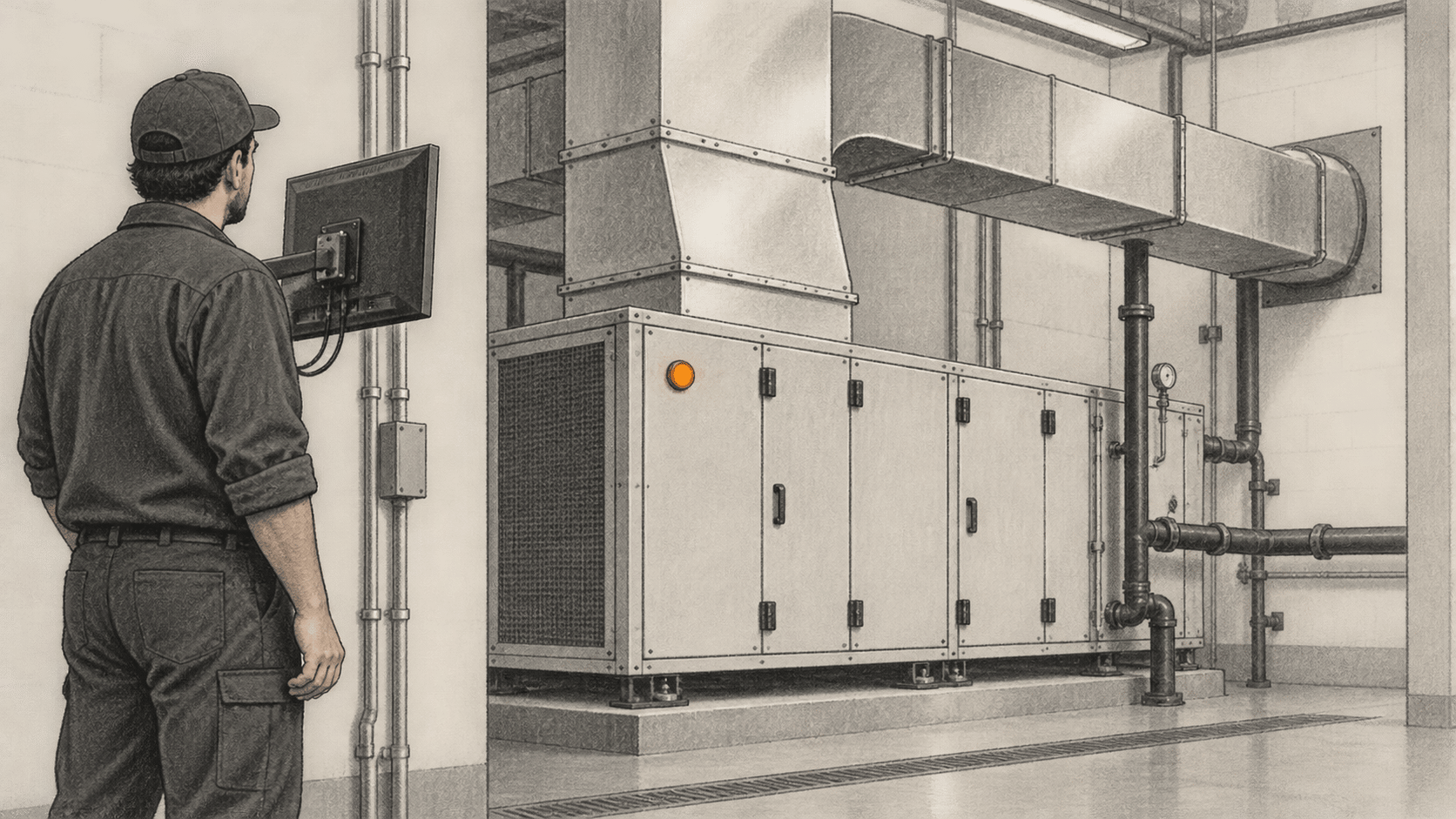
Honeywell Forge Cognition brings AI agents to facility operations

Honeywell says Forge Cognition can triage building alarms, predict HVAC issues and simulate energy changes. Its Voyager pilot reports early results with important measurement limits.

The big change

What changed: Honeywell is offering facility teams agents that interpret alarms and equipment data alongside simulations of building operations. Operators can choose manual, semi-autonomous or autonomous operation and override the system.

Why it matters: A building team can use the same operating context to prioritize alarms, plan HVAC maintenance and assess energy changes before acting. Those are different decisions: fewer alerts do not establish fewer equipment failures, and an energy opportunity is not a measured saving.

What to watch: Customers can now scope deployments with Honeywell. Their evaluation turns on the alarms the system filters, the maintenance predictions it produces and whether simulated energy changes deliver measured savings while preserving comfort. The Voyager figures alone cannot settle those questions for another facility.

Read the full story
—
Back to the briefing
Original story: analysis

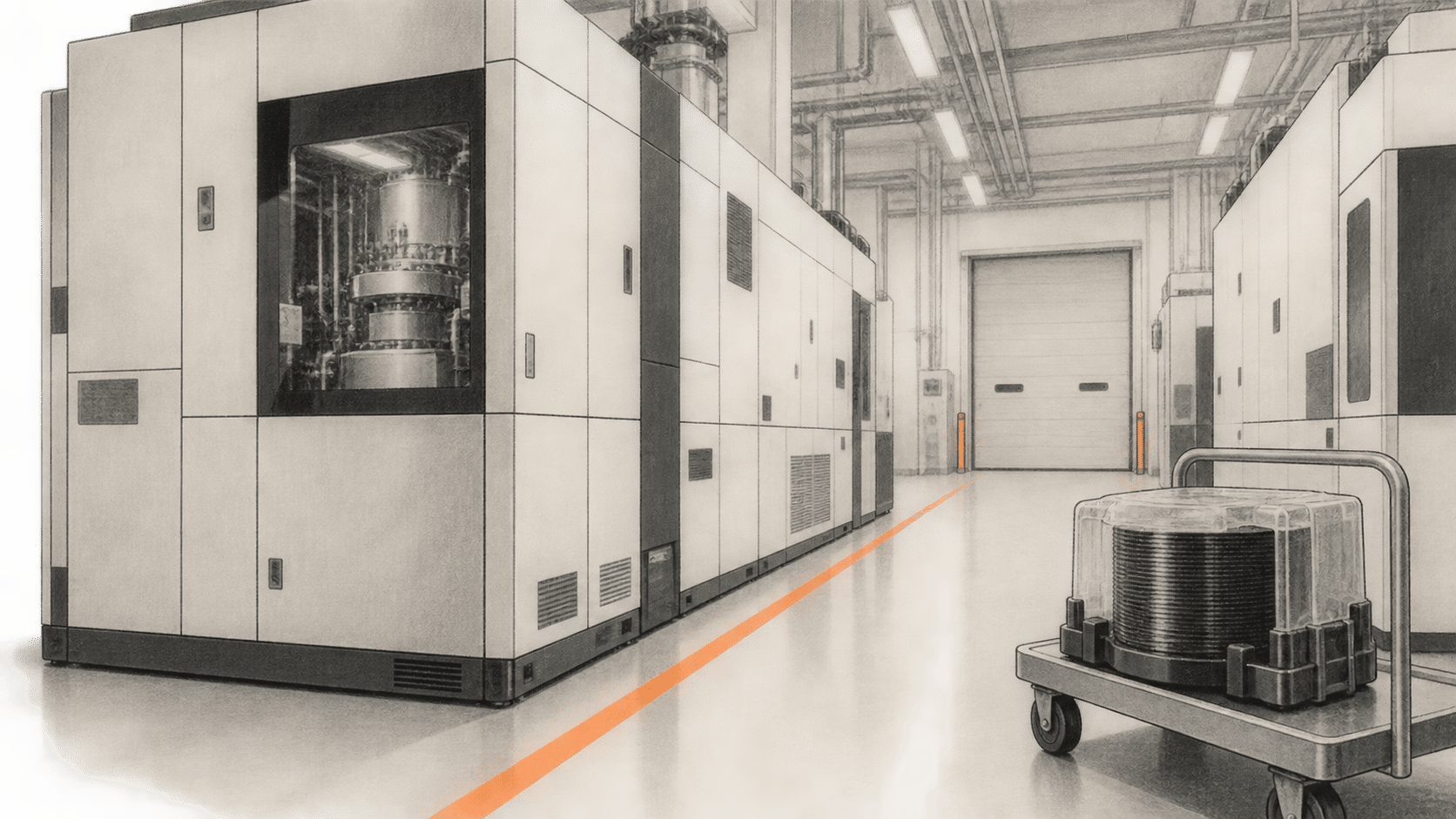
ASML expects 2027–28 equipment demand to exceed planned supply

ASML reported €11.7 billion in third-quarter sales and said customers' AI investment plans are lifting equipment forecasts. Its projected supply gap for 2027 and 2028 remains a management assessment, while interest in 2029–30 orders has yet to become orders.

The big change

ASML has moved from a Q2 plan to expand two major lithography-tool categories to a Q3 warning that those planned 2027 and 2028 levels may be insufficient for the demand customers now forecast. Recorded Q3 sales and the company's account of increasing 2028 orders support an active equipment market. The farther-reaching 2029–30 interest and any expansion beyond the earlier 2028 target still depend on customers placing orders and ASML establishing additional capacity. Future results will show how much of that interest converts into deliveries.

Read the full story
—
Back to the briefing
Original story: news

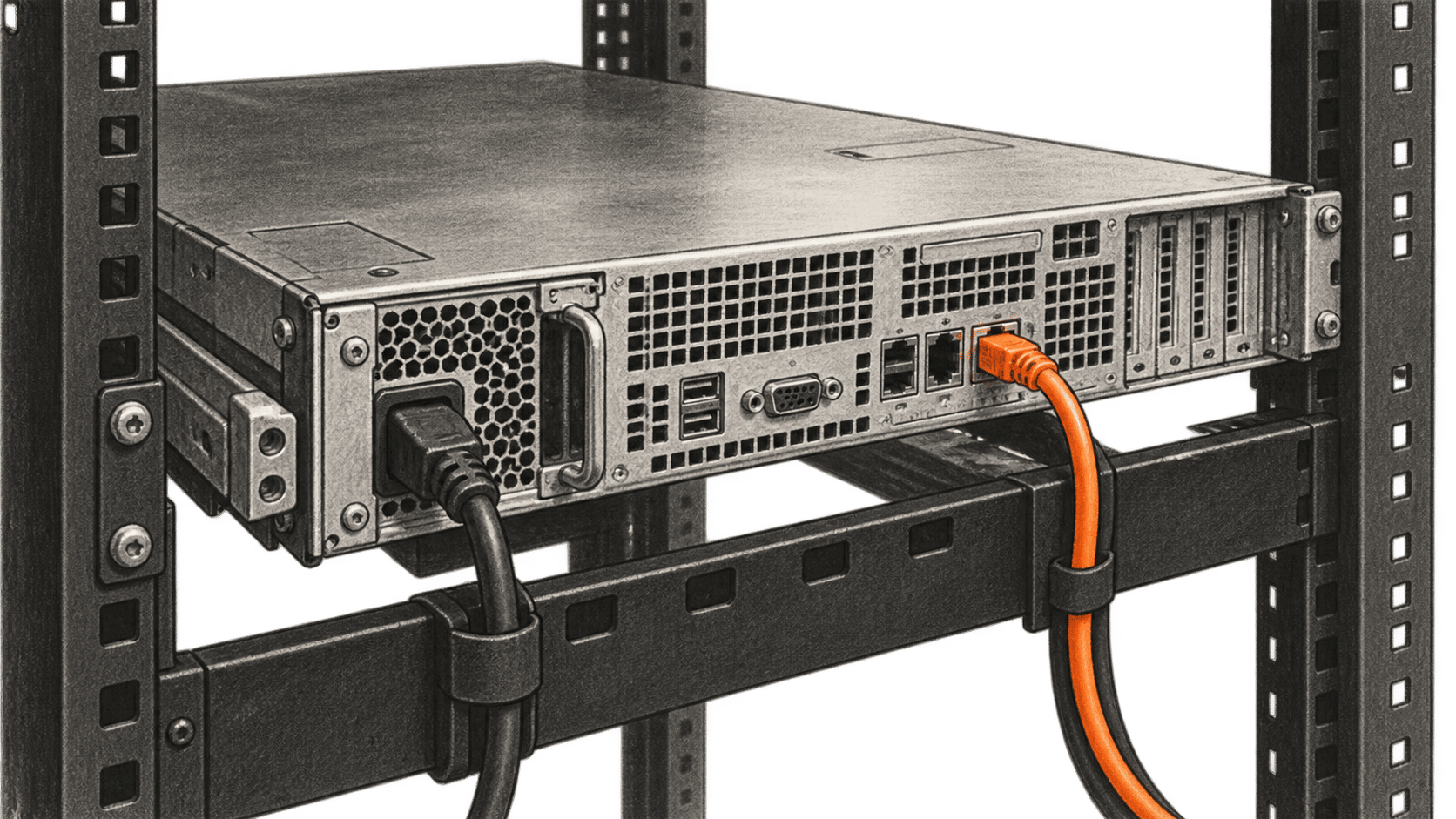
Intel's Xeon inference containers leave security and workload testing to users

Intel's new Inference Microservices select a Xeon serving profile for one model per container. Developers still need to secure the HTTP endpoint and test their workload.

The big change

What changed: Intel packaged model-specific vLLM configurations in containers that inspect a supported Xeon host and choose a built-in serving profile before exposing a standard API.

Why it matters: An application can call a familiar chat endpoint, but the container does not provide the application's routing, authentication, TLS, model-license compliance or evidence that a particular workload meets its latency and capacity targets.

What to watch: Check whether the required model has a catalog image and a matching profile, then test readiness, response behavior and load on the intended host. Intel lists GPU support, other engines and precisions, a Helm chart and an operator as future work, not features of this first release.

Read the full story
—
Back to the briefing
Original story: analysis

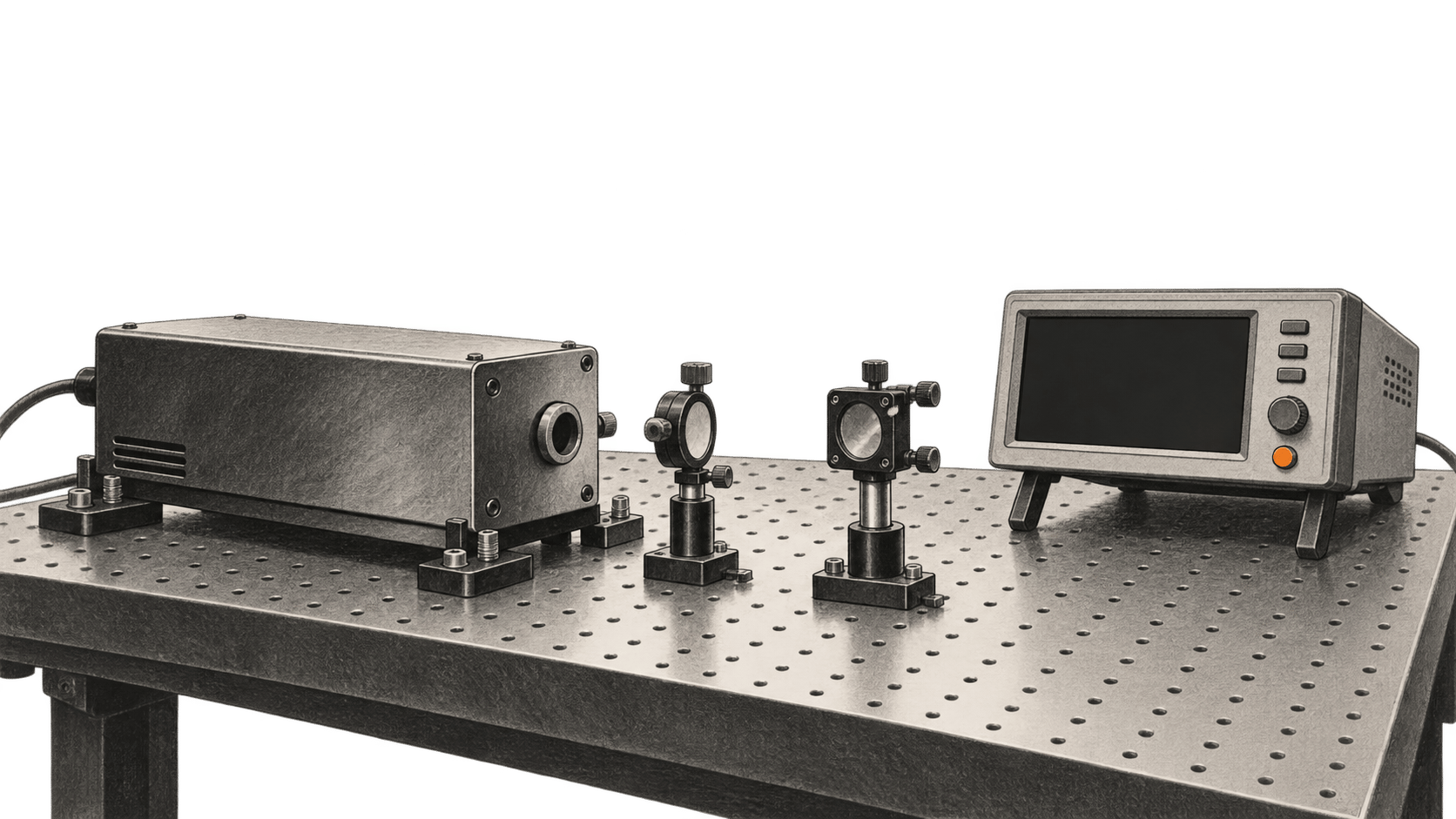
QuEra used AI to develop a laser relocker that runs without it

QuEra reports 695 on-target recoveries in 700 testbed trials of a deterministic laser-relocking script developed with Claude. Its separate tuning workflow still uses AI.

The big change

In its August 27 engineering report, QuEra says Claude used Anthropic's Model Hardware Standard (MHS) to experiment on a dedicated laser testbed and develop a fault-specific relocking script. The script reads instrument state, chooses a recovery path and verifies both a cavity lock signal and the target wavelength. QuEra reports that the finished script recovered the correct lock in 695 of 700 timed trials across seven induced disturbance classes. It calls the relocker a standalone production script, with AI out of its runtime loop. The distinct tuning workflow continues to use AI while it searches feedback settings. These are testbed results; QuEra describes deployment on live quantum processors as a next step.

Read the full story
—
Back to the briefing