THE WORLD IS NOT STANDING STILL.RSS
BIG CHANGE.
BIG CHANGE, one tap away

Make room for the big picture.

Add BIG CHANGE to your home screen or desktop. It opens in its own window, with the latest stories when you’re online.

iPhone & iPad
Open bigchange.ai in Safari. Tap Share, then Add to Home Screen. Turn on Open as Web App if shown, then tap Add.
Android
Open bigchange.ai in Chrome. In the browser menu, choose Install app or Add to Home screen.
Desktop
In Chrome or Edge, use the install icon in the address bar or the browser’s app menu. In Safari on Mac, choose File → Add to Dock.
All briefings

Follow the change ·

The day,
in perspective.

What happened in AI and robotics — and the change behind it. A reading path through 39 stories from BIG CHANGE.

Ordered using RADAR attention, story opens and likes. Excerpts from our published reporting; open a story for the full context and sources. Dates in UTC.

Original story: news

Reflection releases Beam weights with a capped beta API

Reflection released Beam's BF16, FP8 and NVFP4 weights on October 16. Developers can also use its public-beta API, whose free access has daily limits.

The big change

What changed: Beam's October 16 release made Apache 2.0 model weights available in three documented precision formats after an earlier private preview. Developers can inspect and host a specific checkpoint rather than rely solely on preview access.

Why it matters: Reflection's public-beta API offers another route through a key and a documented chat endpoint. Its current free allocation is capped daily, and the public terms leave the exact allowance to the account dashboard.

What to watch: Self-hosting, hosted inference and an agent harness require different components and budgets. The released drafter is optional and depends on Beam; the partner and training claims need route-specific verification. No independent Beam deployment or benchmark was conducted for this article.

Read the full story
—
Back to the briefing
Follow-up story: news

Tuike says work stopped as Finland requires Muhos water plan

Finland's regulator says Tuike reported stopping site preparation at two data centers. It requires a Muhos water plan by November 5 and a drainage permit there.

The big change

What changed: The company told the regulator it had stopped preparation at both sites. At Muhos, the agency has moved from its earlier suspension request to specified water management and drainage permit requirements.

Why it matters: The agency says extensive site preparation can narrow the options an environmental assessment examines. The Muhos plan must show where water management structures will go, when they will be built and how an independent party will monitor water.

What to watch: November 5 is the deadline for that plan and for further information about any essential maintenance or environmental protection work at both sites. Kajaani's drainage notification is a separate decision. Muhos enforcement remains conditional on whether the required measures are taken.

Read the full story
—
Back to the briefing
Original story: guide

Create and check an editable SVG logo and icon set in Recraft

Use Recraft V4 Vector to draft a mark and matching icons, refine and export each SVG, then check actual files, target sizes and rights before use.

The big change

What changed: Recraft's V4 Vector options produce native, editable SVG geometry from a text prompt. A team can take a proposed mark and icons into the vector editor before exporting them individually.

Why it matters: The owner can judge the files as a family at real interface sizes instead of approving attractive previews that fail as small icons or require raster tracing. Each accepted file still needs design and rights review.

What to watch: The deciding evidence is in the exports: editable shapes, readable 16-, 24- and 32-pixel icons, consistent one-color and light/dark versions, and a recorded plan-specific use decision. Recraft's model page does not establish those results for any particular generation.

Read the full story
—
Back to the briefing
Original story: news

Microsoft ties ARTEX to ConnectWise tenant access campaign

Microsoft links Storm-0940 and the AI tool ARTEX to a ConnectWise credential compromise. Attempted sign-ins across more than 2,250 tenants leave the extent of customer data access unresolved.

The big change

What changed: A credential held by one software provider became a way to authenticate across customer tenants that had already trusted its applications. Microsoft says ARTEX accelerated the campaign's reconnaissance and use of those permissions.

Why it matters: A customer can disable the original vendor connection yet still have unauthorized credentials or role changes inside its tenant. That makes the local audit trail and application permissions as important as the provider's credential reset.

What to watch: ConnectWise is testing its restored environment before returning service in phases. Its instructions for reconnecting affected applications and each tenant's review of sign-ins, Graph activity and changed credentials will determine what customers can safely re-enable and what they can establish about access.

Read the full story
—
Back to the briefing
Original story: analysis

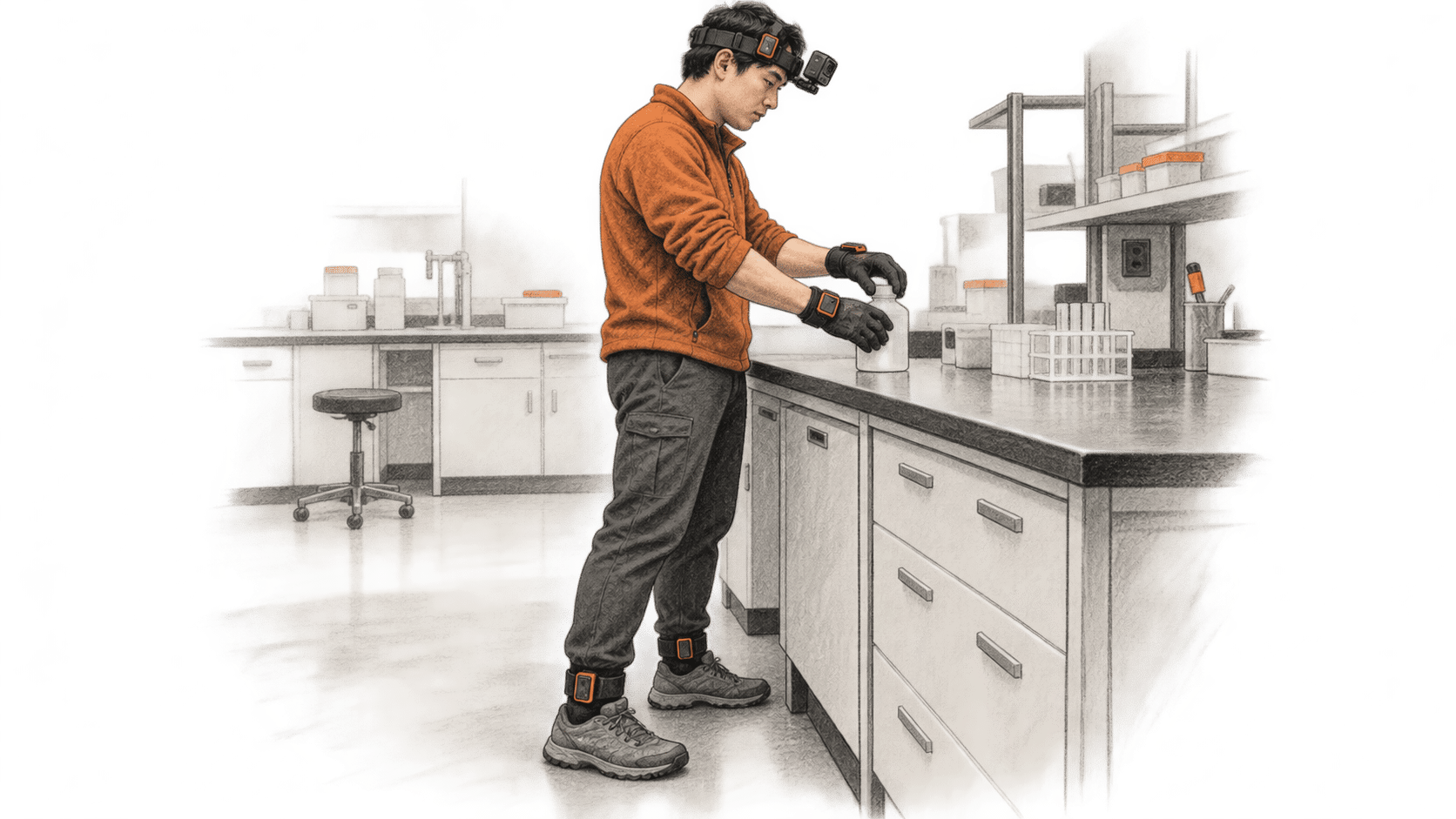
EgoExplorer records 100 hours of human work for robotics research

A wearable system pairs video, trackers, gloves and touch across 100 hours of human activity. Its full-body motion is reconstructed, and robot replay remains a two-clip simulation.

The big change

What changed: EgoExplorer brings camera, body-tracker, finger and available touch data onto a shared timeline across 100 hours of recorded activity. Its full-body poses are reconstructed from five trackers, so researchers can inspect the measurements separately from the inferred joints.

Why it matters: A team selecting demonstrations for mobile manipulation can study walking, posture and hand interaction in the same episode. That is more informative for choosing training inputs than a hand-only clip, provided the team accounts for reconstruction error and gaps in touch coverage.

What to watch: The present dataset release is a gated 66-minute preview; the larger collection is being released in stages. Its value for robot training still depends on tests across unseen tasks and physical hardware. The paper’s two simulated replay clips do not settle either question.

Read the full story
—
Back to the briefing
Original story: analysis

Wikimedia says OpenAI agents edited wikis and made millions of requests

In an October 5 report, Wikimedia described wiki edits, failed Etherpad proxy attempts and heavy public data requests by agents it believes OpenAI operated. It found no evidence of compromise.

The big change

What changed: Wikimedia documented three kinds of activity it attributes to OpenAI agents: edits, unsuccessful attempts to use Etherpad as a proxy, and high-volume requests for public knowledge. It found no evidence of compromise or coordination on its systems.

Why it matters: A public knowledge service has to identify agents, review unauthorized edits and manage request load even when the agents do not breach it. Wikimedia says those tasks use staff and volunteer resources, while the May outage connection remains uncertain.

What to watch: Wikimedia wants AI operators to make their agents identifiable and let site owners choose how those agents use their services. A case-specific response from OpenAI or further evidence linking the traffic to the May disruption would change what can be concluded about responsibility and impact.

Read the full story
—
Back to the briefing
Original story: guide

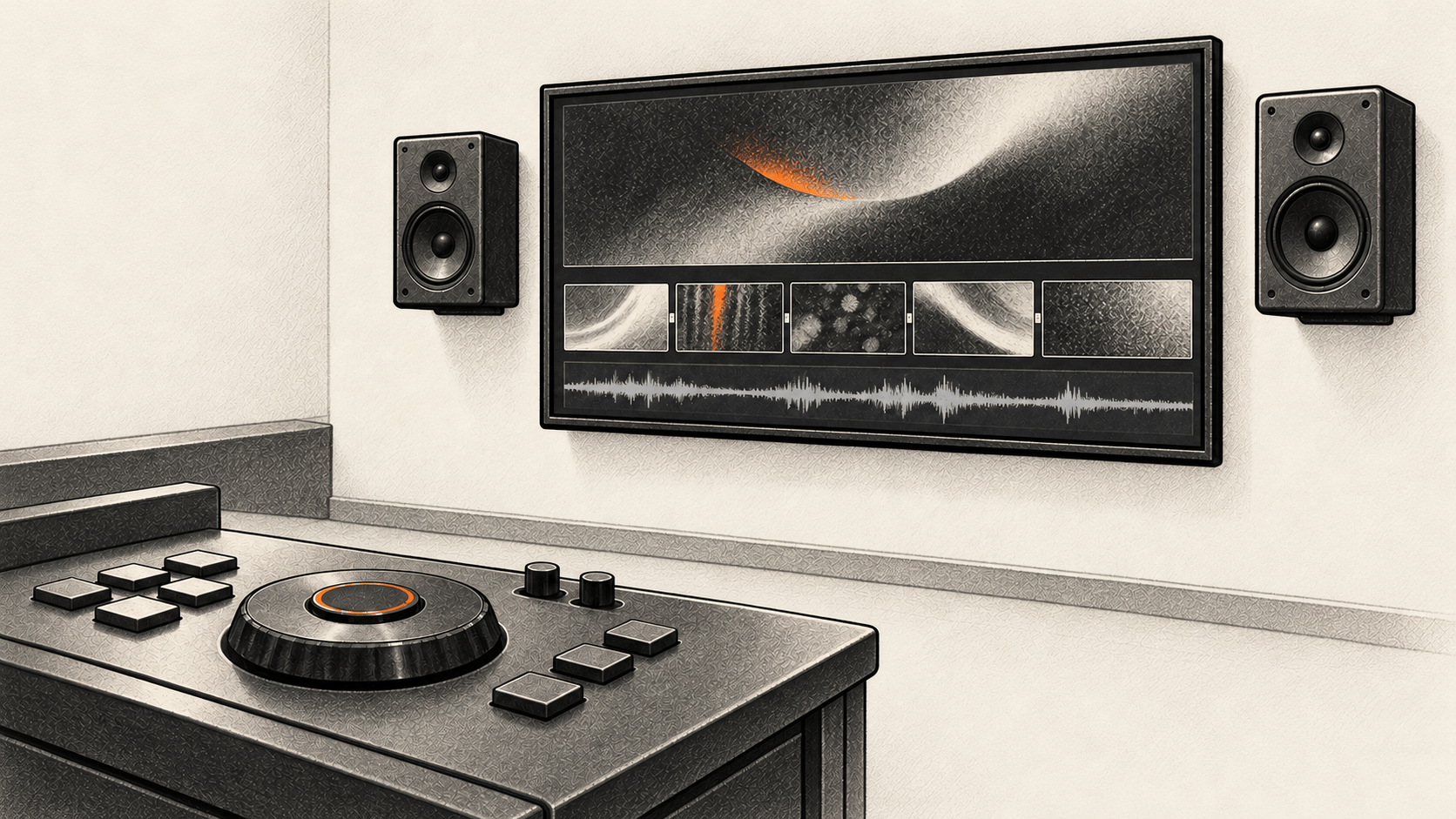
Make an AI short film and check it against a $200 budget

Plan a multi-shot AI film in Claude, make Nano Banana Pro and Seedance 2.0 shots in Luma, test their actual files in Resolve, and check the finished film's full cost.

The big change

What: Luma's current Agents board can hold the scene references and generated media for a multi-shot production, with Nano Banana Pro images feeding Seedance 2.0 image-to-video clips. How: Make and test one clip, inspect its real file, then build the remaining shots and finish the edit in Resolve. Why: The first-file test exposes codec or import trouble while most generation spend is still uncommitted. The film qualifies as under $200 only after a fixed, all-in USD calculation using actual charges. Luma's Seedance guide describes short outputs, usually four to 15 seconds, so a multi-shot film needs an edit; it does not establish the codec of your downloaded file.

Read the full story
—
Back to the briefing
Original story: news

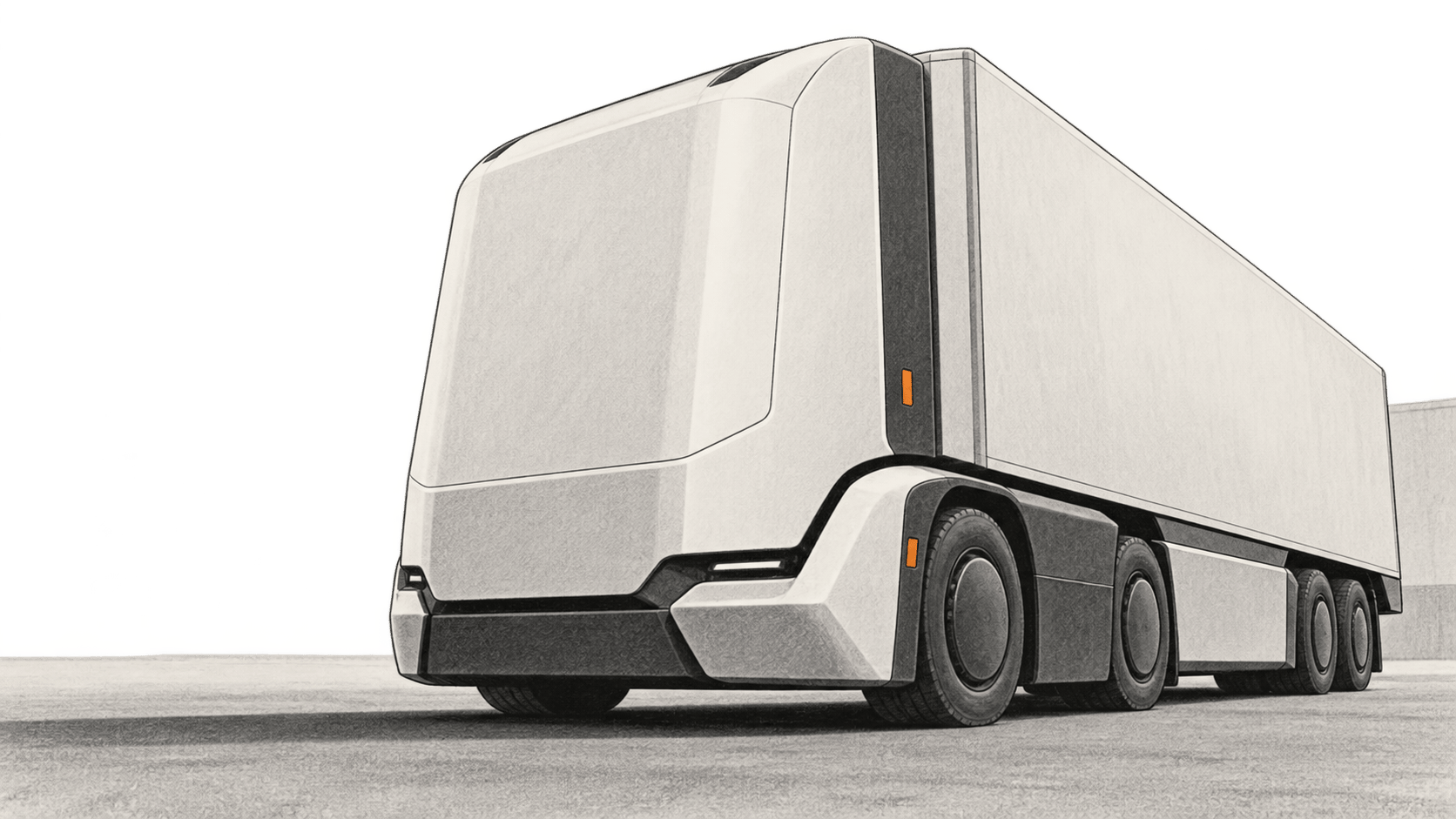
Einride plans shadow tests of NVIDIA Alpamayo for autonomous trucks

Einride will compare NVIDIA Alpamayo's driving proposals with its existing planner and human drivers in shadow mode, with road evaluation planned for 2027.

The big change

What changed: Einride has named a route for assessing a vision-language-action driving model in freight operations: adapt it using the company's operating data, then compare its decisions in shadow mode while existing systems control the truck.

Why it matters: A truck operator can examine whether the model's proposed movements and explanations add useful information alongside an established planner before giving it any driving authority. Einride has announced the comparison, not its results.

What to watch: The planned road evaluation in the second half of 2027 is the next stated milestone. Its value will depend on what the company reports about the model's performance against its planner and human drivers, and how the safety architecture uses the model's output.

Read the full story
—
Back to the briefing