THE WORLD IS NOT STANDING STILL.RSS
BIG CHANGE.
BIG CHANGE, one tap away

Make room for the big picture.

Add BIG CHANGE to your home screen or desktop. It opens in its own window, with the latest stories when you’re online.

iPhone & iPad
Open bigchange.ai in Safari. Tap Share, then Add to Home Screen. Turn on Open as Web App if shown, then tap Add.
Android
Open bigchange.ai in Chrome. In the browser menu, choose Install app or Add to Home screen.
Desktop
In Chrome or Edge, use the install icon in the address bar or the browser’s app menu. In Safari on Mac, choose File → Add to Dock.
All briefings

Follow the change ·

The day,
in perspective.

What happened in AI and robotics — and the change behind it. A reading path through 50 stories from BIG CHANGE.

Ordered using RADAR attention, story opens and likes. Excerpts from our published reporting; open a story for the full context and sources. Dates in UTC.

Original story: guide

Create a Suno song with your own verified voice and check the result

Record and verify your own vocal in Suno Voices, select it for a song, then compare the generated singer with your source recording while checking access, credits and rights.

The big change

What changed: Suno’s verified Voices workflow remains available as the service moves new songs to its v6 model family.

Why it matters: A creator can select a saved profile of their own voice for a song, then judge the returned vocals against the original recording.

What to watch: Access, Voice and model compatibility, the displayed credit cost and the final likeness depend on the actual account and result.

Read the full story
—
Back to the briefing
Original story: analysis

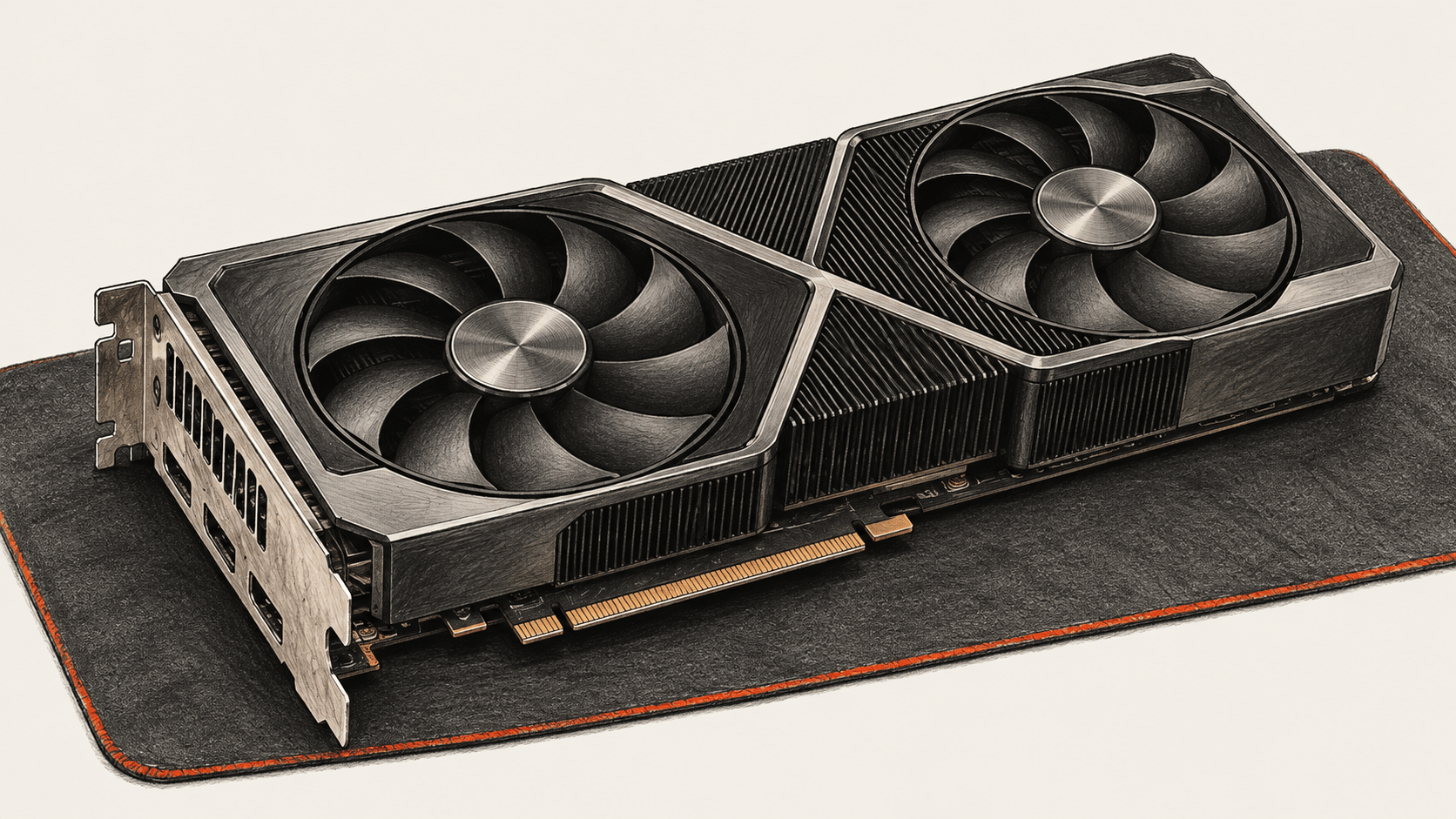
GPU Unlock benchmark gains depend on card and workload

Contributor tests show large matrix gains on some RTX 30 cards, smaller local-model prefill gains, and nearly flat decode. The tested-card table includes a BF16 exception.

The big change

What changed: A community module reports a higher rate for a particular kind of matrix instruction on some Ampere GeForce cards. Its October 24 compatibility table distinguishes tested successes from an accepted card that showed no BF16 gain.

Why it matters: Engineers serving local models can see gains when prompt processing spends enough time in affected matrix kernels. Contributor reports put measured prefill gains well below the largest dense-matrix result, and generation speed barely moved in the cited LLM tests.

What to watch: The useful comparison is a measured workload on the exact card, software stack and power limit. The table's untested entries and failed BF16 result prevent its reported successes from becoming a promise across the RTX 30 series.

Read the full story
—
Back to the briefing
Original story: analysis

Gemini API CLI lets coding agents preview requests before using a key

Google's beta Gemini API CLI gives existing coding agents a schema and offline request preview. The dry run cannot establish live model access, cost or results.

The big change

What changed: The version-pinned README documents a command interface that exposes flags, machine-readable usage, bundled request schemas and an offline dry run. An agent can use that interface to assemble a request for developer review before an API key enters the workflow.

Why it matters: A model call, media generation or managed-agent run may involve different inputs, output handling and charges. Previewing the resolved request lets a developer catch an unexpected model, payload or destination before deciding to make the call. This is our reading of the documented interface, not a measured reduction in mistakes.

What to watch: The dry run makes no network call and does not read the OS keychain, according to Google. It therefore cannot establish live model access, quota, billing status, latency, safety behavior or result quality. Those require separate account checks and, if justified, an authorized real request.

Read the full story
—
Back to the briefing
Original story: news

MiniMax reports export registration for unnamed AI models

MiniMax reports export registration for models it did not name.

The big change

What changed: MiniMax reports registration covering some recent and upcoming models. Its filing identifies neither the models nor a ministry receipt, so the procedural claim does not establish a usable release.

Why it matters: Registration describes a technology export, with a recipient and intended use; it does not tell overseas developers which MiniMax model they can obtain or on what terms. The ministry's future-regime explanation also treats overseas deployment differently from access through a service, making the supply route material.

What to watch: November 15 closes comments on proposed catalog additions, not temporary registration. Registration runs until a revised catalog is formally implemented; only then does the ministry's separate explanation of future deployment and service-access scope apply.

Read the full story
—
Back to the briefing
Original story: news

Dayforce plans to buy Ribbon AI and bring interview scores into recruiting

Dayforce agreed to buy Ribbon AI. Its configurable interview scores and integrity signals call for recruiter scrutiny; benefits of a combined product remain unverified.

The big change

What changed: Dayforce's purchase agreement puts Ribbon's existing automated first interviews on a path toward Dayforce recruiting after the deal closes. Ribbon already offers the interview and scoring workflow; the announcement does not show how a Dayforce customer would configure or receive its results. The distinction matters to anyone weighing the proposed integration against a product available now.

Why it matters: Ribbon lets employers import questions, weight scoring criteria and give feedback on scores for later candidates in the same role. Its current Workday integration shows how a transcript, score and recording link can reach a recruiter's application record. A score therefore carries choices about the rubric as well as the candidate's answers, and the recruiter has to interpret both.

What to watch: Hiring teams need to examine the criteria behind a score and the interview record behind any integrity flag before using either in a screening decision. Candidates also leave recordings, transcripts and generated scores that Ribbon says it may process; its policy describes…

Read the full story
—
Back to the briefing
Original story: analysis

Agent4Sci: evaluating engineering gains and scientific insight

A power-flow intervention clarifies Agent4Sci’s evaluation boundary.

The big change

What changed: Agent4Sci’s separate scoring and auditing make researchers less dependent on an optimizing agent’s own account.

Why it matters: For electricity-grid models, a prediction must satisfy physical equations and arrive quickly. Evaluating both properties keeps a score connected to the calculation a grid operator needs.

What to watch: The useful next comparison is with established physics-based methods, measuring runtime and plausible solutions together. That connects a promising model change to the requirements of a usable solver.

Read the full story
—
Back to the briefing
Original story: analysis

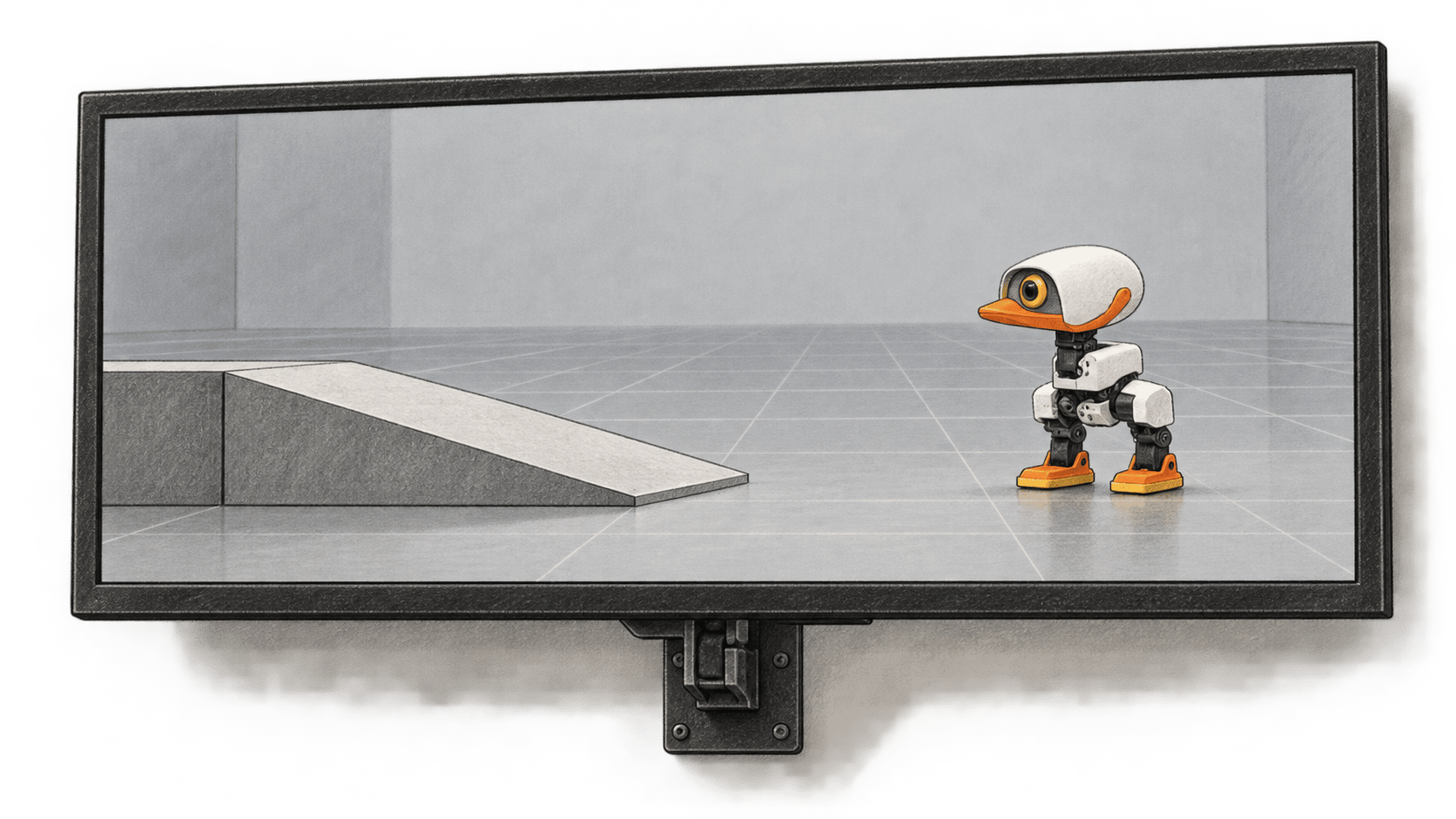
NVIDIA maps Microduck obstacle training from AI agents to simulation

NVIDIA details an agent-to-simulation Microduck workflow and an untested physical handoff.

The big change

What changed: Agent-made course assets can enter a robot-learning task. The handoff is useful because builders can inspect the course objects and the resulting simulation separately, instead of treating a convincing concept image as a working environment.

Why it matters: Robot training depends on what the simulated machine can sense and touch. Isaac Sim's asset checks examine geometry and colliders; Isaac Lab's environment supplies observations, actions and rewards. Errors in those parts can change the task the policy actually learns, even when the course looks right on screen.

What to watch: The adapted obstacle policy still needs a physical test. Simulated motor behavior and varied training conditions can prepare for that step. A hardware result would need to establish that the policy receives the intended sensor values, drives the joints as expected and negotiates the course on the real robot.

Read the full story
—
Back to the briefing
Original story: analysis

NVIDIA's $2,000 software remark leaves the license scope unresolved

Huang's reported software-license figure lacks product and support detail. NVIDIA's published AI Enterprise schedule prices named self-managed and cloud routes.

The big change

What changed: Huang's reported figure gives buyers a price reference to clarify. Its product and terms remain unspecified in the Q&A account.

Why it matters: A per-GPU annual figure is incomplete without the licensed product, deployment route, GPU count and support entitlement. Those details determine which published terms, if any, can be compared with the remark.

What to watch: A written offer or updated schedule specifying the software, eligible hardware, term and support would settle the comparison. The Q&A account alone does not.

Read the full story
—
Back to the briefing