Four Gemini 4 agents beat Minecraft in a 27-hour research run
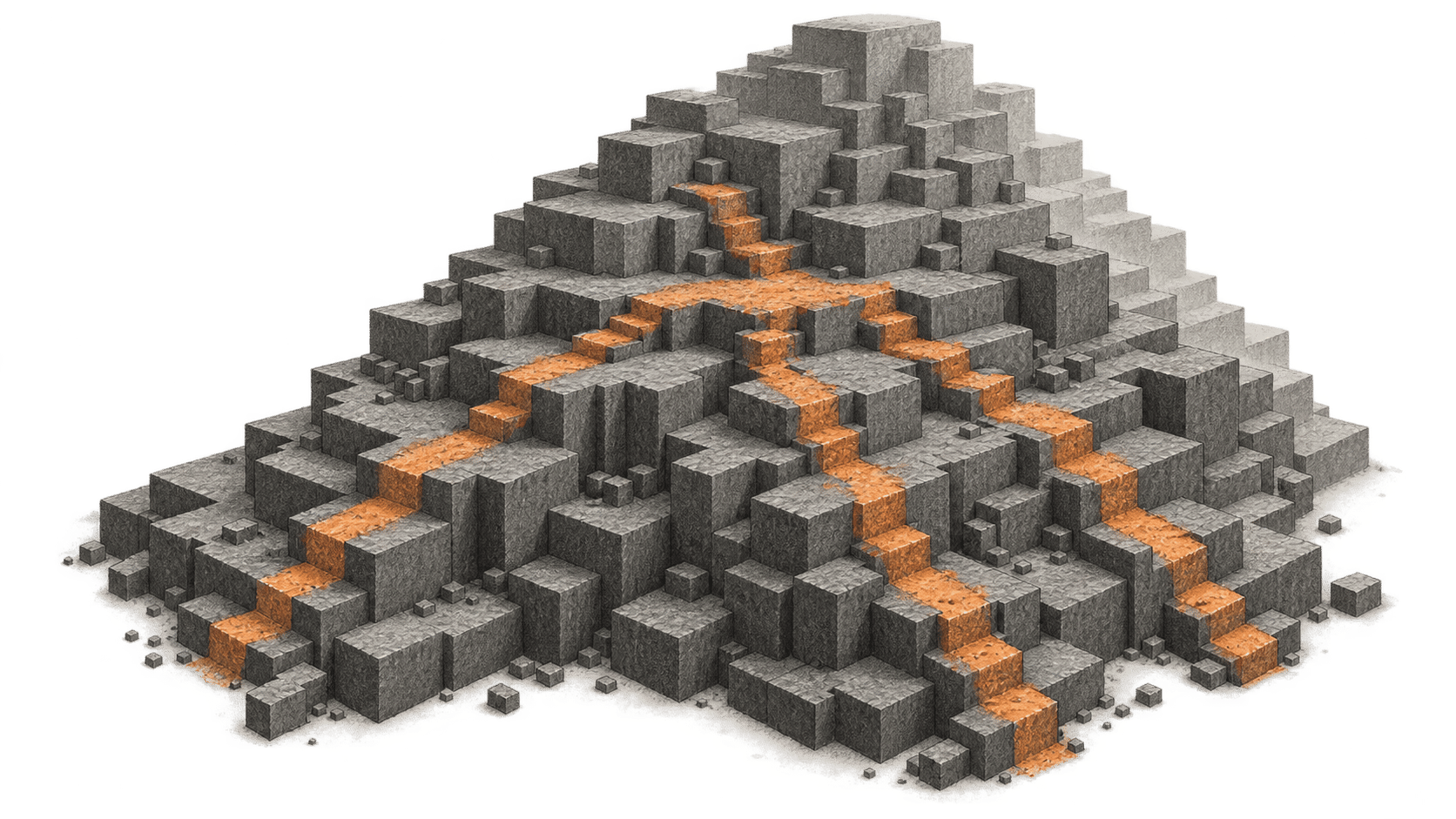
Four Gemini 4 Argon agents defeated Minecraft's Ender Dragon in one 27-hour research run. Mineflayer's game-state access and the single trial limit what the result shows.
Explore BIG CHANGE reporting on spatial AI: what changed, how it works and why it matters.
Four Gemini 4 Argon agents defeated Minecraft's Ender Dragon in one 27-hour research run. Mineflayer's game-state access and the single trial limit what the result shows.
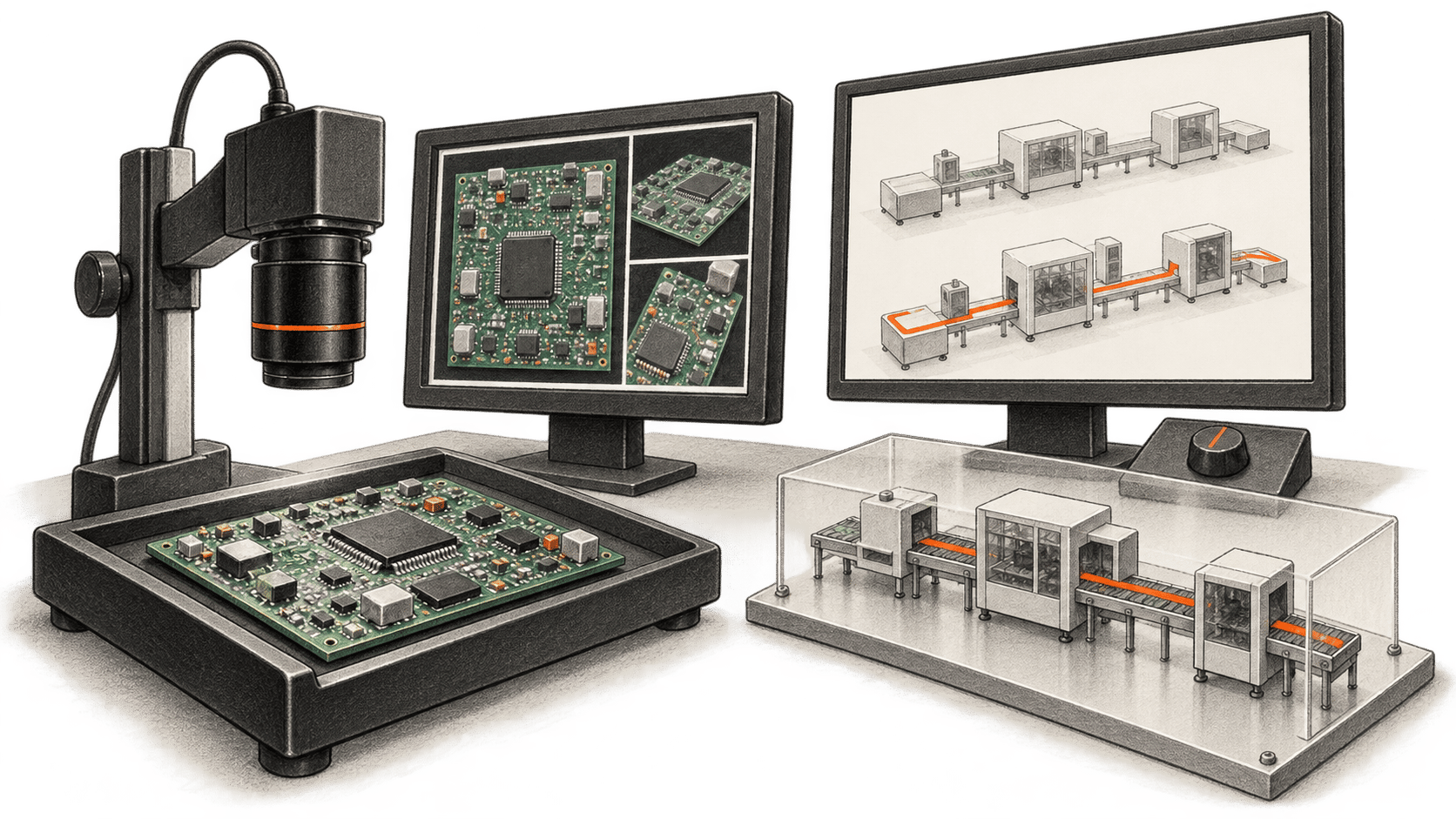
Siemens says AI systems being tested at its Erlangen plant can generate inspection imagery from digital twins and propose production plans for planners to assess. The release describes live production testing, while its productivity figures remain company-reported.
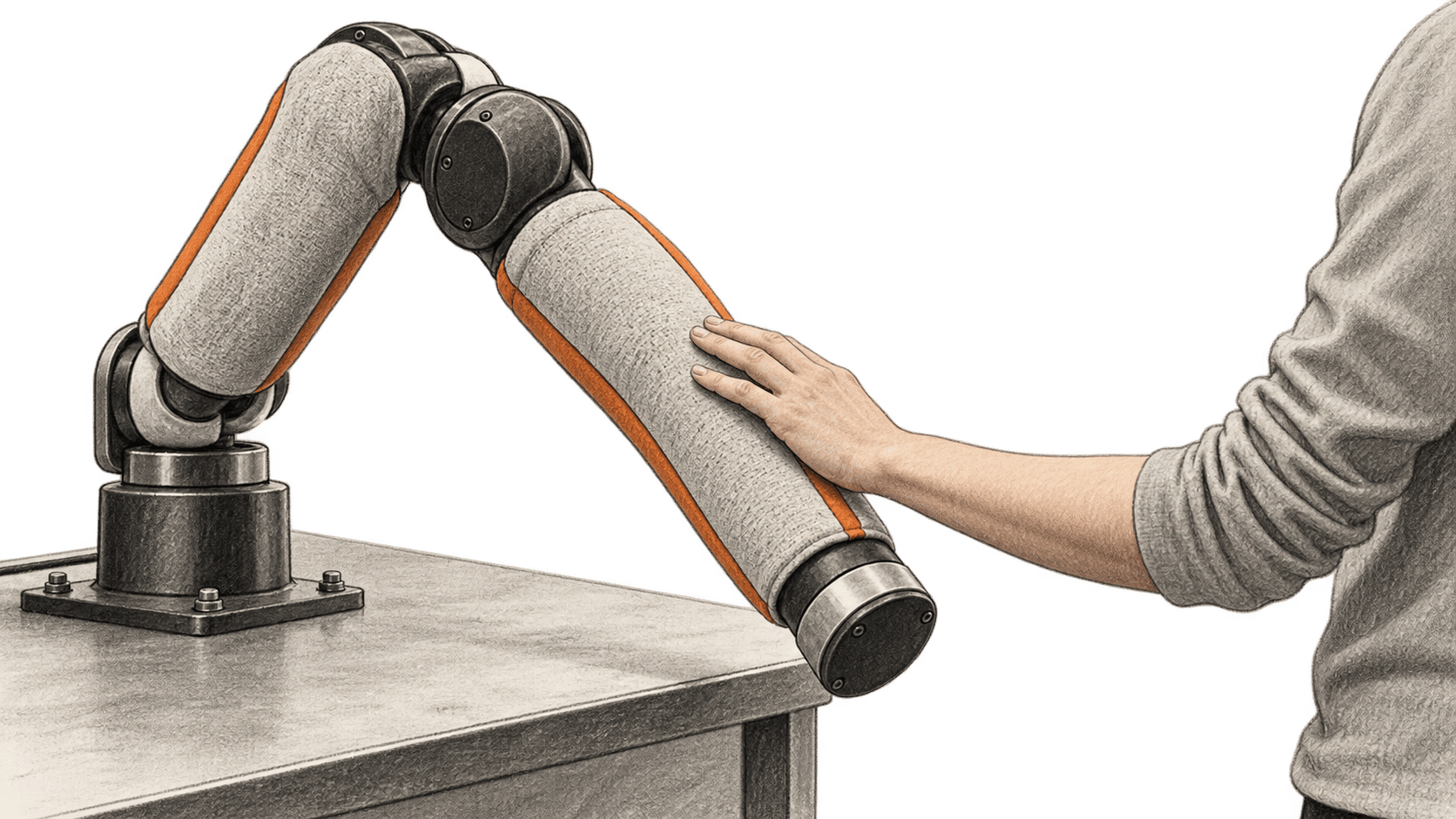
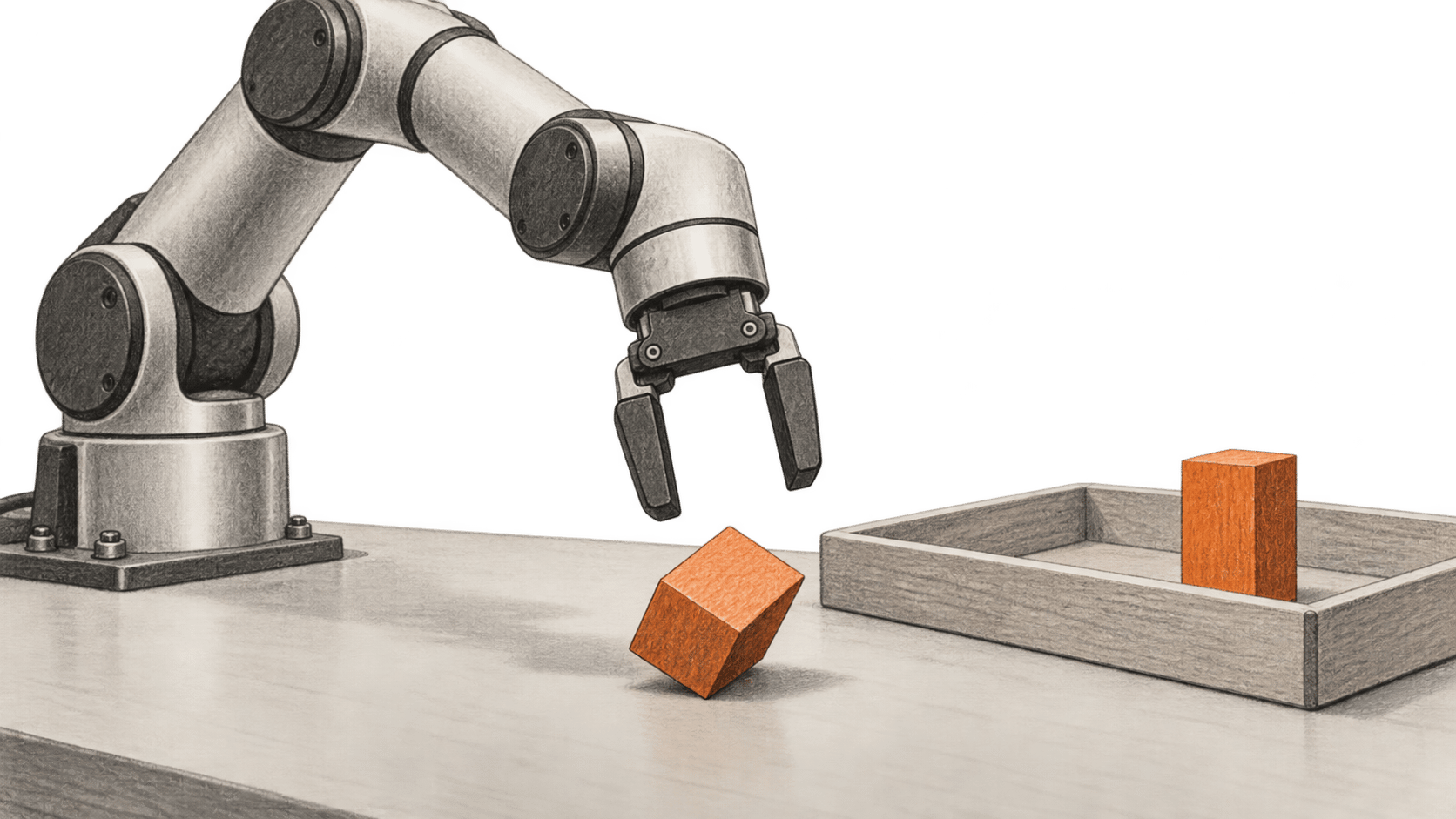
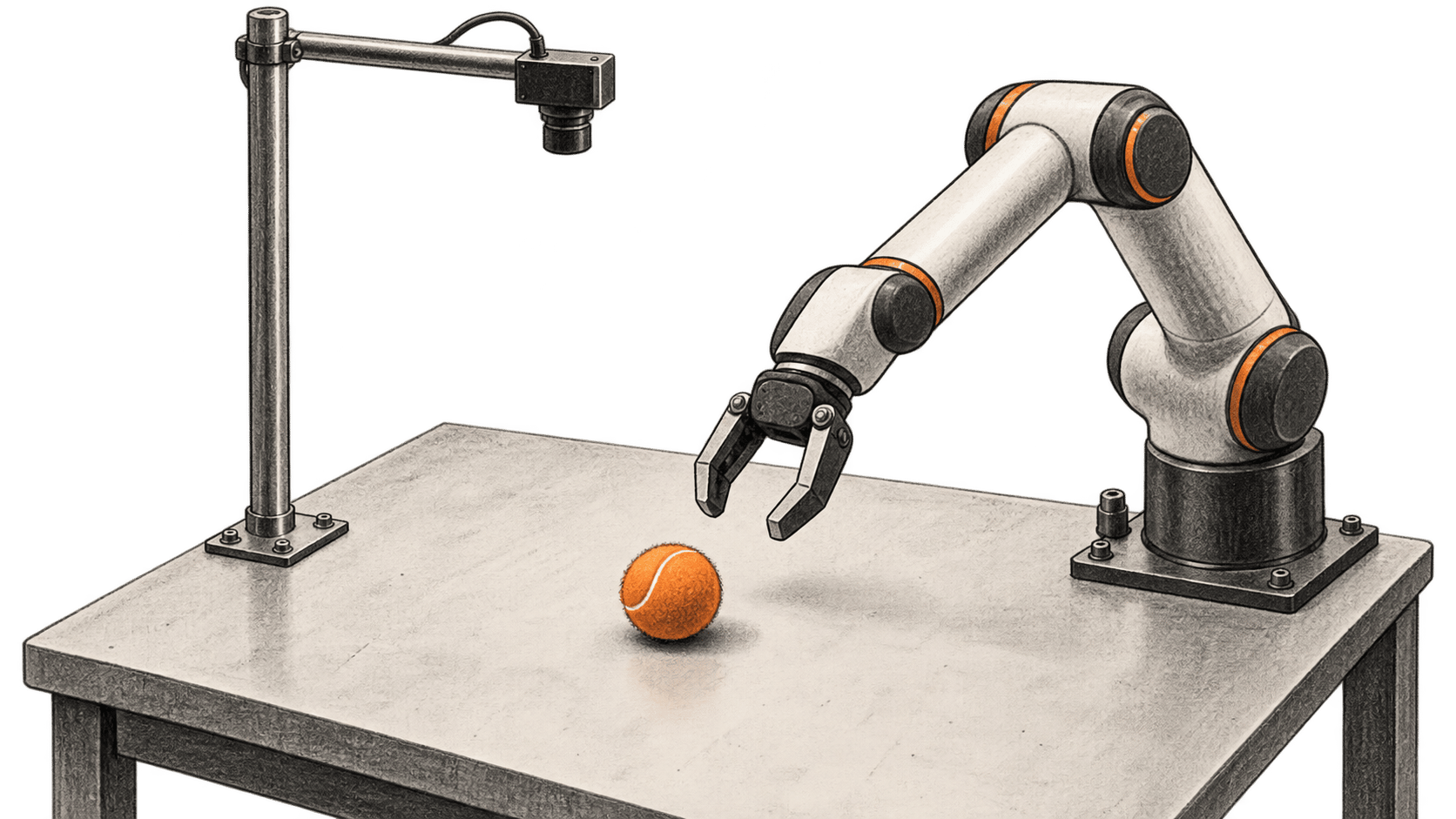
HKUST's EmArm research prototype uses tactile skin and joint sensing to adjust movement. Lab tests cover touch recognition, object balancing and obstacle avoidance; deployment remains untested.
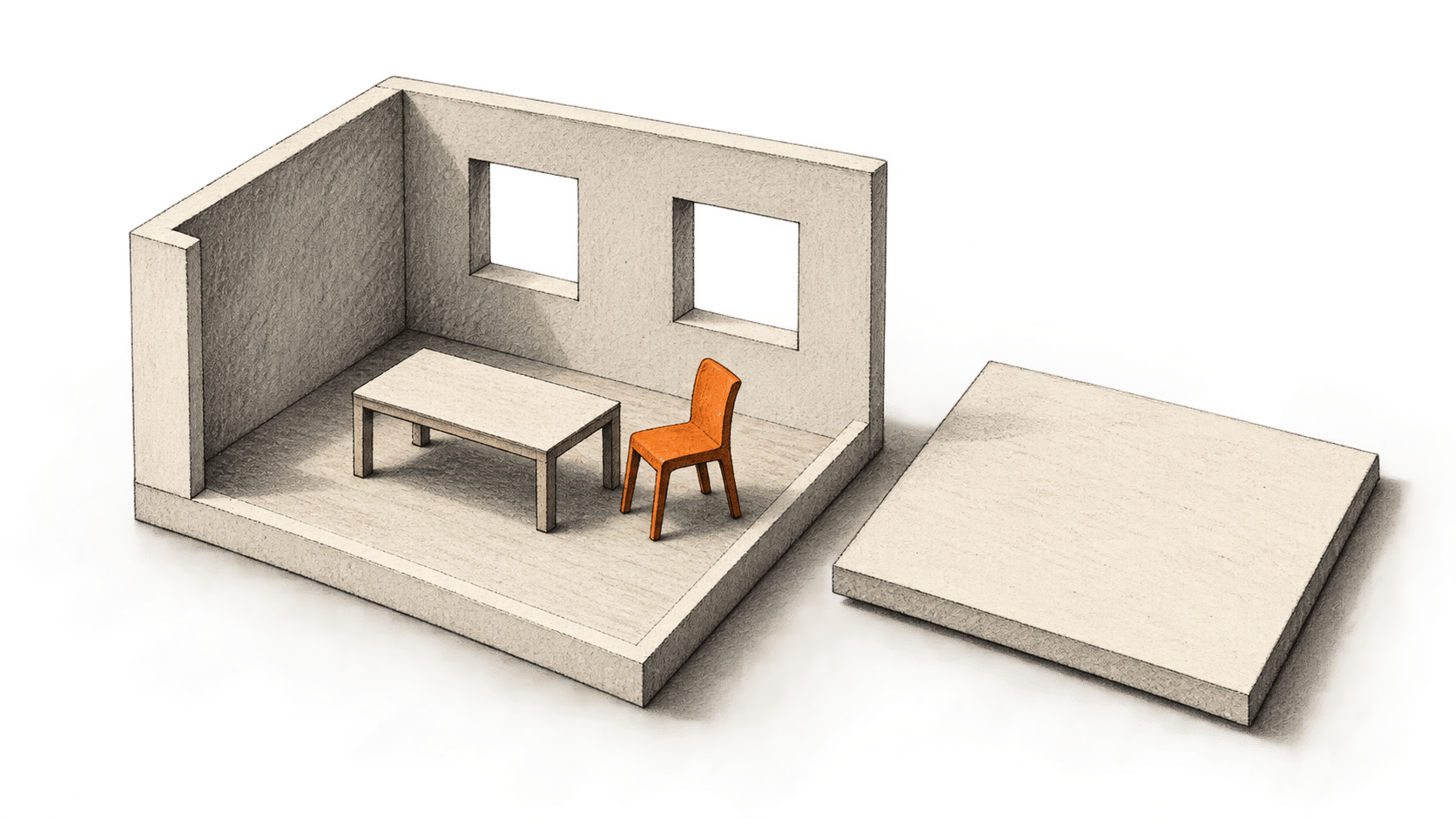
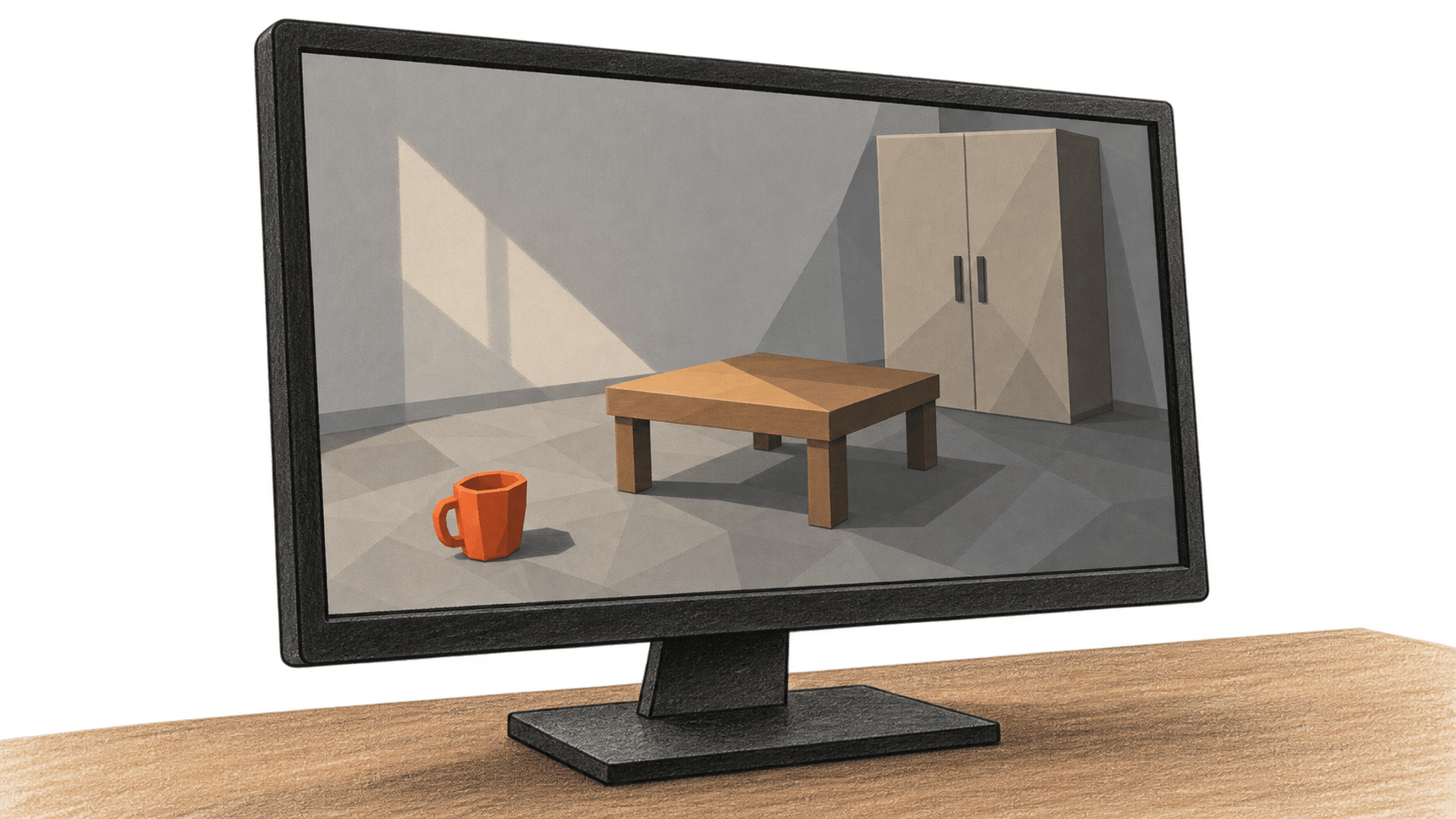
QwenLM's BlenderWorld benchmark asks agents to submit native Blender projects. Its task rubrics and visual judges test different aspects of a 3D scene, with limits for real production use.
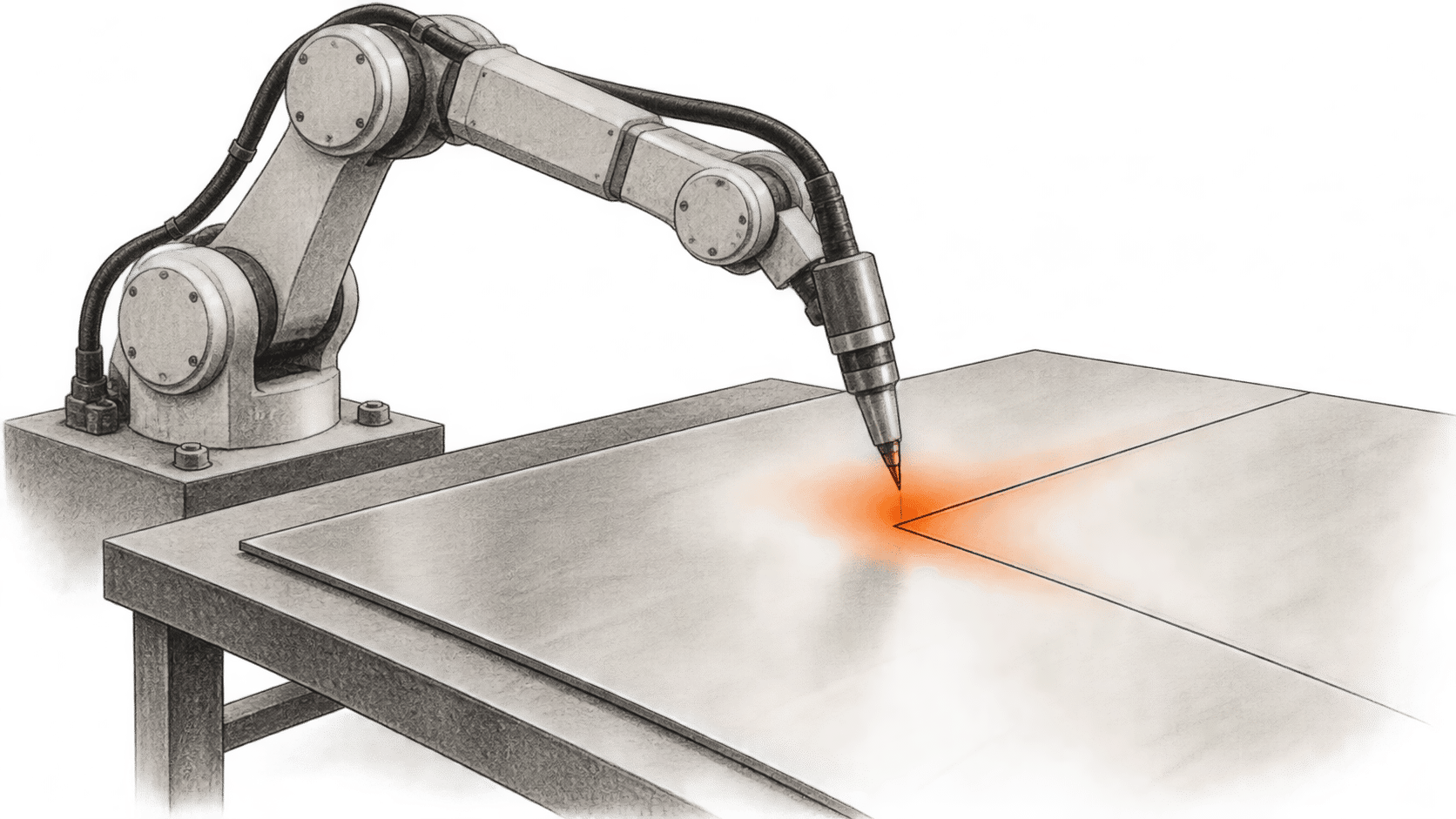
An ISPARK preprint joins a weld-pool model, a fast surrogate and a simulated robot. Its corner test compares modelled widths; physical welding validation remains ahead.
Xiaomi researchers released an audio-language model for spatial questions. Its preprint reports stronger directional benchmark scores with two-channel input, while complex scenes remain difficult.
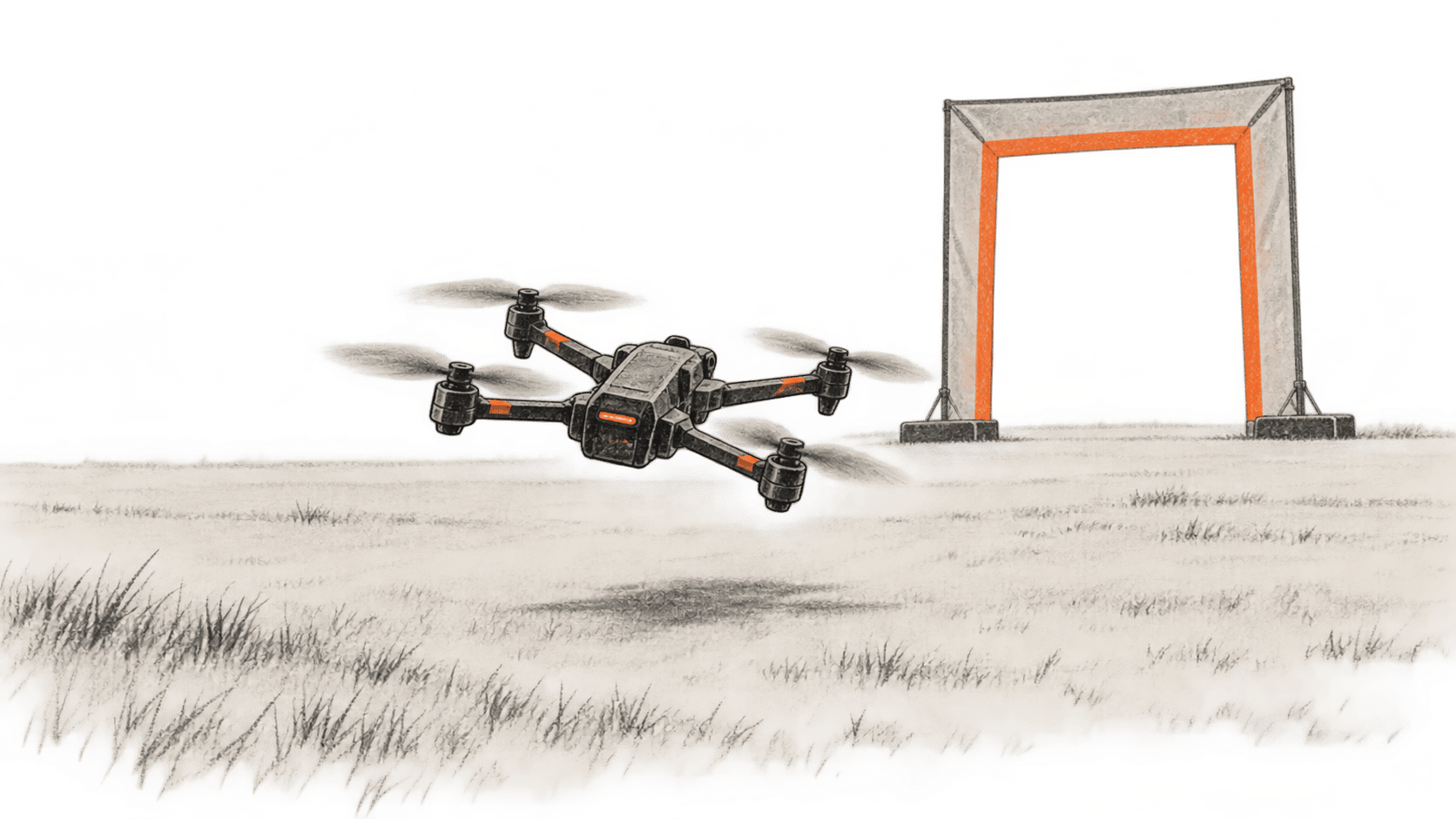
A new Science Robotics paper details the camera, IMU and onboard control behind a 2025 drone racing win. The result is bounded to a known competition course.
Physical Intelligence’s Pi API beta lets selected robot teams upload task data, fine-tune a model on managed infrastructure and use hosted inference. Teams still need their own robots, demonstrations and repeated evaluation.
EmbodiedCLBench tests simulated household tasks. One example boosts advanced-task success in the authors' study, but additional examples bring no steady gain.
An offline training method labels progress in robot trajectories and improves simulated manipulation results under several execution disturbances. Physical-robot reliability remains untested.
H-JEPA's three-level planner raises simulated AntMaze success from 18% to 73% with less planner compute. Its real-robot-video results measure offline path fidelity, not robot task completion.
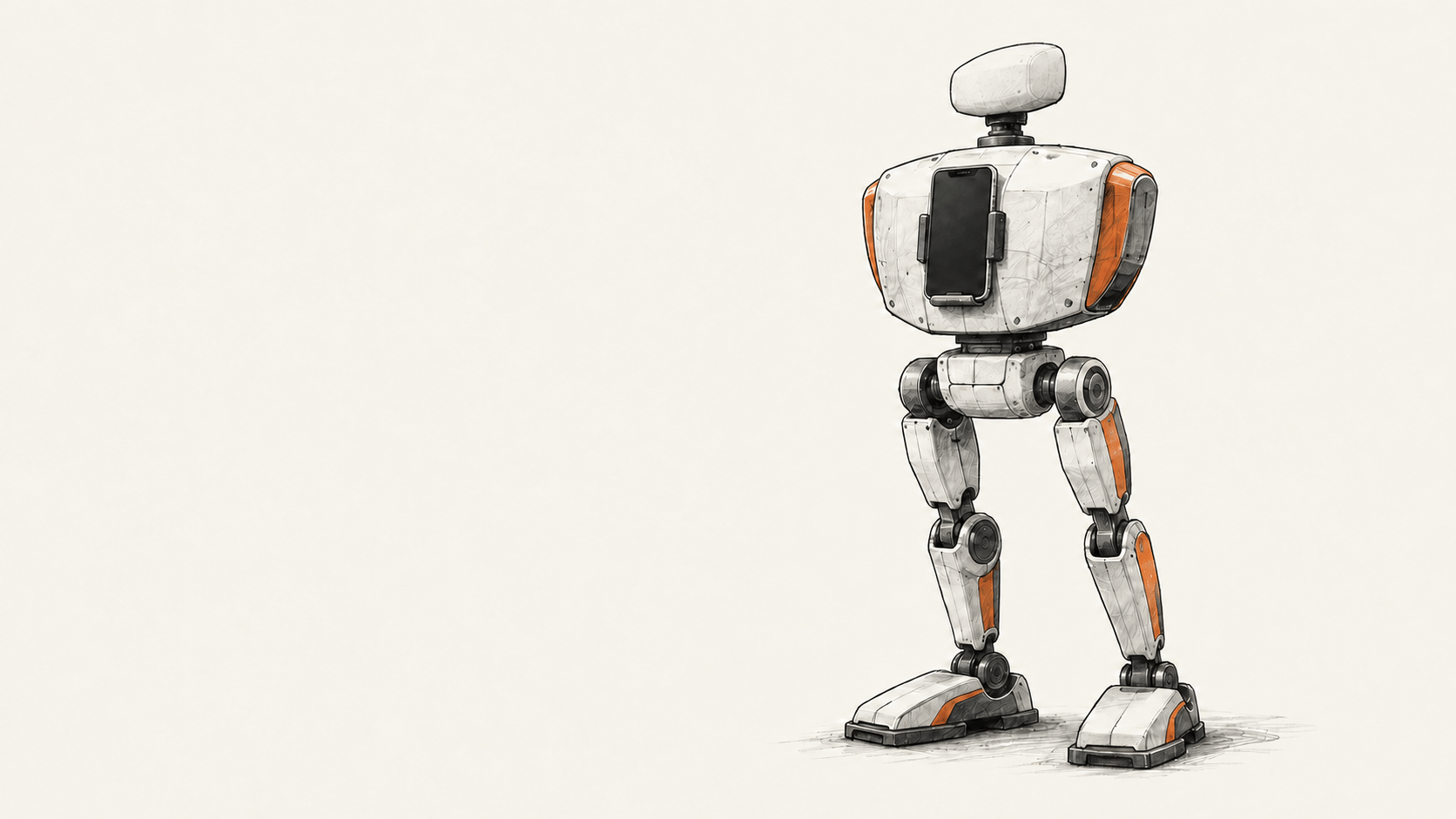
A UCLA team's PhoneBot preprint puts sensing and walking control on an Android phone, while 13 servos and a separate onboard computer still move the prototype.
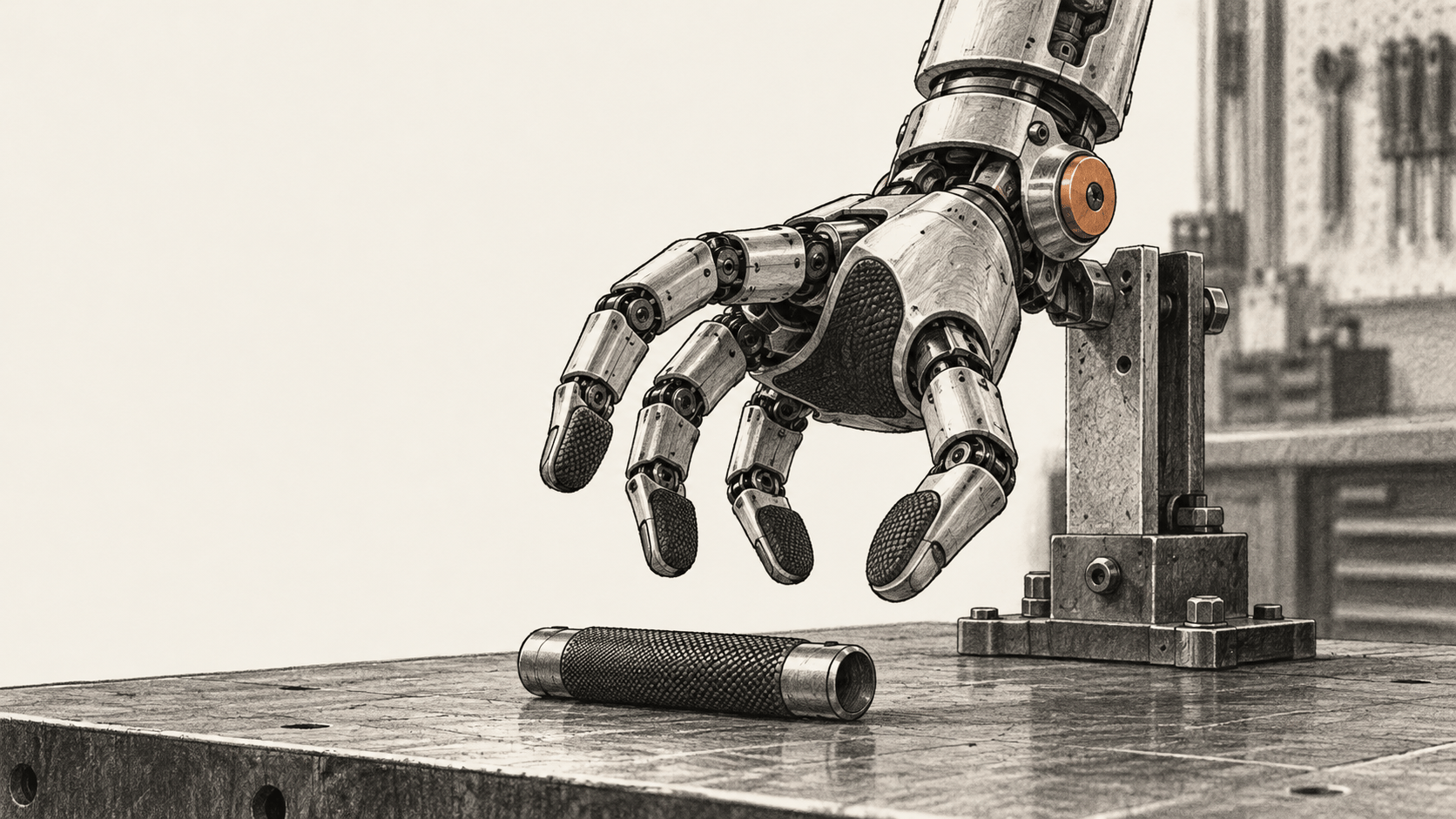
Boston Dynamics’ four-finger Atlas hand pairs 13 degrees of freedom, backdrivable actuation and tactile sensing with reinforcement learning in simulation. The company reports initial transfer results but no benchmark or commercial deployment.
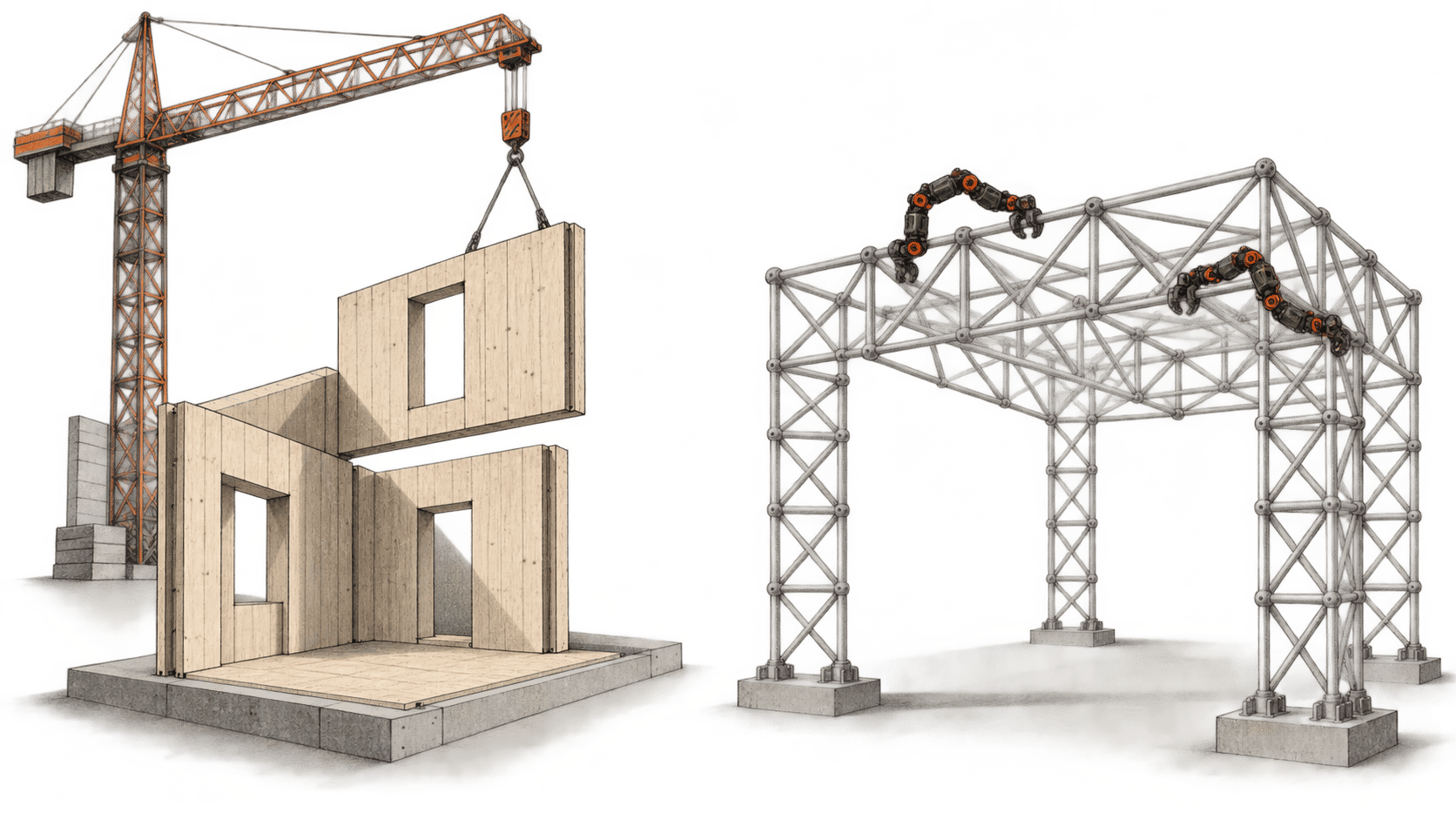
University of Stuttgart researchers have funding for two distinct construction robotics projects beginning in November 2026. SCALAR plans crane-assisted timber assembly; COBRAS plans mobile robot teams for reusable space frames. Neither reports site productivity results.
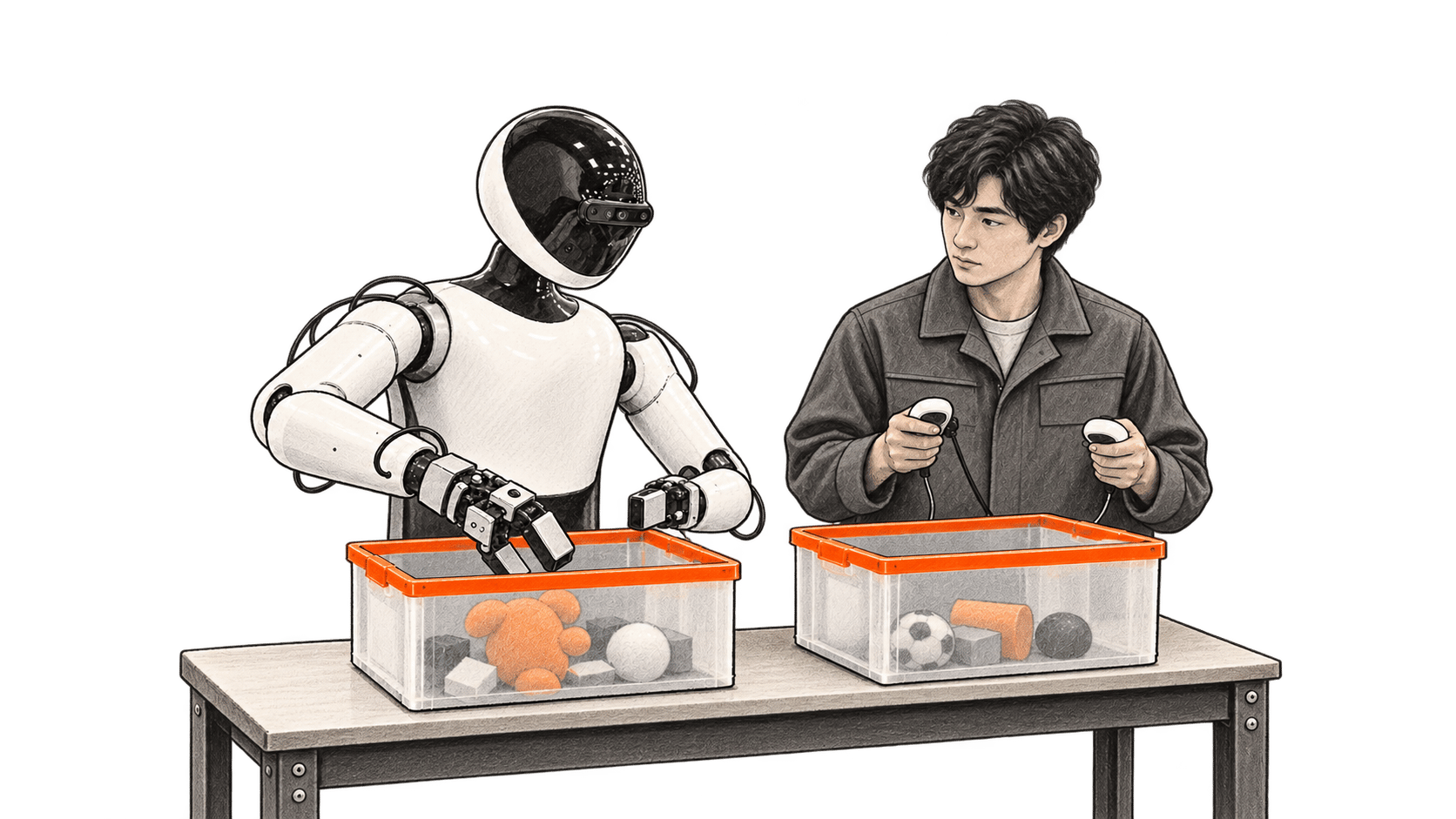
J-HRTI opened a humanoid data facility with 35 robots in August. Japan’s separate ¥387.3 billion FY2026 model program funds research, with no documented grant to the facility.
Runway says Praxis-1 applies video pretraining to robot control. Its placement-error comparison offers a limited signal while public weights and fuller evaluation details remain pending.
AMD agreed to acquire World Labs in an all-stock deal valued at about $8.2 billion. Its spatial-model research could inform the chipmaker’s compute roadmap, but closing and product benefits remain unproven.
Caltech and Stanford researchers show a Unitree G1 using a remembered kitchen map and reusable skills. The release has selected demonstrations but no controlled results, full paper or robot code.