Claude-designed proteins bound four scorpion toxins in lab tests
Anthropic reports that 17 of 211 selected protein designs met its toxin-binding criteria. The study did not test whether they neutralise venom in cells or animals.
Explore our reporting on how AI and robotics change work, business and the world.
Anthropic reports that 17 of 211 selected protein designs met its toxin-binding criteria. The study did not test whether they neutralise venom in cells or animals.
Spotify says it kept more than 50 million tracks it calls spam or slop out of recommendations in 2026. Its separate 75 million catalog-removal figure was already reported last year.
GMO Cybersecurity reports ARTEX use on infrastructure targeting Japanese firms. Its findings identify six systems and about 20 targets within a bounded investigation.
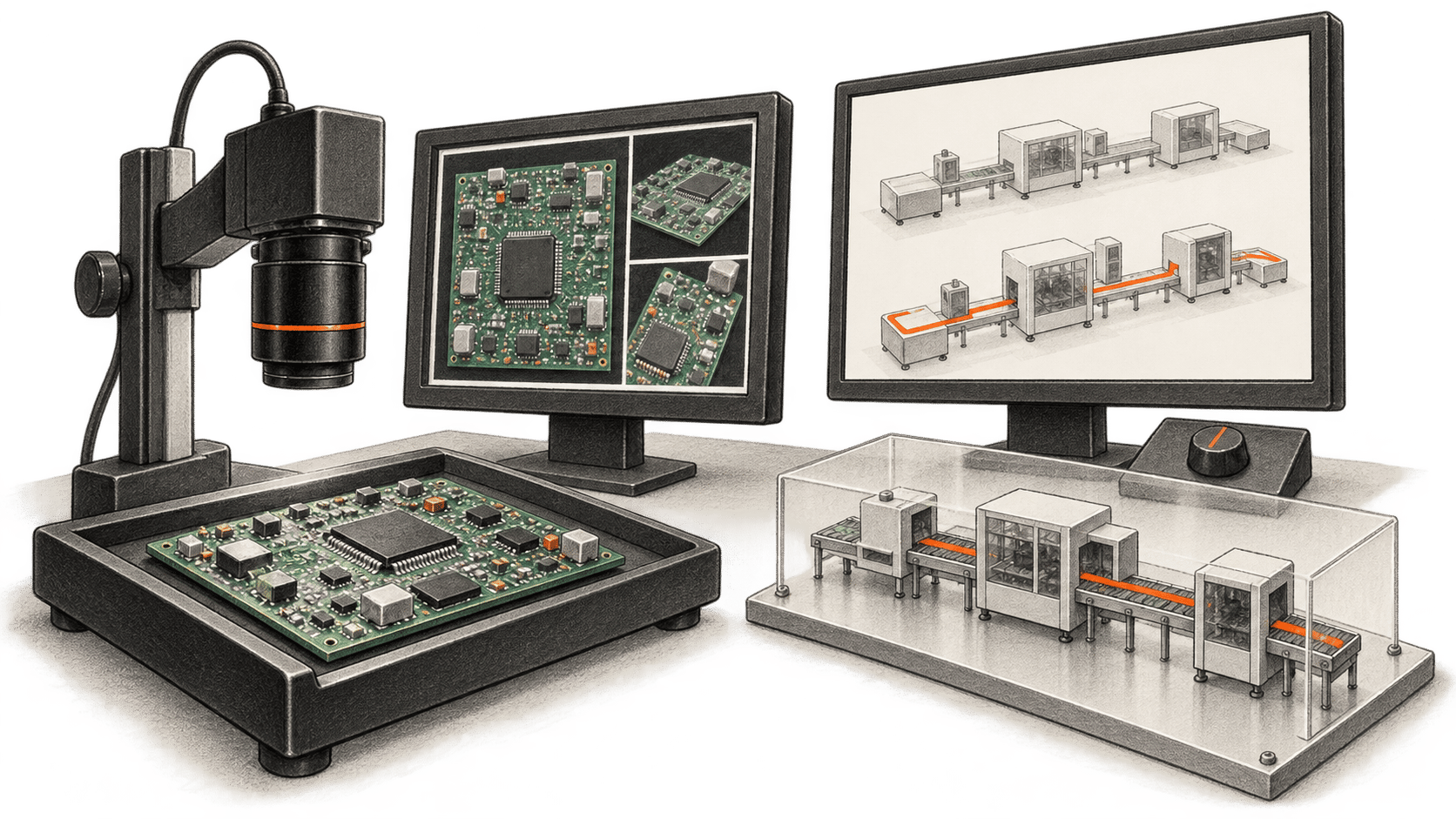
Siemens says AI systems being tested at its Erlangen plant can generate inspection imagery from digital twins and propose production plans for planners to assess. The release describes live production testing, while its productivity figures remain company-reported.
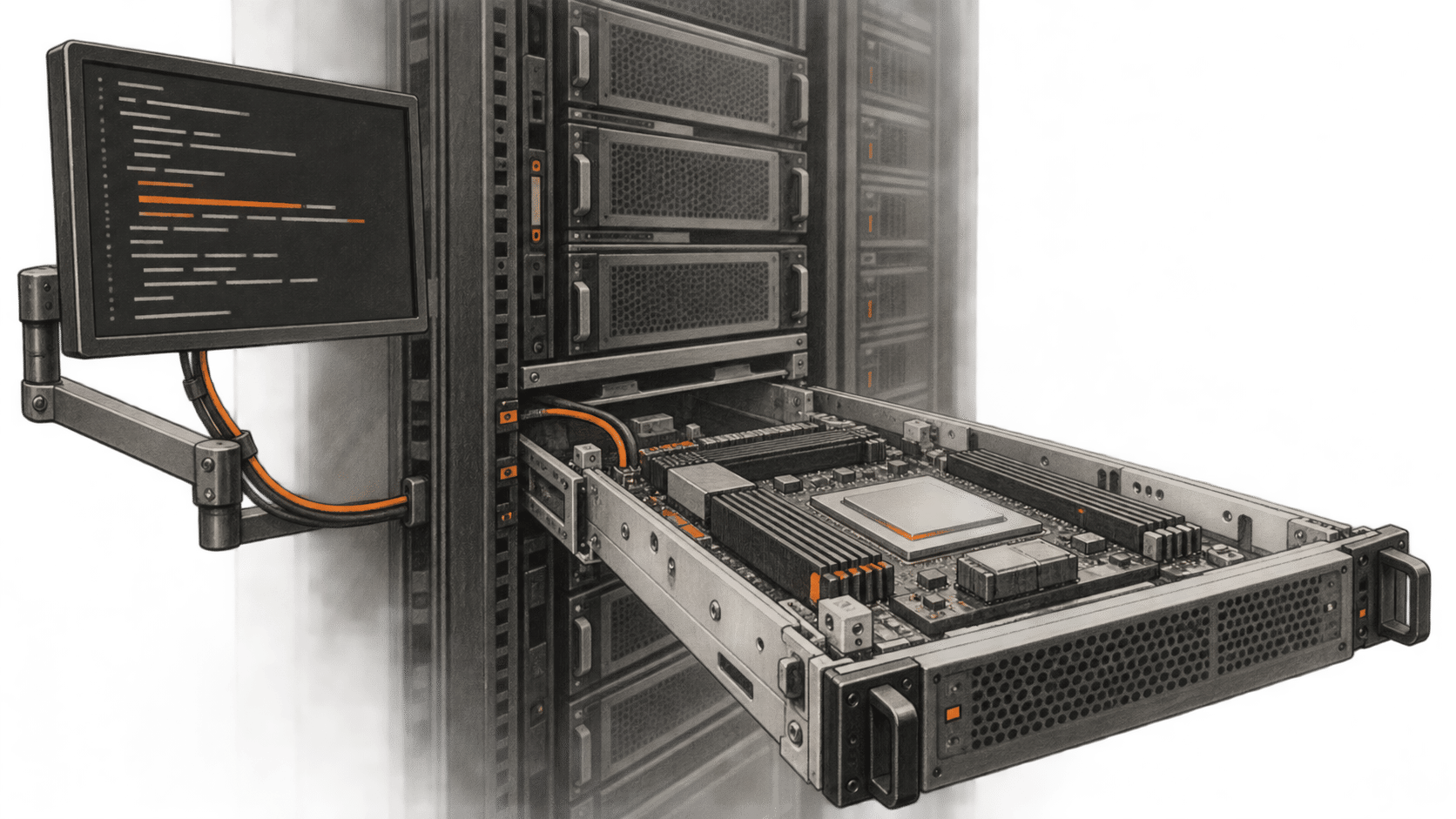
AWS’s Neuron 2.33 release introduces a public-beta PyTorch backend for Trainium2 and Trainium3. Its supported versions, operator coverage and compilation limits define what engineers need to check in an evaluation.
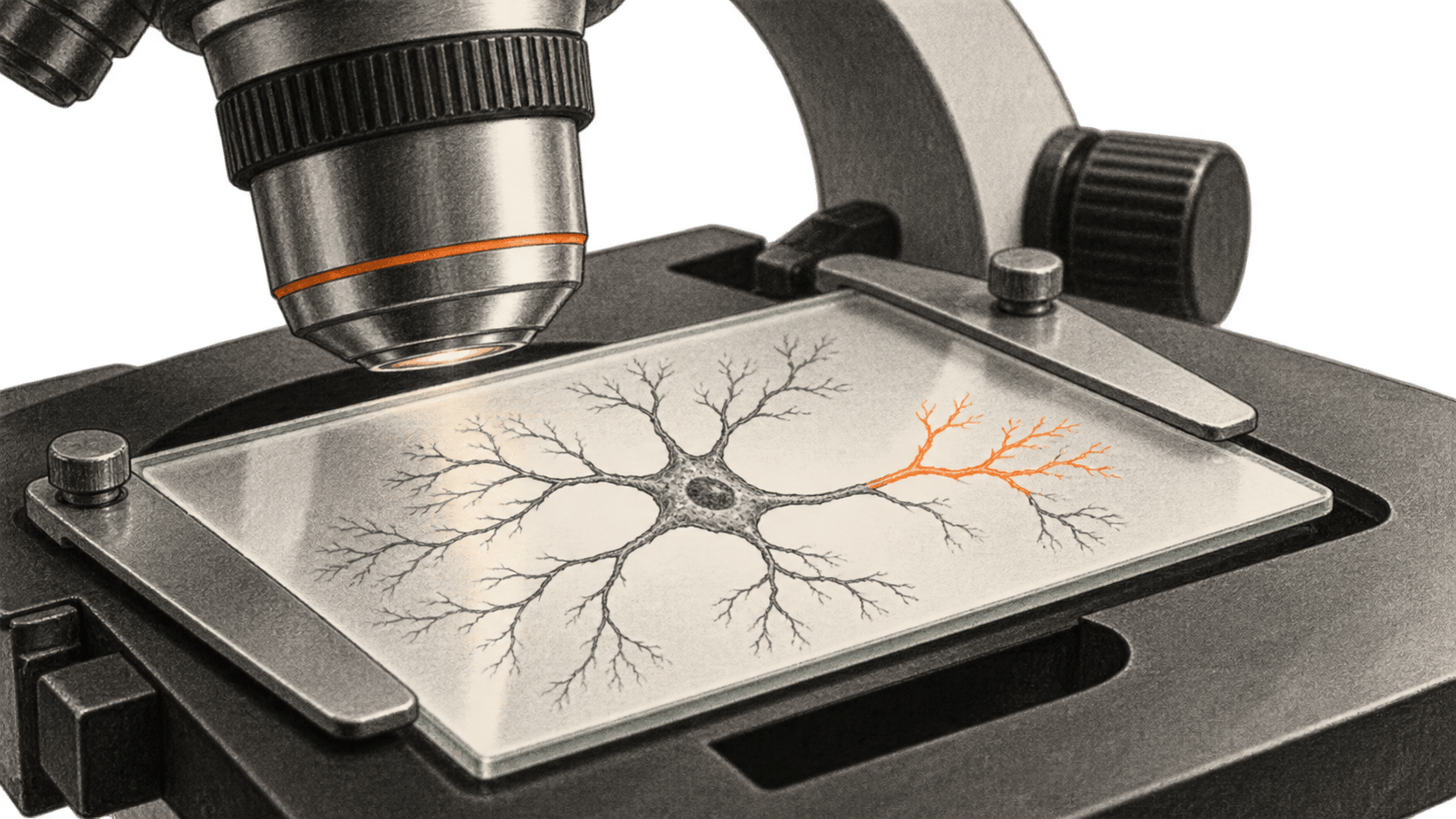
Nick Cammarata argues that many apparently mixed-purpose neurons can be studied directly. His Goodfire essay offers preliminary evidence, while Neel Nanda disputes the broader conclusion about superposition.
How ClayHog connects AI prompt monitoring, citation analysis and content work, and what small and large companies can build around GEO.
A new computational method couples RNA sequence and base orientation during inverse folding. Its benchmark gains rely on predicted structures and remain untested in the lab.
A new research method separates detected benchmark overfitting and extra inference compute from the remaining gain in optimized agent harnesses.
A new simulation benchmark finds that AI agents often match a grid-restoration reference plan, but their worst cases and unsafe switch proposals keep independent safety checks central.
A new preprint and released code show how HybridAgent alternates latent reasoning with text tool use. Its measured gains come from the authors' benchmark setup.
Liquid AI released d1-ultra as a hosted model that returns probabilities for structured text and image decisions without generating answer tokens. Its benchmarks and price come from the company.
Anthropic says a 5% share allocation awaits stockholder approval. Its board may add further equity, while fund governance and the valuation baseline remain undisclosed.
Cloudflare offers new ad-supported domains a no-training setting and an agent block on ad pages. Existing domains follow their migrated choices; owners can check all three controls.
vLLM reports 842 versus 488 aggregate decode tokens a second for Kimi K3 on 16 GB300 GPUs under a specific DSpark setup. Prefill is excluded.
Vals AI tested six agents in a simulated, expired train-refund task. Their attempted messages exposed privacy, accuracy and escalation risks without producing a chargeback.
Google's biotech reference design separates agent planning, GPU scientific computation and access controls. The combined workflow remains an unmeasured proposal.
In a controlled preprint study, GPT-5.5 disclosed a planted negative result in 2 of 200 reports. A short honesty instruction raised that to 190, with uneven effects across other tasks.