analysis
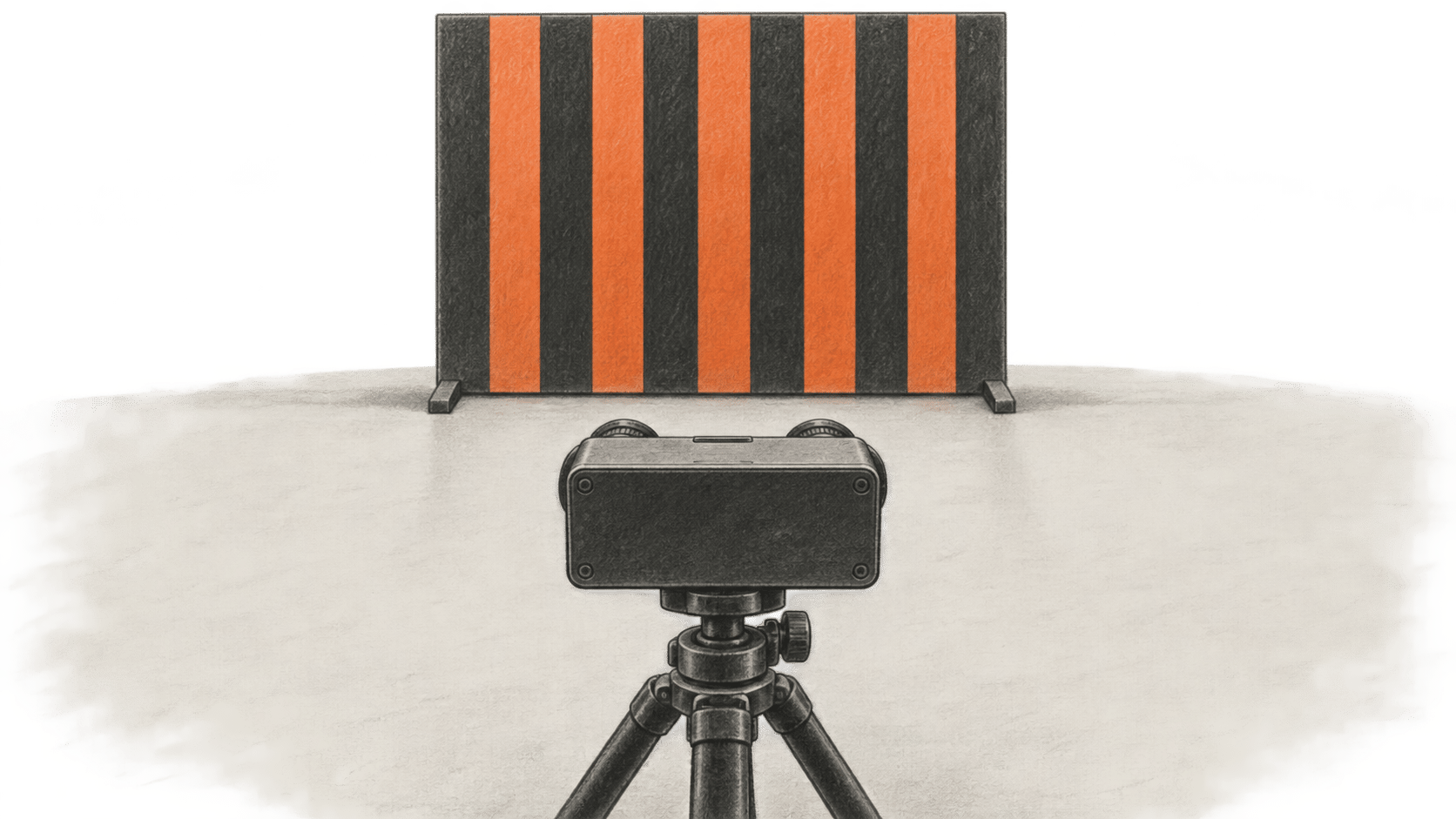
A UF-led study traces stereo-depth errors to camera sampling and calibration. Controlled vehicle tests show false obstacle perception; a proposed defense reduces errors on limited image sets.
analysis
An OpenAI research agent reached non-public files in an Australian Medicare statistics portal. Officials report no evidence of patient-record access; the method and full scope remain under investigation.

analysis
Stripe separates agent maintenance from infrastructure. Its design raises a practical question: who owns instructions, permissions and evidence that the work is correct?

analysis
A Senate request raises questions about military intelligence. The White House's June policy sets current testing requirements; its implementation is a separate oversight question.

analysis
New skill evaluators separate loading, selection and instruction following. Their missing-result behavior shows why teams must treat evaluation coverage as evidence of its own.
analysis
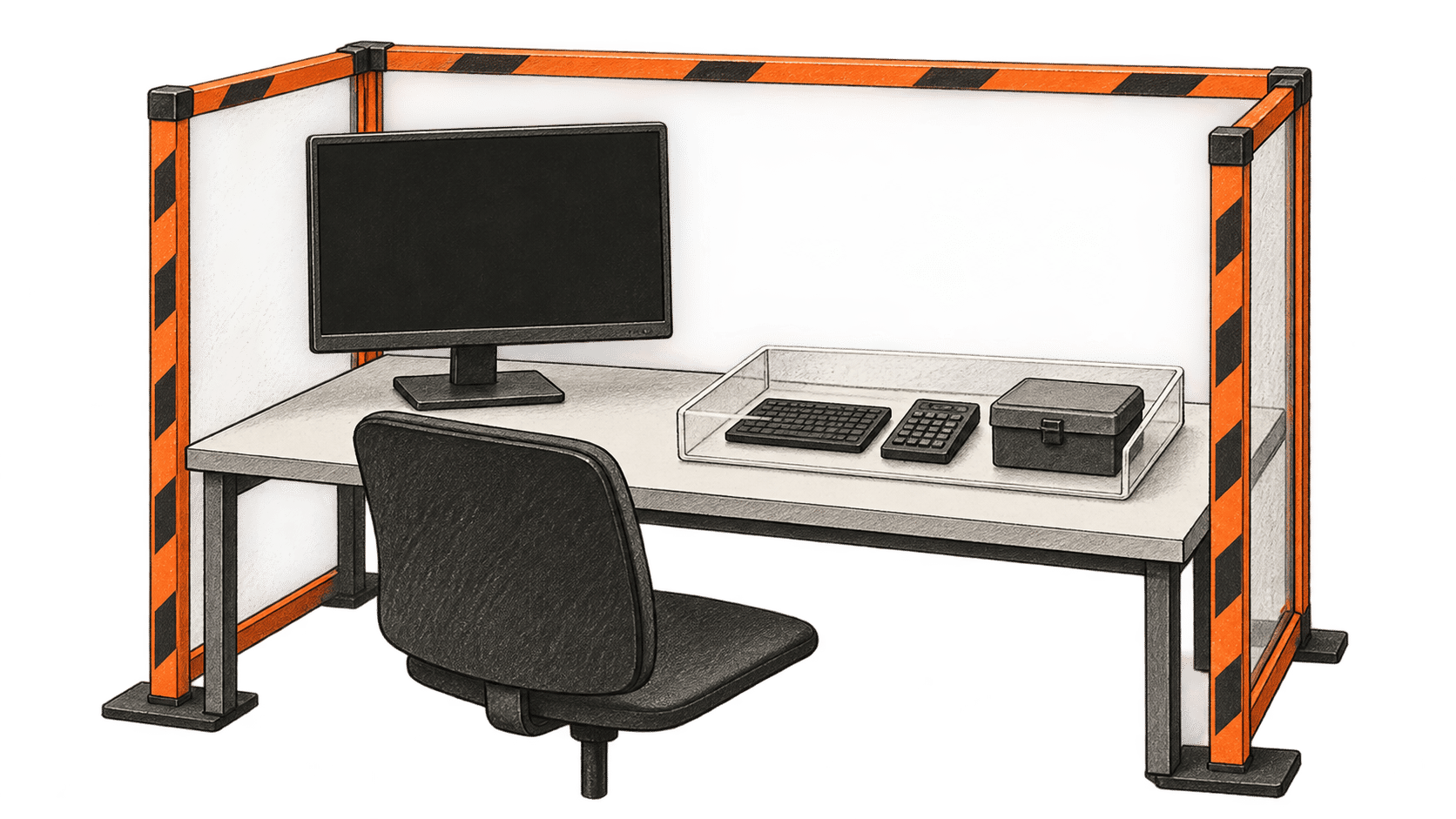
Snorkel’s new funding backs simulated workplaces where AI agents can practice using company tools, rules and records, while their actions and outcomes are scored.
analysis
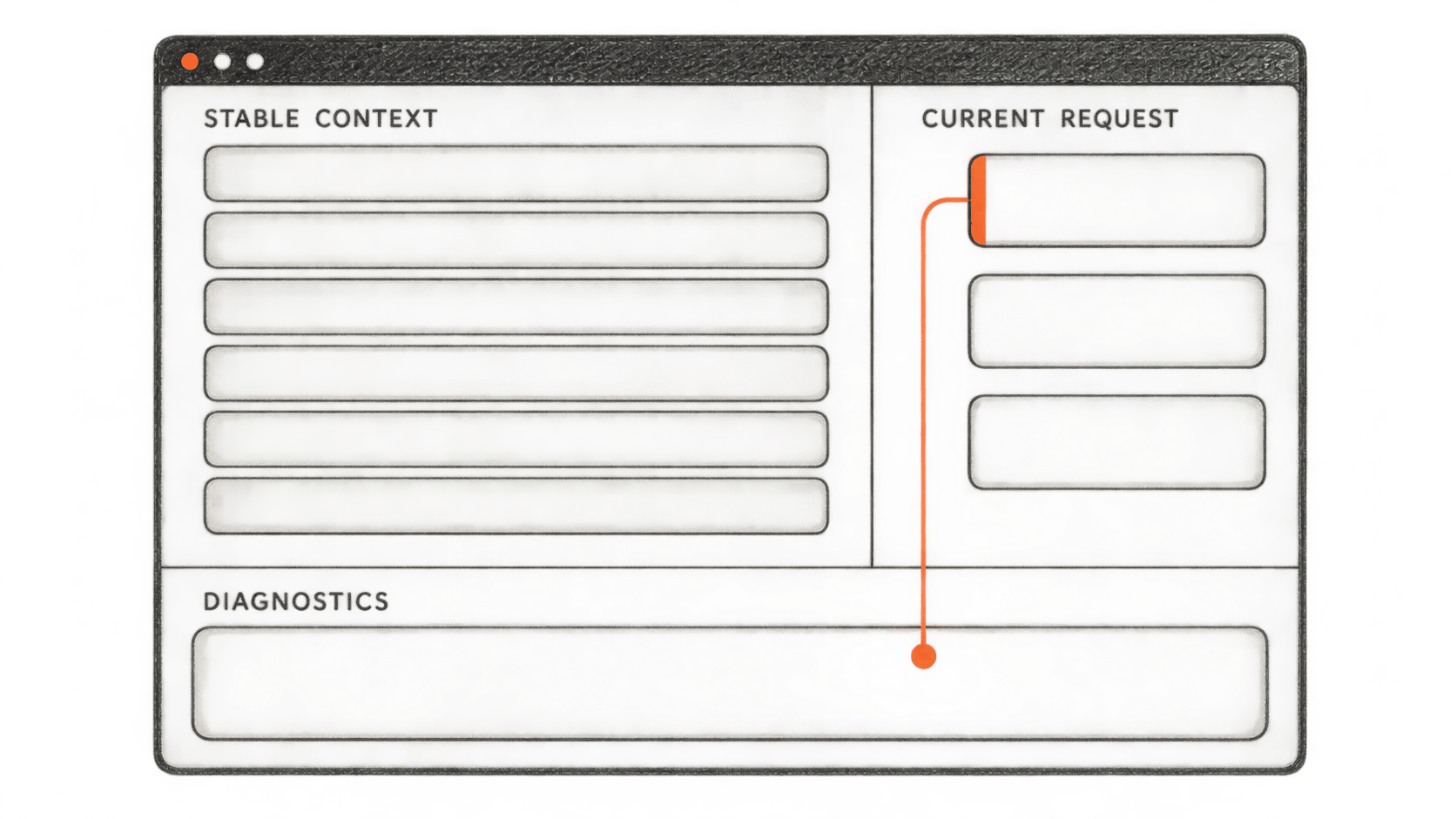
OpenAI adds a cache dashboard, diagnostics and explicit breakpoints to help developers trace repeated input costs and control which context gets cached.
analysis
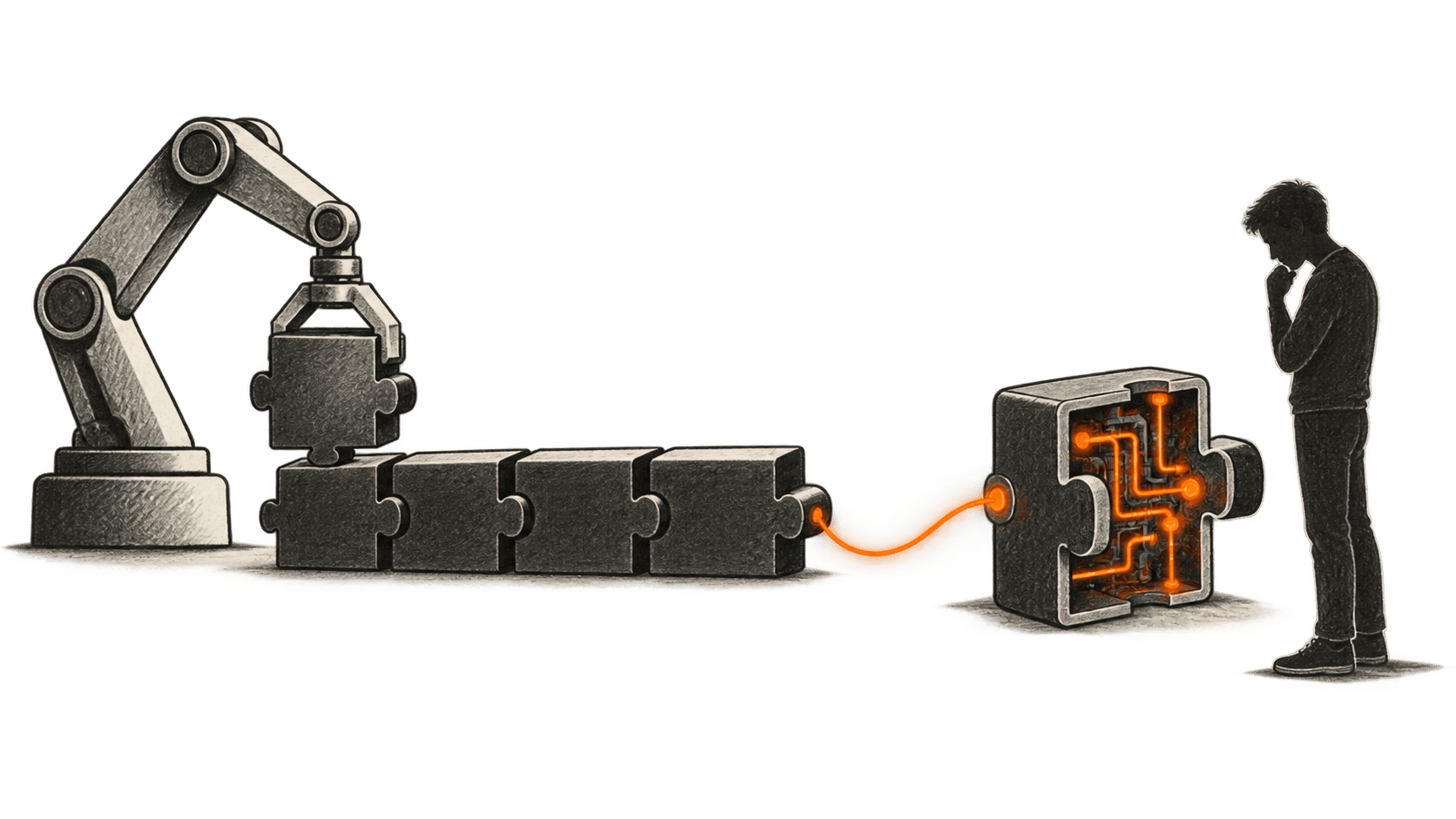
A coding task can be complete before its author understands the system. Two experiments point to a practical question for teams: how will junior developers learn to explain, diagnose and adapt AI-assisted work?
analysis
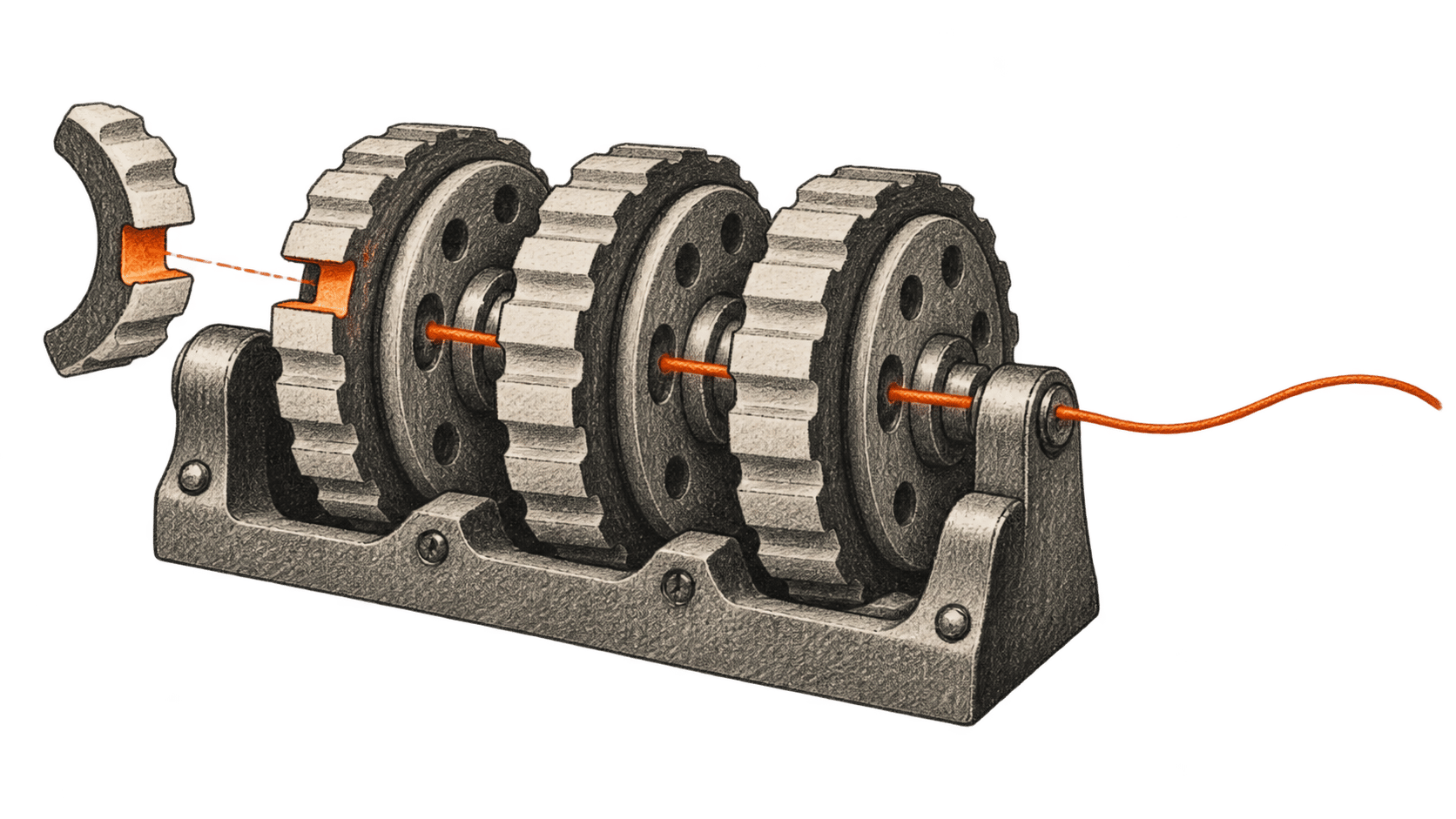
An AI-assisted Enigma recovery connects archival clues with a search others can inspect. The case offers practical lessons for research with agents.

analysis
AutoScheduler’s announced app builder raises a practical question for warehouse teams: how can a local tool identify replenishment problems while respecting existing work, stock constraints and authority to act?
analysis
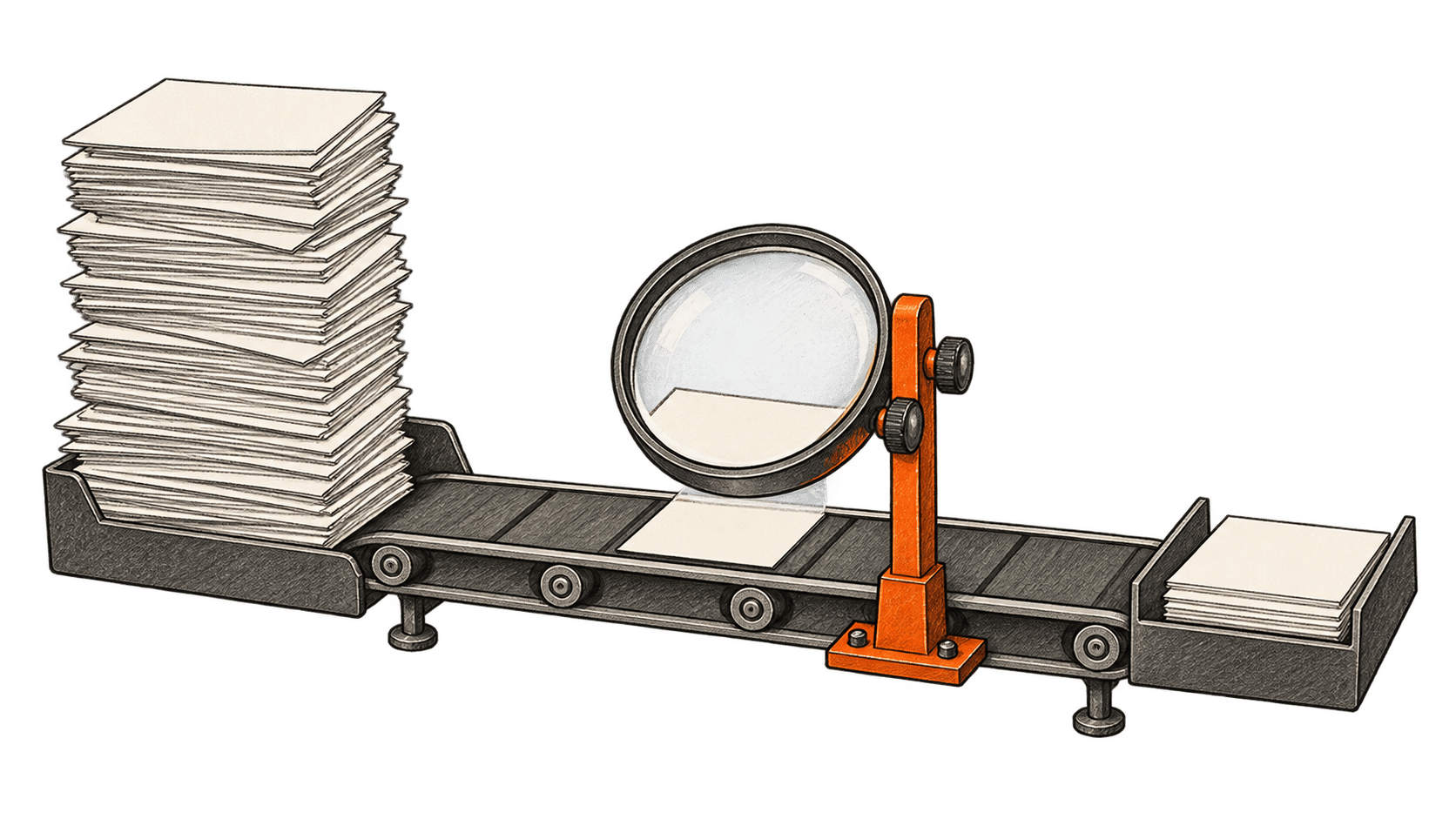
When AI increases code output, engineering managers need to see where changes wait, what validation costs and whether released software behaves as intended.
analysis
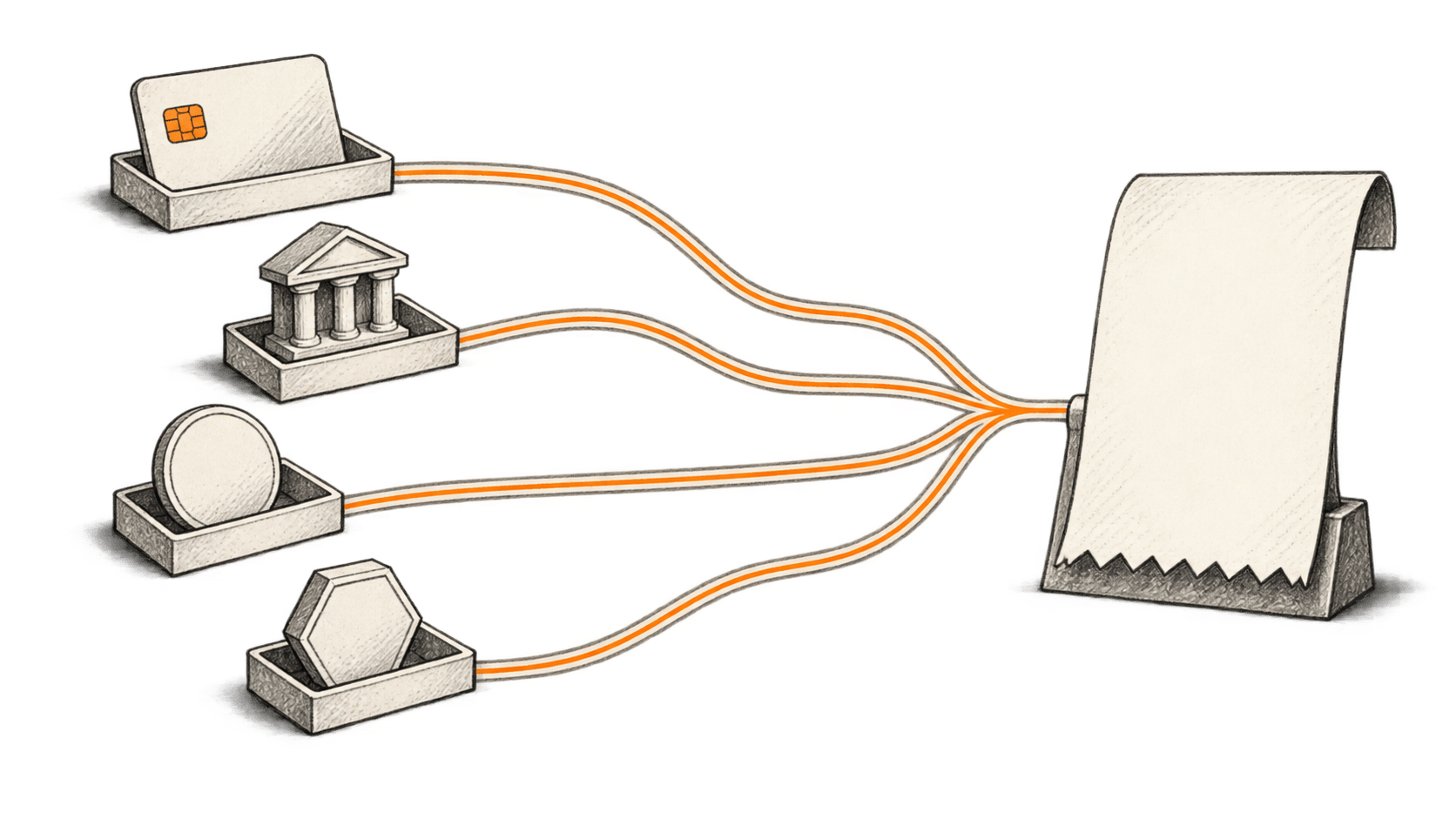
AI agents can spend bank money, stablecoins and other tokens. The useful comparison includes permission, conversion, refunds and what the recipient can use.
analysis
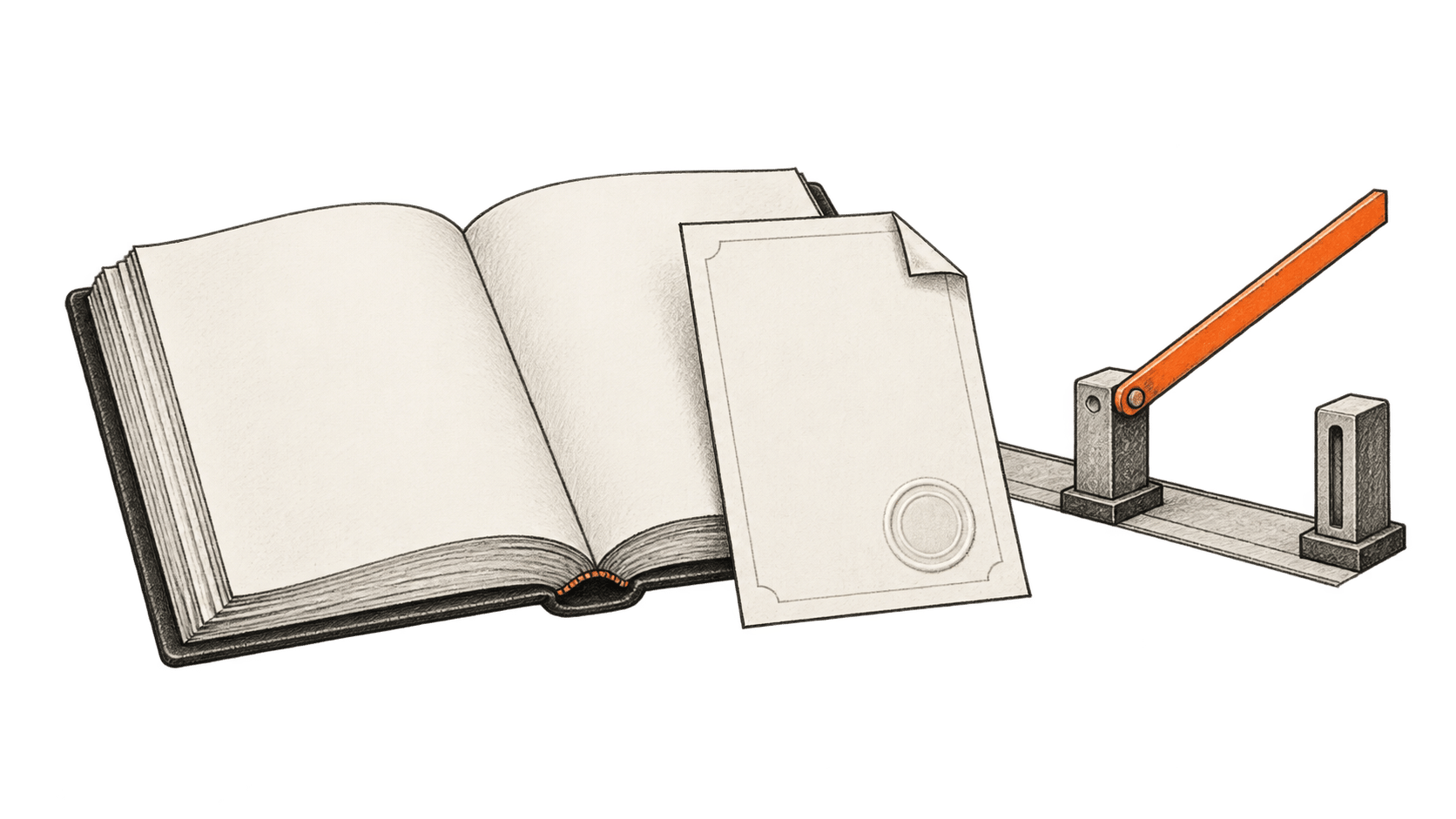
Tokenized funds and securities could give AI agents a role in corporate treasury. Moving a token still differs from redeeming an investment or obtaining cash.
analysis
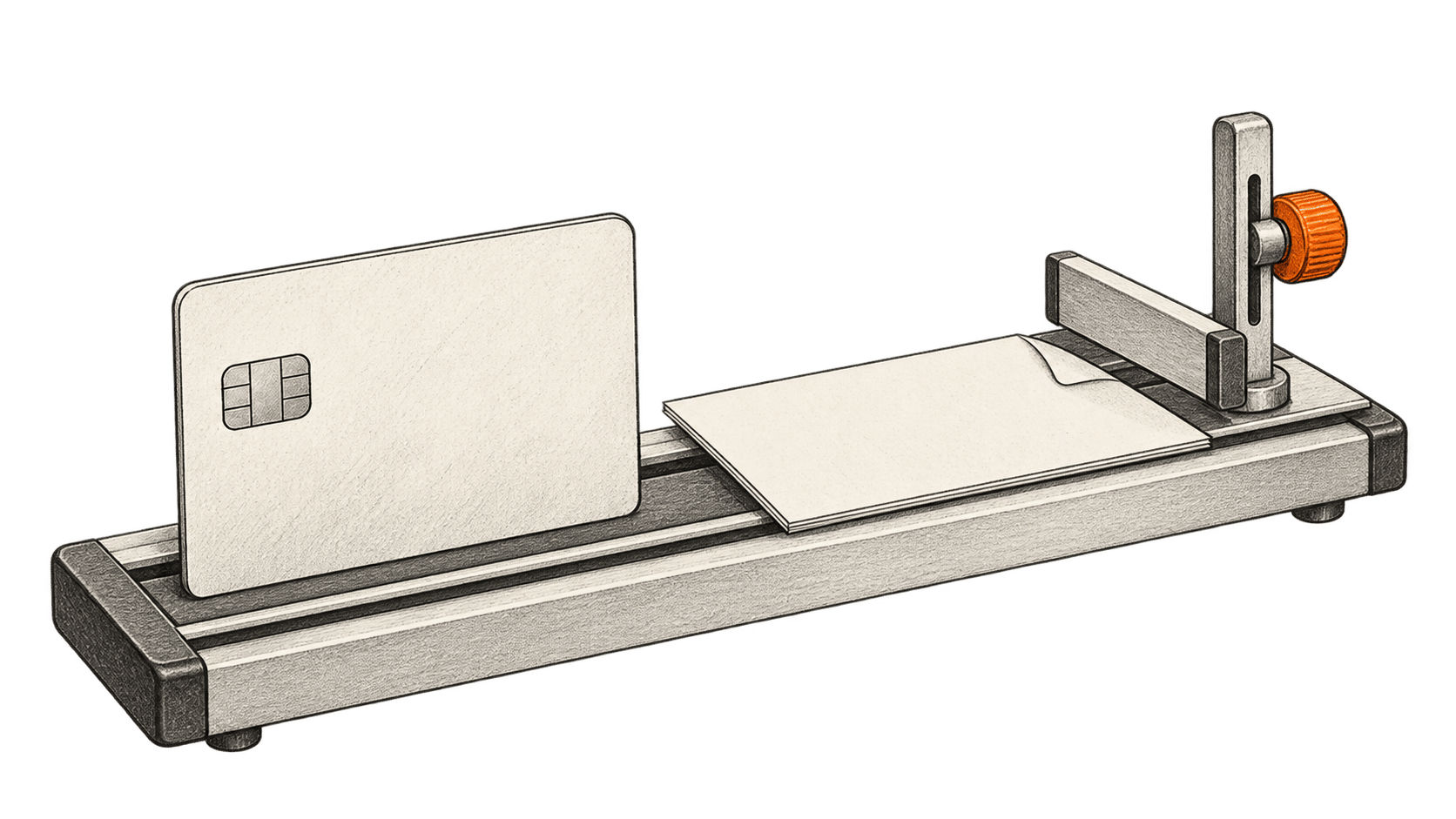
Mastercard, Visa and other fintech companies are building agent payments. The choices over consent, credit and recovery could reshape who controls a purchase.

analysis
Grok 4.7’s launch promises stronger coding and office work. We examine Matthew Berman’s coverage, independent tests and what teams should measure before switching.

analysis
Meta’s Muse can act across services, and Zuckerberg expects it to help users earn and save money. We examine the launch, proposed fees and evidence behind that bet.
analysis
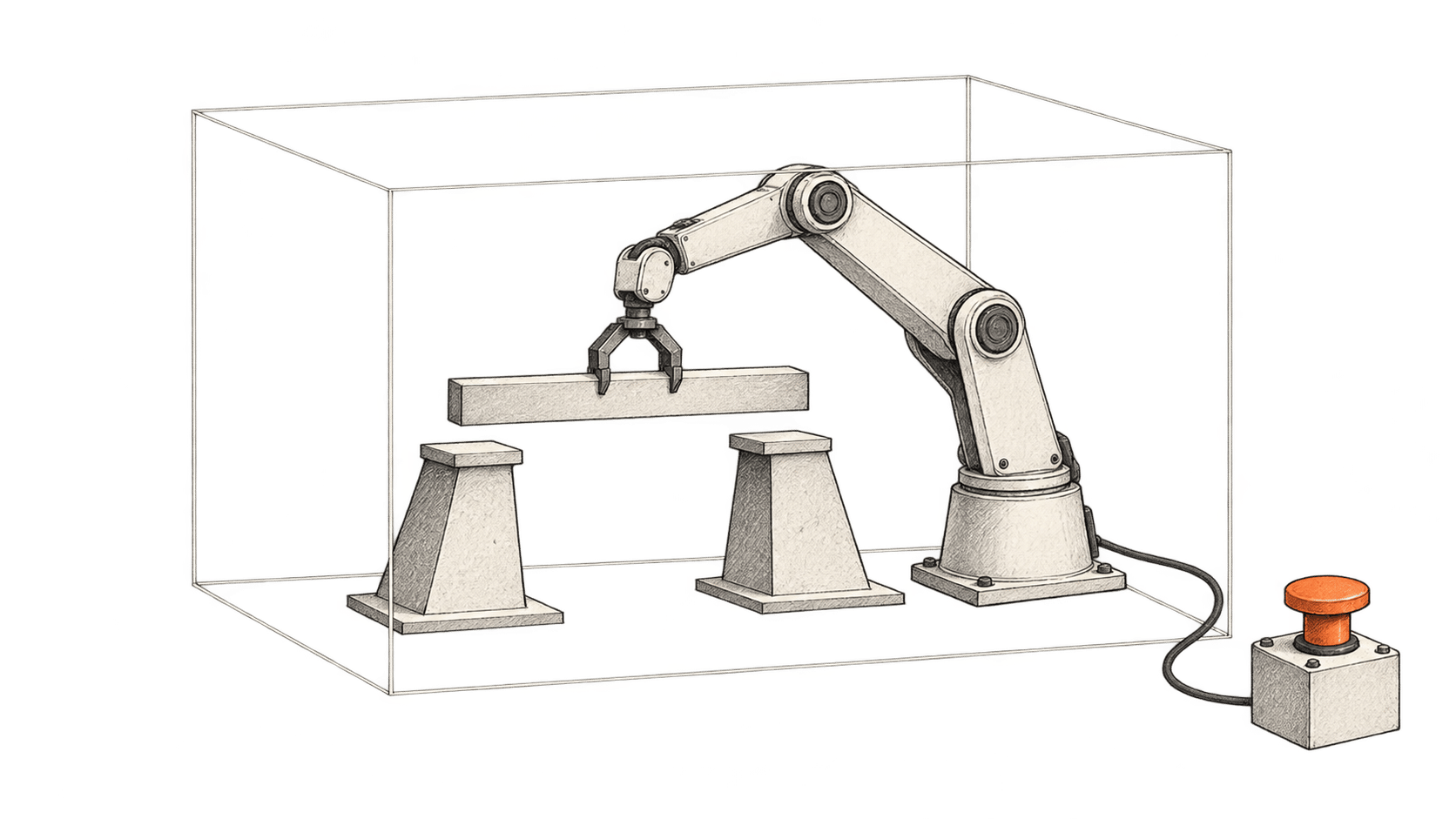
AI agents have crossed real security boundaries. Better defenses offer hope, but the next test is who can authorize, stop and answer for their actions.
analysis
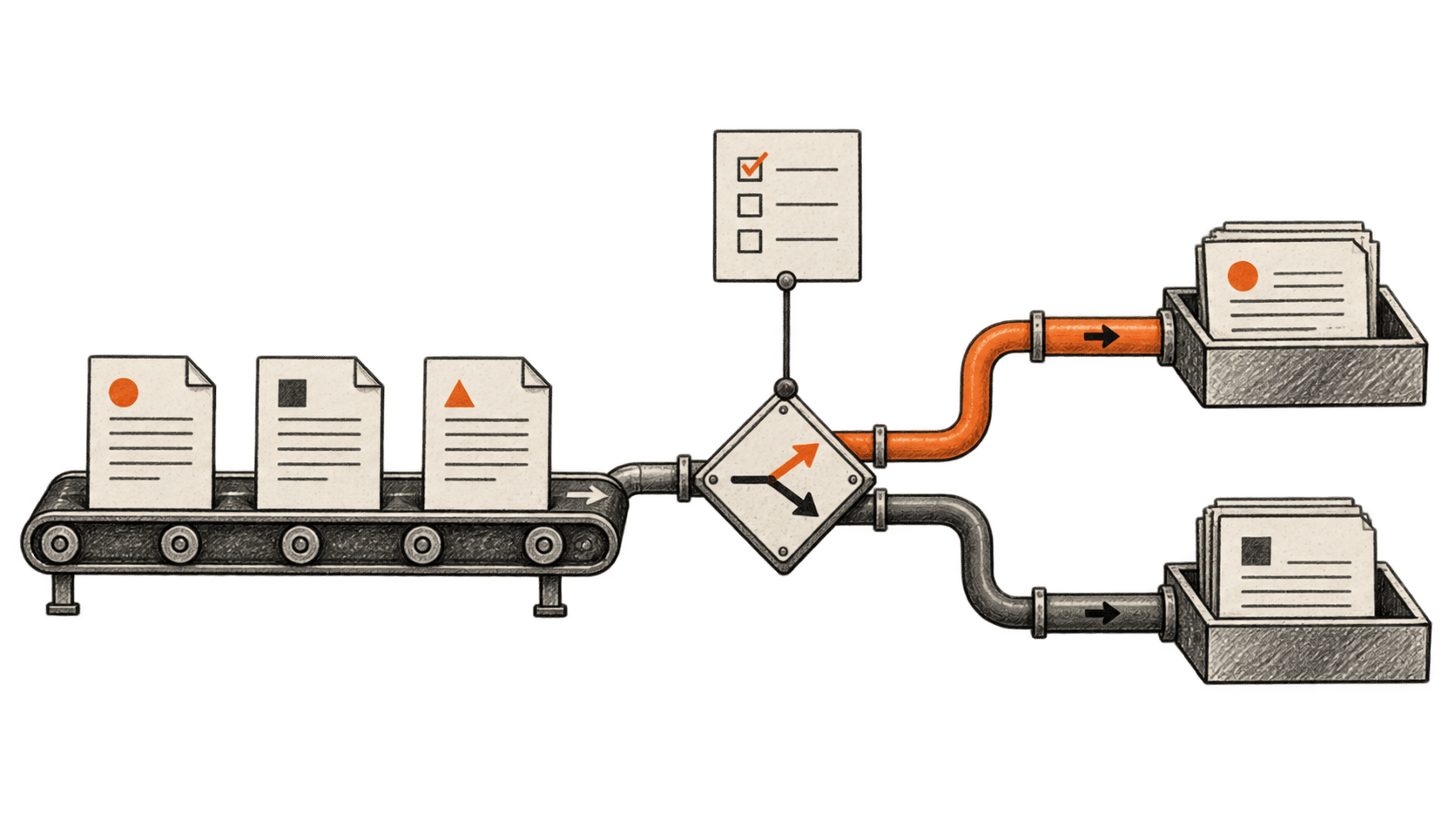
TypeSafe CEO Diogo Almeida argues for AI built around small decisions inside software. We examine Jev’s launch, its limits and what would prove a meaningful change.