analysis
Gemini 3.8 TTS is cheaper now. Its price doubles January 1
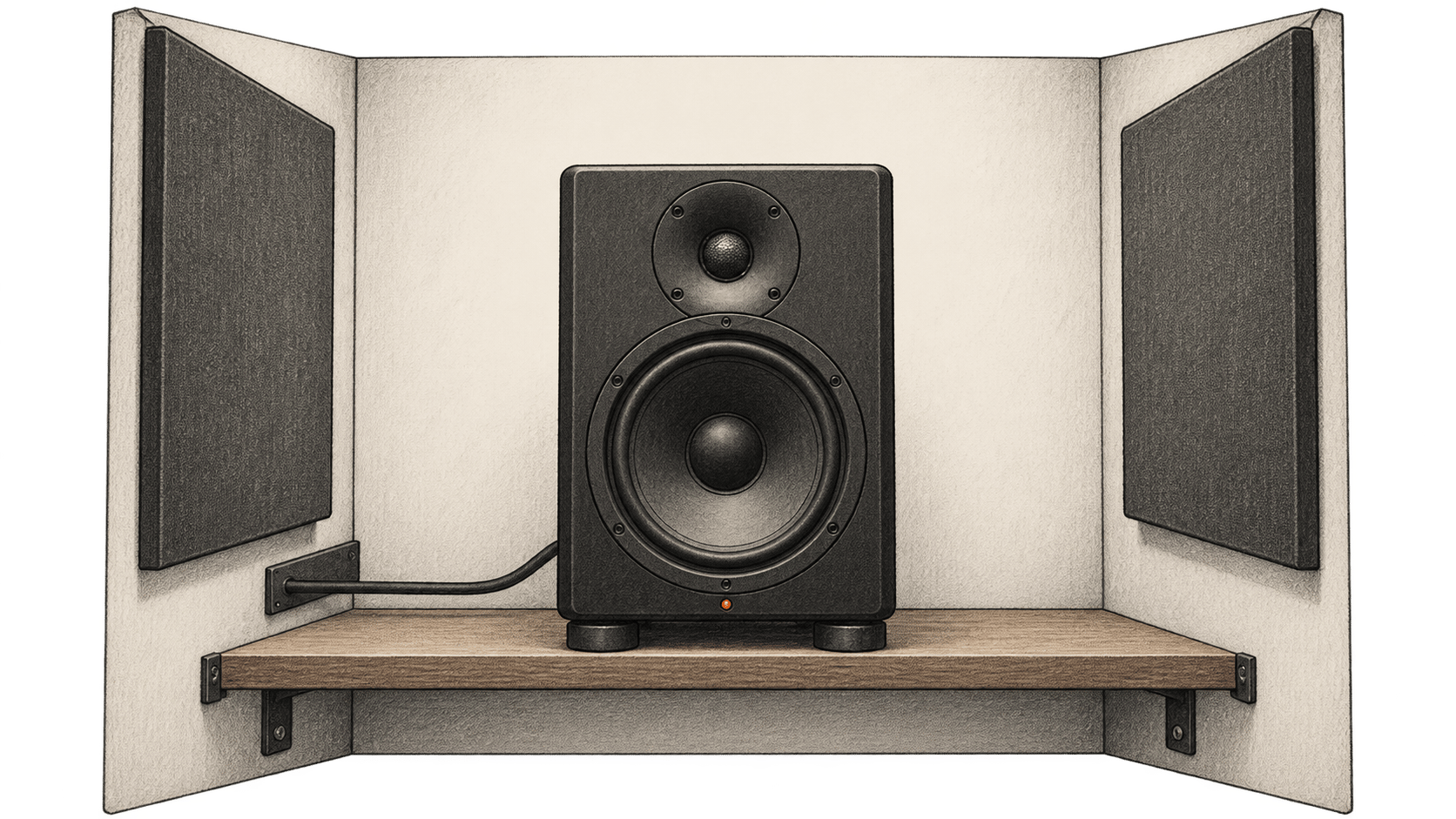
Google's stable Gemini 3.8 TTS models lower generated-audio costs, but prices double January 1 and migration changes prompts and WAV handling.
Explore our reporting on how AI and robotics change work, business and the world.
Google's stable Gemini 3.8 TTS models lower generated-audio costs, but prices double January 1 and migration changes prompts and WAV handling.
A Codex subscriber reports lower API-equivalent value after GPT-6 Sol's price cut. That figure alone cannot establish fewer tokens or less work per subscription.
Stripe separates agent maintenance from infrastructure. Its design raises a practical question: who owns instructions, permissions and evidence that the work is correct?
Qwen Audio 3.1 adds sound creation and understanding. Its API documentation is uneven, and changing billing units complicate the advertised ASR savings.
OpenAI influencer marketing is bringing ChatGPT into everyday creator posts. This disclosure map shows what the labels establish and what they do not prove.
AT&T's shrinking workforce sits alongside copper retirement, network automation and broader cost reductions. The reviewed records do not separate their employment effects.
New skill evaluators separate loading, selection and instruction following. Their missing-result behavior shows why teams must treat evaluation coverage as evidence of its own.
Rabbit OS3 works in a browser without an r1. Model billing, cloud processing and technical-preview terms shape what connecting your computer means.
Nscale discloses a wide gap between active and contracted compute, with financing and delivery separating signed demand from service.
Snorkel’s new funding backs simulated workplaces where AI agents can practice using company tools, rules and records, while their actions and outcomes are scored.
Eight models, four tiers: compare intelligence scores, API prices and measured task costs for the latest OpenAI and Claude releases.
A student's complaint about a reportedly AI-altered Stanford image raises questions about permission and accurate representation under the university's published rules.
Reported offboardings over prohibited AI use expose a larger business problem: companies must distinguish AI-assisted production from the independent human judgment they intend to buy.
Anthropic's Opus 5.5 lowers token prices and targets supervised enterprise work below Fable 5.1, while API clients face breaking thinking and tool changes, plus conditional fallback.
A coding task can be complete before its author understands the system. Two experiments point to a practical question for teams: how will junior developers learn to explain, diagnose and adapt AI-assisted work?
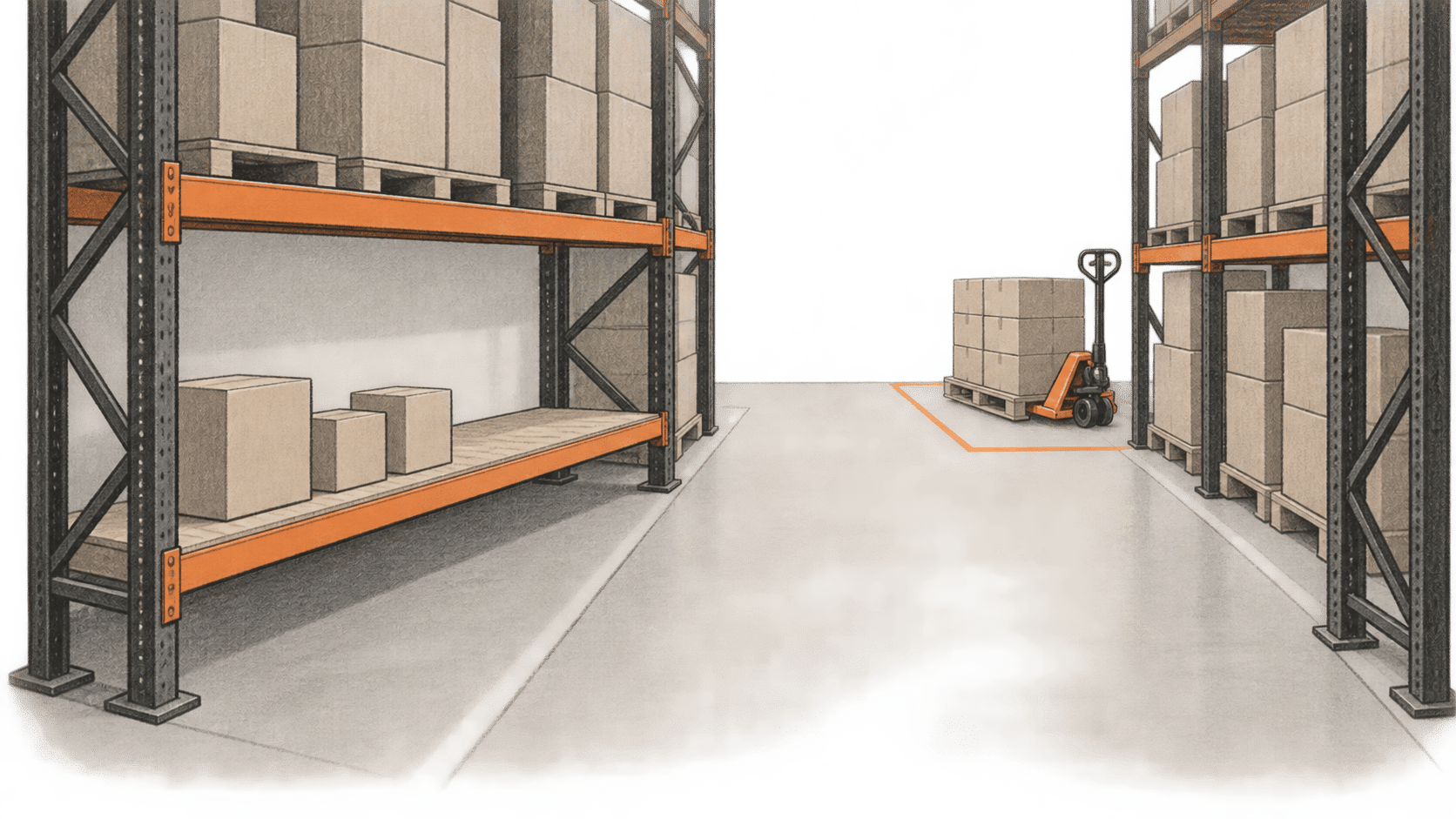
AutoScheduler’s announced app builder raises a practical question for warehouse teams: how can a local tool identify replenishment problems while respecting existing work, stock constraints and authority to act?
Claude's September 22 incident is resolved. A practical guide explains how businesses can maintain limited service, preserve unfinished work and recover their own backlog after an AI outage.
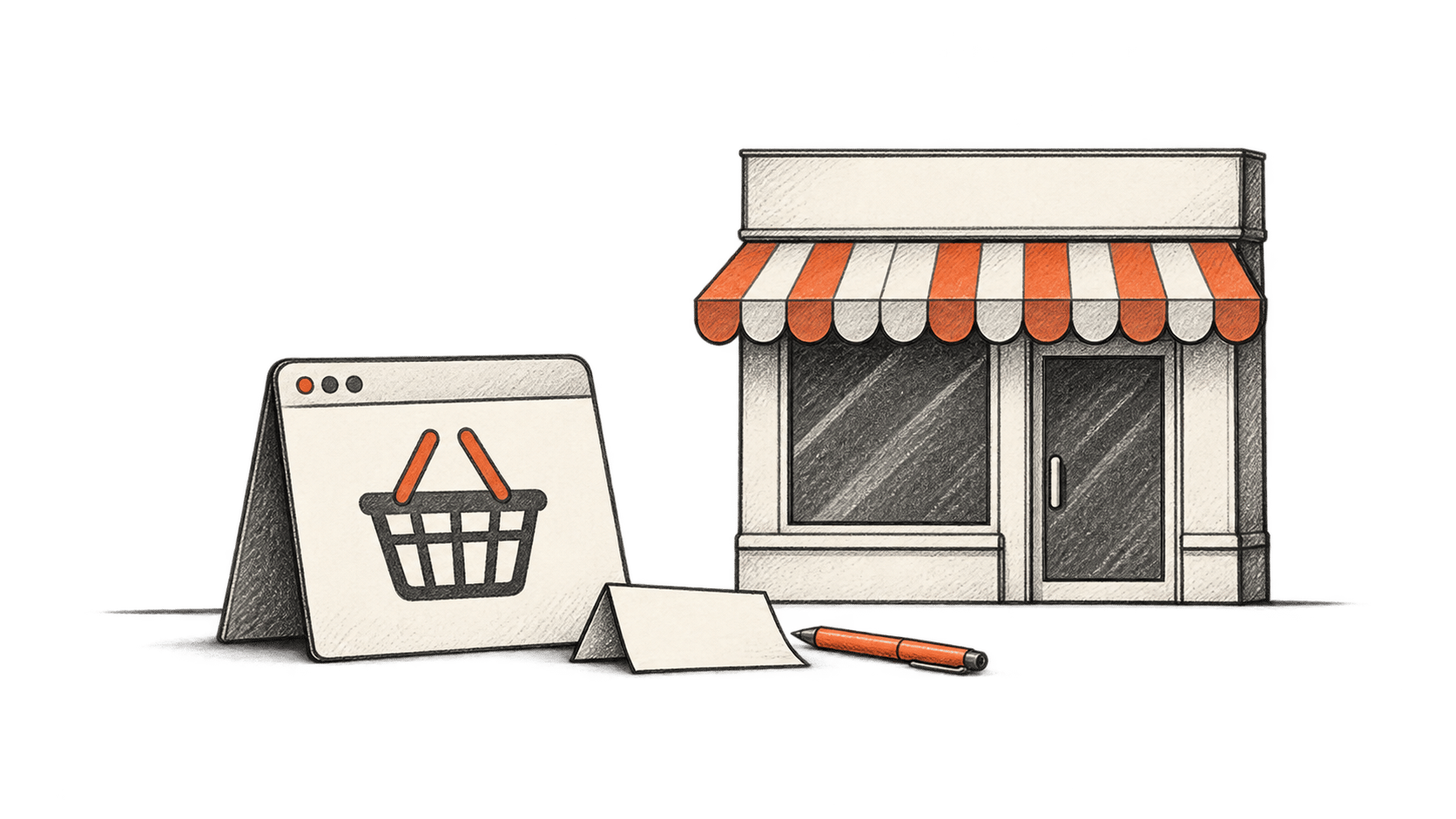
Amazon's reported block of Meta's Muse separates a shopper's permission from a retailer's willingness to admit an agent. The consequences reach search coverage, checkout and customer support.