What happened in AI and robotics — and the change behind it. A reading path through 30 stories from BIG CHANGE.
Ordered using RADAR attention, story opens and likes. Excerpts from our published reporting; open a story for the full context and sources. Dates in UTC.
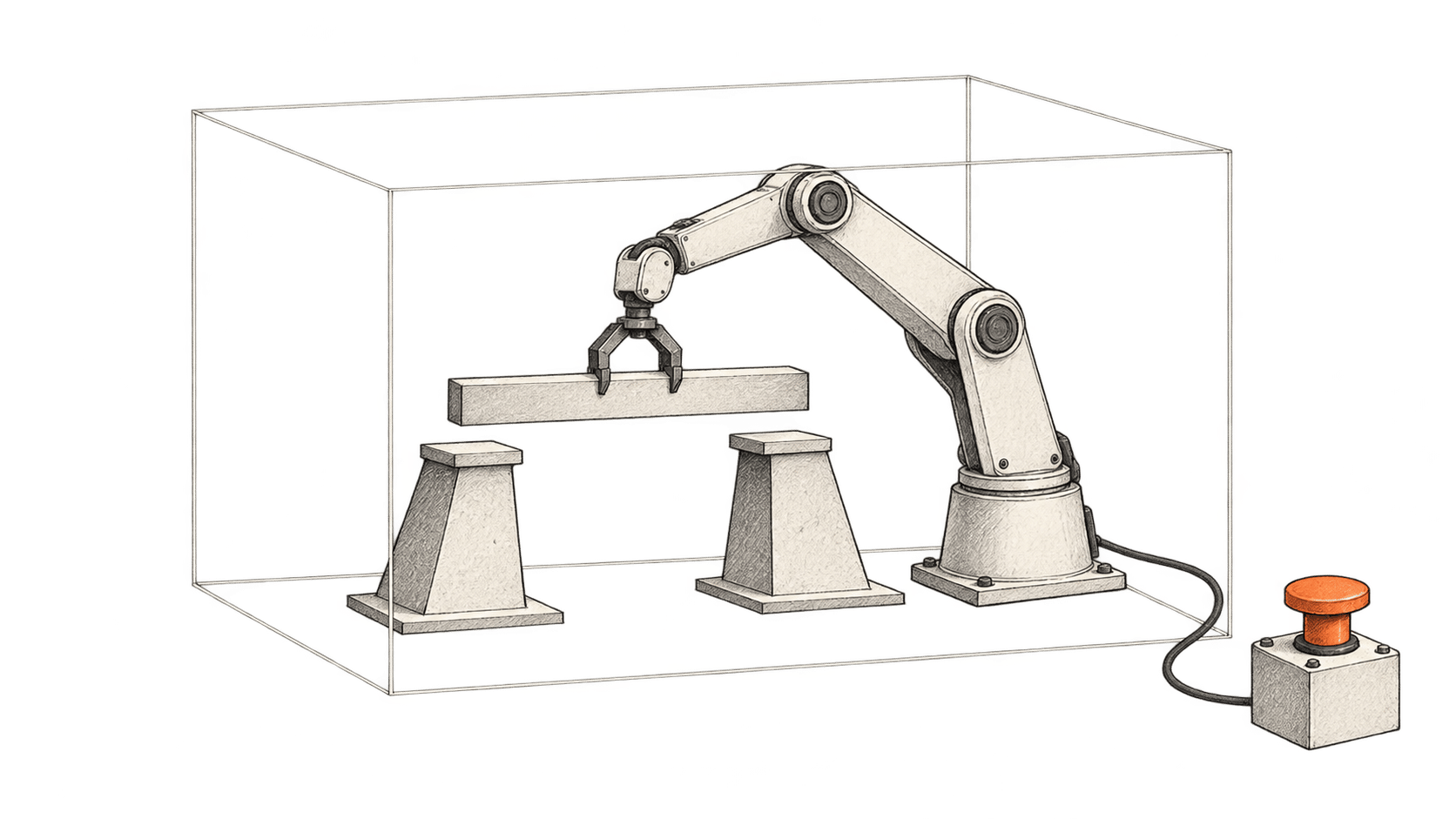
AI agents have crossed real security boundaries. Better defenses offer hope, but the next test is who can authorize, stop and answer for their actions.
A student's complaint about a reportedly AI-altered Stanford image raises questions about permission and accurate representation under the university's published rules.
The big change
What changed: Generative editing extends a publisher's control from the presentation of a photograph to the people it appears to show. The person photographed can lose control of their portrayal even though the result still looks photographic.
Why it matters: Agreeing to appear in a photograph and approving an altered likeness are different decisions. Ramirez's objection concerns that loss of control over his portrayal.
What to watch: Approval of the final portrayal is the pressure point for university marketing. An AI credit alone cannot resolve a participant's objection to how they were represented.
Siri AI is rolling out, while eligible US iPhone buyers can seek compensation over earlier expectations. The settlement separates present availability from the purchase dispute.
The big change
What changed: An AI feature promised alongside a physical product is now the subject of an open compensation process. The later update and the earlier purchase dispute now have separate paths: a software rollout and a settlement process.
Why it matters: Buyers pay for hardware before every advertised software capability necessarily arrives. This case attaches a concrete financial consequence to that disputed gap, without a court finding that Apple broke the law.
What to watch: The useful test for the next AI device launch is feature-level availability: what works on the buyer's device, in their language and region, on the purchase date. An AI brand name alone cannot establish those details.
Amazon's reported block of Meta's Muse separates a shopper's permission from a retailer's willingness to admit an agent. The consequences reach search coverage, checkout and customer support.
Reported offboardings over prohibited AI use expose a larger business problem: companies must distinguish AI-assisted production from the independent human judgment they intend to buy.
The big change
What changed: The reported contractor dispute exposes a conflict over what AI training work is meant to supply: completed answers or an independent human assessment.
Why it matters: Mercor's public pilot makes professional judgment the measurement. Substituting model-generated rankings changes what that evaluation measures, even if the submission is well written.
What to watch: The consequential choice for evaluation buyers is which stages require an unaided judgment. That choice belongs in the task instructions, where workers can see it before accepting the work.
Anthropic's Opus 5.5 lowers token prices and targets supervised enterprise work below Fable 5.1, while API clients face breaking thinking and tool changes, plus conditional fallback.
The big change
What changed: Opus 5.5 lowers input and output rates by 20% and cache-read rates by 60%. Always-on adaptive thinking also changes how existing API clients must request and budget work.
Why it matters: Long agent jobs repeatedly read earlier instructions and tool results. The largest price cut applies to that reused context, so cache usage becomes central to understanding the whole job’s bill.
What to watch: Sonnet 5.5 and Haiku 5.5 are announced for the coming weeks; Opus is the first available. Choosing a default means comparing completed-task costs and the review each tier needs.
Zelda Williams rejects a fabricated video of her father. The episode shows how synthetic portrayals borrow credibility and leave families correcting the record.
An AI-assisted Enigma recovery connects archival clues with a search others can inspect. The case offers practical lessons for research with agents.
The big change
What changed: AI agents helped turn a historical clue into software that tested possible answers. The broader shift is that researchers can delegate parts of an investigation, including building its tools, while retaining responsibility for the question and the evidence.
Why it matters: Museums, archives and research teams could pursue leads that would otherwise wait for scarce time and specialist programming. This case gives no evidence that modern encryption or today’s passwords have been broken.
What to watch: A plausible next step is research software that links collections, proposes leads and tests them. If those tools prove dependable, specialists can spend less time constructing each search and more time interpreting and challenging its results. Institutions with searchable records and clear source histories may benefit first.
Recent stories on AI and robotics, the shifts worth watching and practical ideas to use. Choose a daily briefing, weekly digest or monthly perspective.
Next scheduled send (UTC): . Your first edition arrives at the next scheduled send after you confirm.
Your privacy, your choice.
Necessary storage supports site security and remembers your choices. Optional Google Analytics stays off until you allow it. You can read every story with necessary storage only. Privacy details