Basecamp Research has raised $140 million to expand its EDEN biological models and move a therapy pipeline toward clinical development. The company says a proprietary corpus built from environmental sampling gives its models biological information that public sequence databases miss.
Its evidence includes company-led laboratory experiments and a separately reported mouse study. The disclosed therapy pipeline remains at research and lead optimization.
The big change
- What changed: A biological-model company has joined global field sampling, genomic context and model training in one proprietary data supply chain, then carried generated proteins into wet-lab tests.
- Why it matters: Training data creates a commercial relationship with biodiversity providers before a drug reaches patients. Basecamp says its agreements trigger royalties when data is used, so collection partners can be paid during model development.
- What to watch: Watch whether independently reproduced results lead to development-stage advances, and whether expanded model use produces larger payments to collection partners. These are separate tests of therapeutic progress and the data business.
BaseData adds context as well as sequences
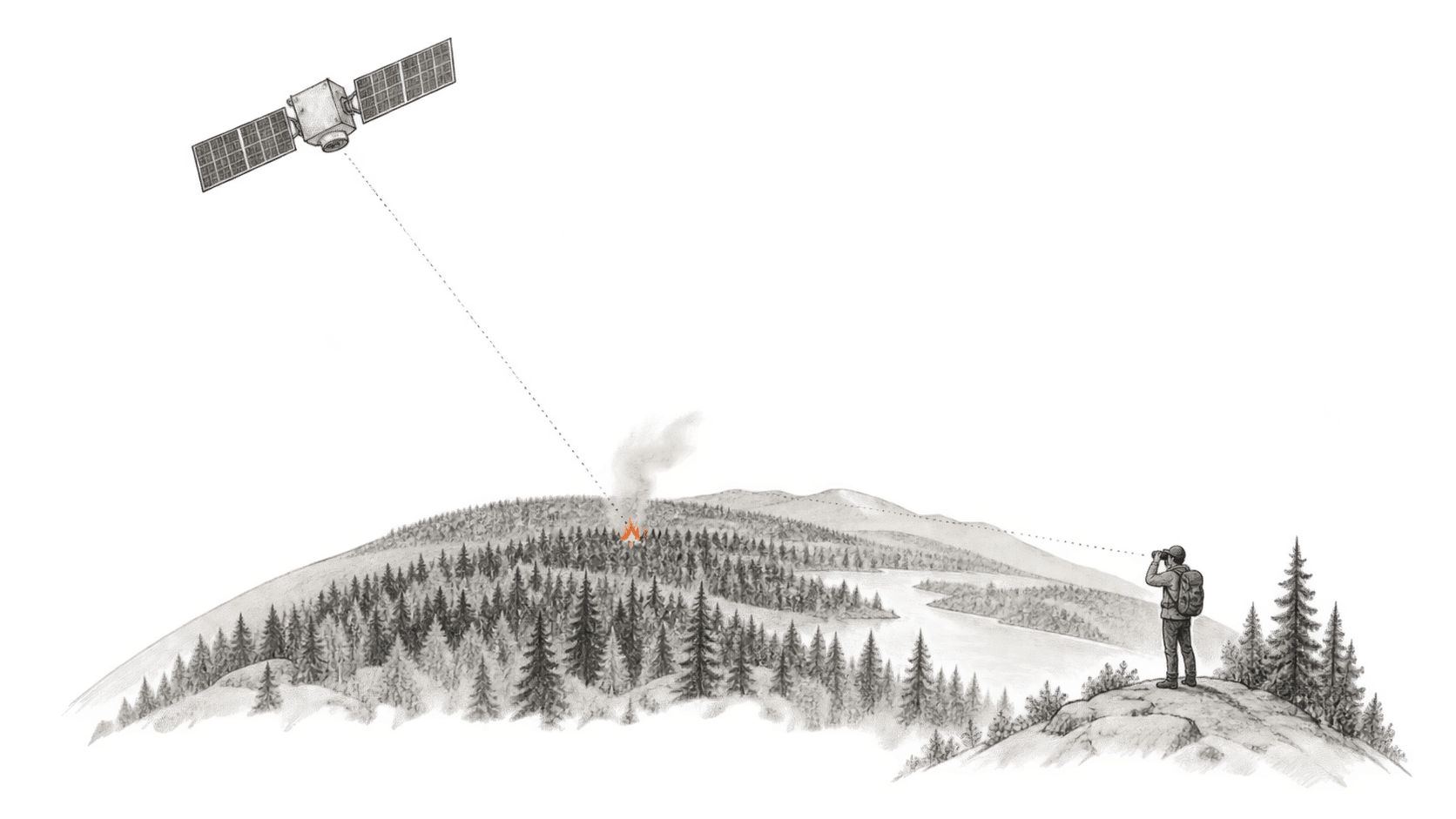
Public repositories are indispensable, but they reflect what researchers have chosen to sequence. Basecamp's BaseData preprint says 68% of sequence volume in the Sequence Read Archive came from five species. As of late 2024, the company reported 9.8 billion novel genes and more than one million species absent from the comparison databases, collected through partnerships in 26 countries and autonomous regions.
Basecamp also preserves neighboring genes, site conditions and collection provenance, giving models information about biological context. It reports paying 52 beneficiaries in 19 countries by the end of 2024.
BaseData is proprietary. EDEN's training corpus grew beyond that late-2024 snapshot: its preprint reports over 10 billion genes. Both papers are company-led preprints.
Public data is moving too. Microsoft's Dayhoff Atlas combined genomic and metagenomic sources into an open set of 3.34 billion protein sequences. In a controlled comparison, a 170-million-parameter model trained on that broader set expressed 34.5% of generated proteins in E. coli, versus 27.6% for the UniRef90-trained version. This is a separate dataset experiment, rather than a test of Basecamp's models.
What EDEN has actually demonstrated
The EDEN preprint includes prospective experiments, but each result answers a narrow question.
Experiment | Reported result | Scope |
|---|---|---|
Antimicrobial peptides | 32 of 33 selected peptides inhibited bacterial growth at concentrations up to 64 micromolar. | Selected laboratory set; 97% is not the success rate of all outputs. |
Gene-insertion proteins | 53.6% of 176 selected recombinases showed significant activity. | Cell-free biochemical assay using prompts from nine native proteins. |
Primary human T cells | Ten of 20 selected PRT075-based recombinases inserted a CD19 CAR payload above the empty-cargo control. | Donor-derived cells, with specificity left for further investigation. |
Mouse study | Basecamp reports that one peptide matched a last-line antibiotic without iterative optimization. | Separate company account of an animal experiment. |
The peptide work still requires stability, toxicity and pharmacokinetic studies. These experiments do not establish clinical safety or efficacy.
The clinical distance remains large
The company's current connector lets researchers use EDEN for antimicrobial-peptide generation and vaccine-target prioritization. It labels the tool for research use.
The Decoder's full report found that none of Basecamp's six disclosed programs had passed lead optimization by September 2026. Four were at that stage, including in-body CAR-T programs, a liver gene therapy and antimicrobial peptides; two remained in research.
Basecamp's funding announcement says the new capital will support the next EDEN generation and advance its pipeline toward clinical development, starting with in-body cell therapy. A September 23 ClinicalTrials.gov query returned no study for the sponsor name “Basecamp Research”; studies registered under other sponsors would not necessarily appear.