THE WORLD IS NOT STANDING STILL.RSS
BIG CHANGE.
BIG CHANGE, one tap away

Make room for the big picture.

Add BIG CHANGE to your home screen or desktop. It opens in its own window, with the latest stories when you’re online.

iPhone & iPad
Open bigchange.ai in Safari. Tap Share, then Add to Home Screen. Turn on Open as Web App if shown, then tap Add.
Android
Open bigchange.ai in Chrome. In the browser menu, choose Install app or Add to Home screen.
Desktop
In Chrome or Edge, use the install icon in the address bar or the browser’s app menu. In Safari on Mac, choose File → Add to Dock.
All briefings

Follow the change ·

The day,
in perspective.

What happened in AI and robotics — and the change behind it. A reading path through 21 stories from BIG CHANGE.

Ordered using RADAR attention, story opens and likes. Excerpts from our published reporting; open a story for the full context and sources. Dates in UTC.

Original story: analysis

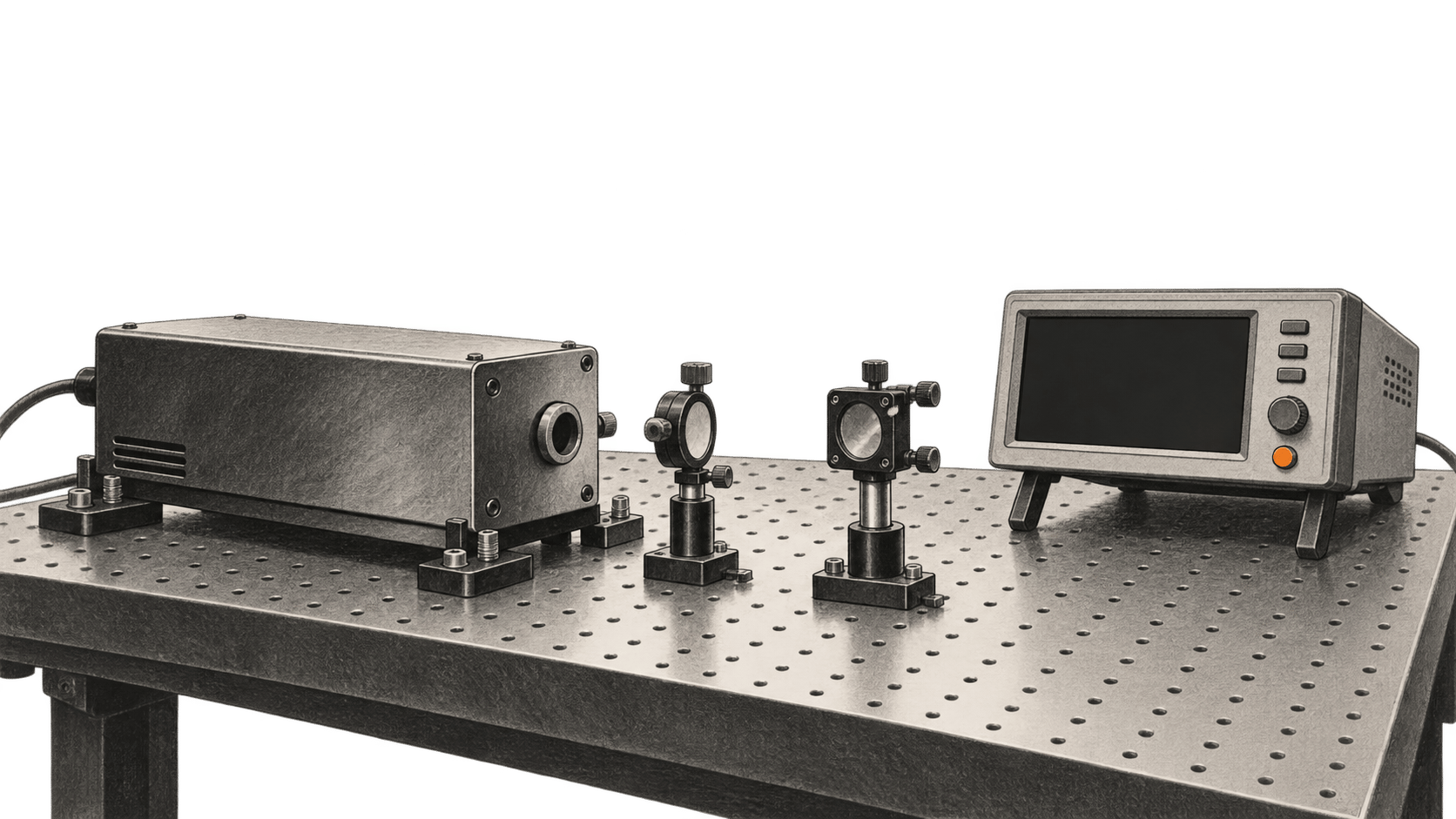
QuEra used AI to develop a laser relocker that runs without it

QuEra reports 695 on-target recoveries in 700 testbed trials of a deterministic laser-relocking script developed with Claude. Its separate tuning workflow still uses AI.

The big change

In its August 27 engineering report, QuEra says Claude used Anthropic's Model Hardware Standard (MHS) to experiment on a dedicated laser testbed and develop a fault-specific relocking script. The script reads instrument state, chooses a recovery path and verifies both a cavity lock signal and the target wavelength. QuEra reports that the finished script recovered the correct lock in 695 of 700 timed trials across seven induced disturbance classes. It calls the relocker a standalone production script, with AI out of its runtime loop. The distinct tuning workflow continues to use AI while it searches feedback settings. These are testbed results; QuEra describes deployment on live quantum processors as a next step.

Read the full story
—
Back to the briefing
Original story: guide

Set BigQuery AI token quotas before a large SQL job

A documented setup sequence for BigQuery administrators: set project and per-user input and output token limits, check a small AI query, and identify rows affected by quota exhaustion.

The big change

What changed: A project administrator can set separate daily input and output token ceilings for a project and for each user within it. Usage is counted across regions, so moving a query to another region does not create a fresh allowance.

Why it matters: An analytics team can limit the token volume of SQL functions that call Gemini before a table-wide job starts. The per-user ceiling also keeps one person's work from consuming the whole project's allowance. These limits govern tokens, while the bill still depends on the model and other BigQuery charges.

What to watch: A job that reaches a quota during execution can leave rows without generated values, or fail under a function's error-ratio setting. The operational check is therefore the row status and actual token usage, not merely whether BigQuery says the query succeeded.

Read the full story
—
Back to the briefing
Original story: analysis

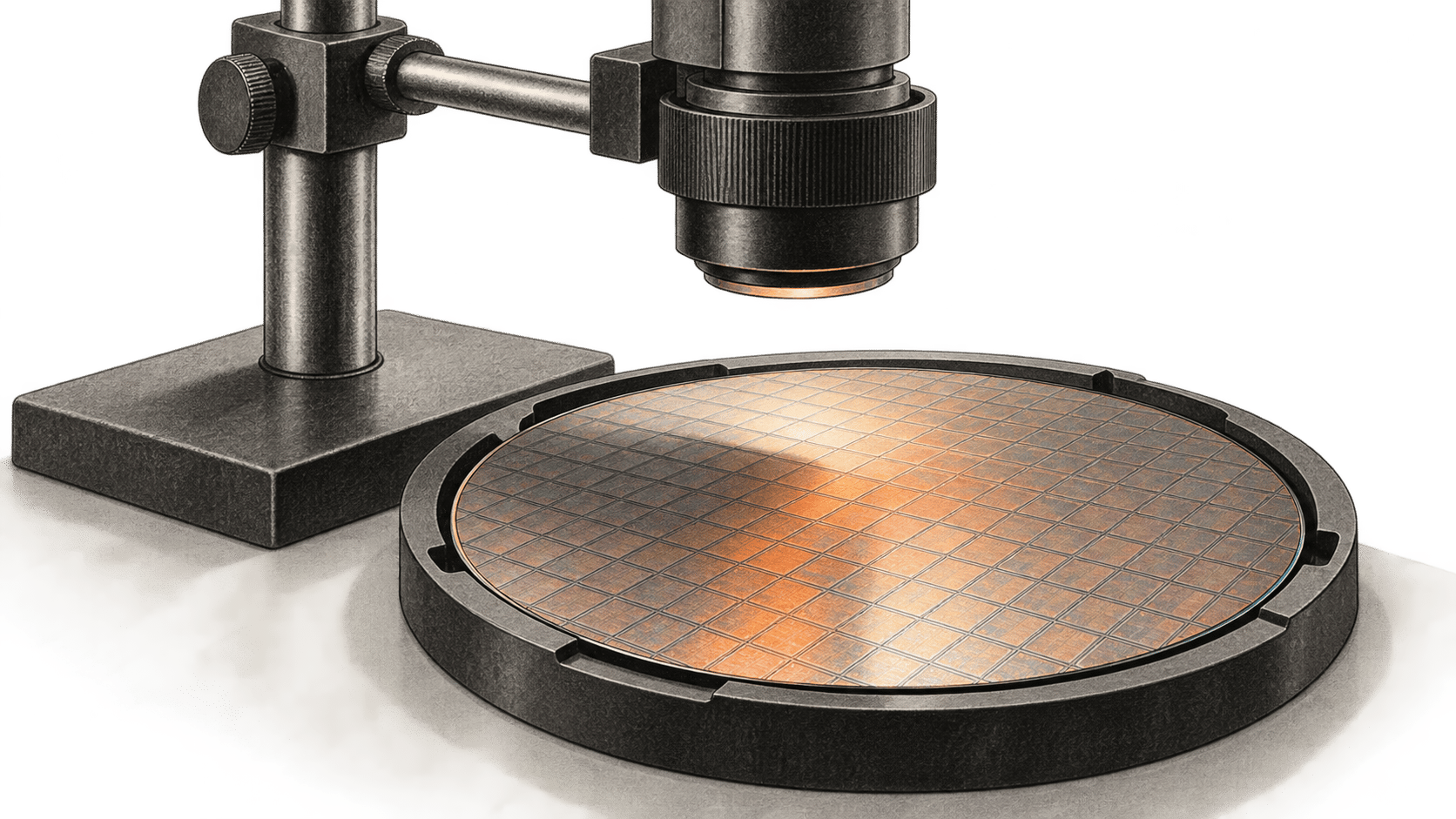
NVIDIA's SEMICON launch spans simulation, chip design and fab inspection

NVIDIA introduced early-access cuPotential and detailed partner work across chip design, manufacturing simulation and inspection. Public libraries and partner plans have different access paths.

The big change

What changed: NVIDIA introduced cuPotential for atomic-scale simulation in early access and described partner uses of existing GPU libraries, AI models and agents across design and fab workflows.

Why it matters: The announcement connects tools at different stages of the chipmaking chain. A team can inspect some library interfaces today, while access to a partner's integrated product depends on that partner's release and commercial terms.

What to watch: NVIDIA's additional 2–3x cuPotential result comes from early-access tests on workflows already optimized for GPUs. The release does not give a public test setup, broad availability date or price. BIG CHANGE did not test the library.

Read the full story
—
Back to the briefing
Original story: guide

Check an AgentCore purchase-order extraction with AWS's synthetic sample

A documented guide to deploy AWS's synthetic purchase-order sample, compare extracted JSON with the source PDF, inspect saved instructions, and identify checks its validator does not perform.

The big change

What changed: AWS has published a worked AgentCore document-processing example with one path for a document that lacks stored instructions and another for a similar document that can reuse them.

Why it matters: A team can inspect the extraction, the validation result and the saved instructions together before designing its own business rules. The sample gives a concrete test case, not a measured accuracy guarantee.

What to watch: The checked-in purchase-order validator does not calculate line totals or compare their sum with the order total. A VALID result therefore still needs a source-to-output review before an order could enter a business system.

Read the full story
—
Back to the briefing
Original story: analysis

Ai2's HiRO-ACEv2 reproduces simulated storm extremes at 3 km

Ai2's HiRO-ACEv2 adds wind and pressure to 3 km simulated rainfall. Its reported extreme-event matches are to X-SHiELD, with limits for forecasting and changed climates.

The big change

What changed: A revised 100 km climate emulator feeds a diffusion downscaler that jointly generates 3 km precipitation, 10 m winds and sea-level pressure. The previous HiRO release produced precipitation alone.

Why it matters: Researchers can produce many simulated high-resolution years or focus on a region to study the distribution of rare events while spending much less inference compute than a fresh X-SHiELD run, according to the authors' comparison.

What to watch: The published results measure agreement with one X-SHiELD reference climate. Tests against observations, changed climates and operational forecasts remain separate questions.

Read the full story
—
Back to the briefing