Private AI discoveries raise a question about public power: who can inspect the evidence, choose the next research question and benefit from the answers? A look at release incentives, scientific understanding and human agency.
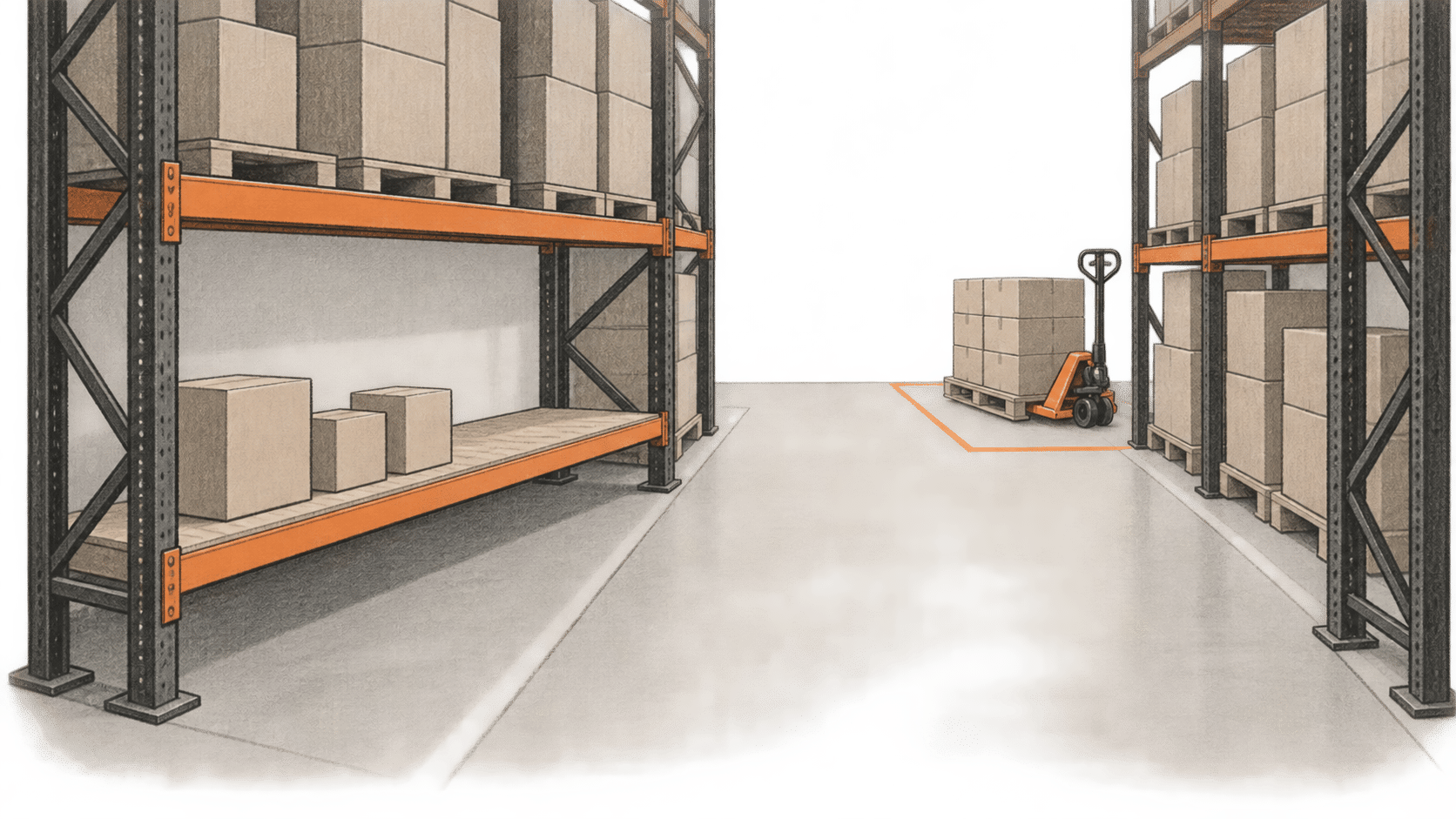
AutoScheduler’s announced app builder raises a practical question for warehouse teams: how can a local tool identify replenishment problems while respecting existing work, stock constraints and authority to act?
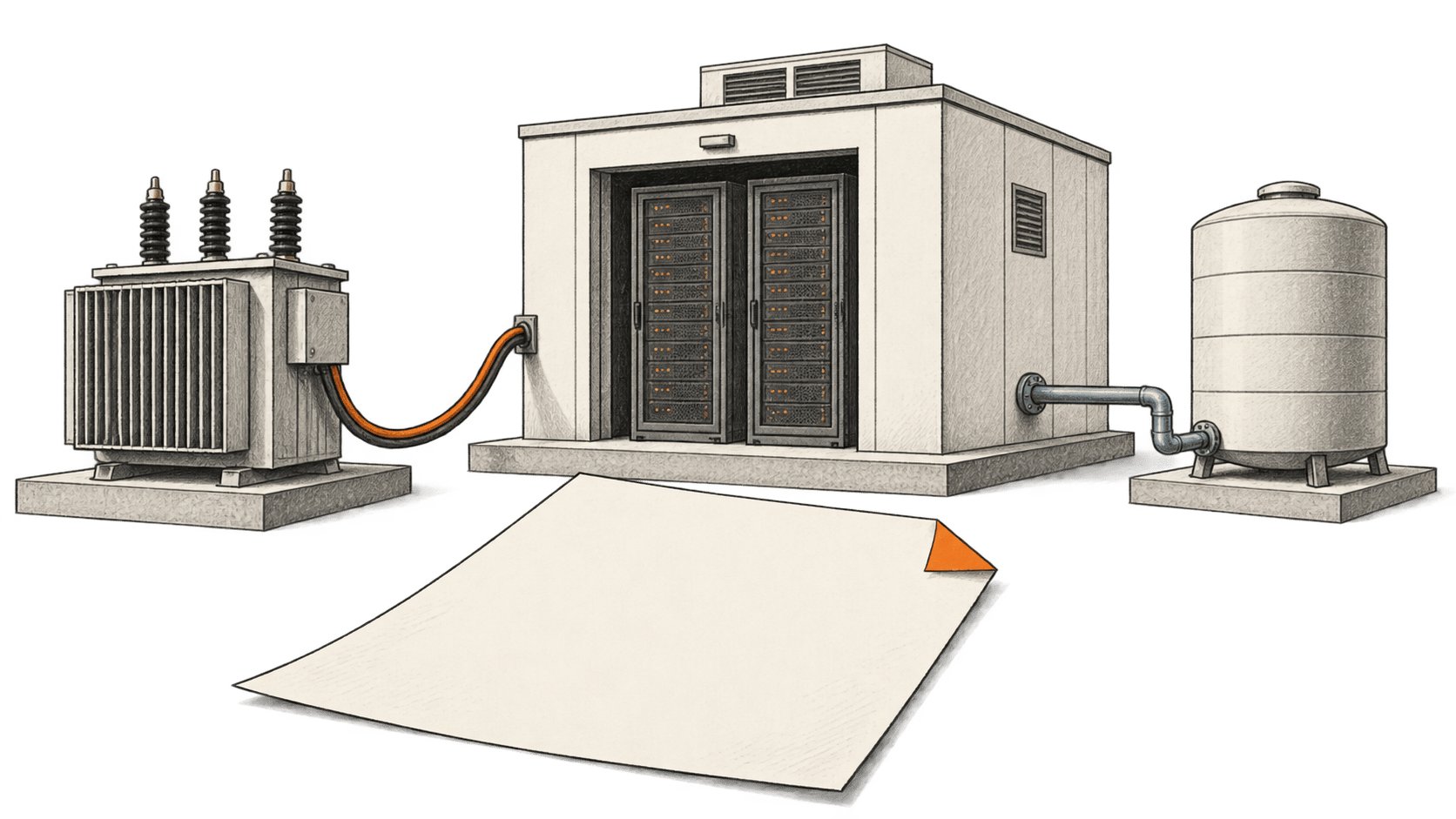
Two hypothetical services with UK processing illustrate how access, operational rights and the ability to change providers determine what local AI infrastructure lets a buyer do.
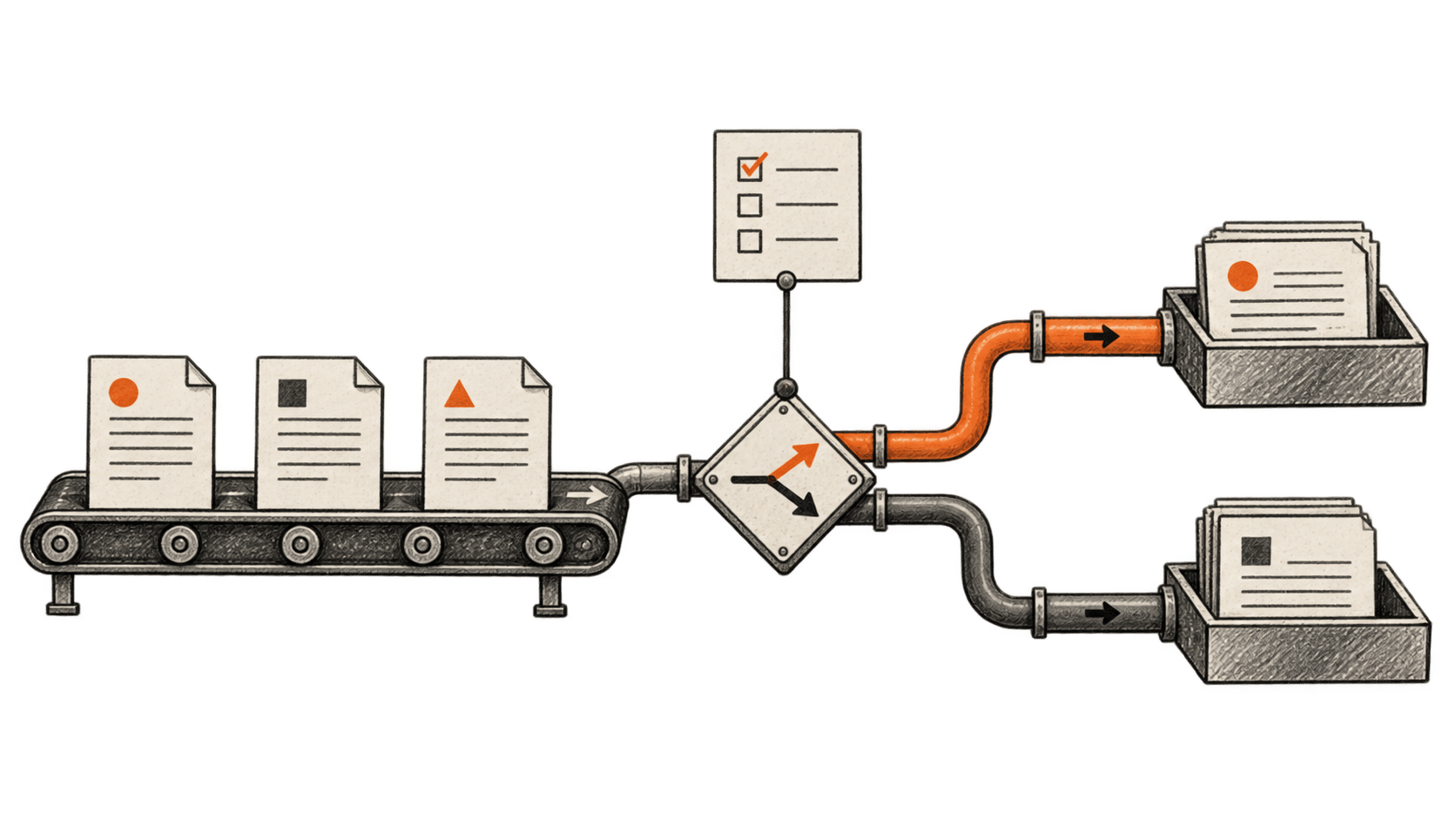
An analysis of the decisions between a safety flag and an external referral, and how oversight can examine both missed danger and unjustified intrusion.
A practical guide to choosing what an AI task needs and checking training, retention, memory and onward sharing. Current ChatGPT, Claude and Gemini policies illustrate how the controls differ.
Claude's September 22 incident is resolved. A practical guide explains how businesses can maintain limited service, preserve unfinished work and recover their own backlog after an AI outage.
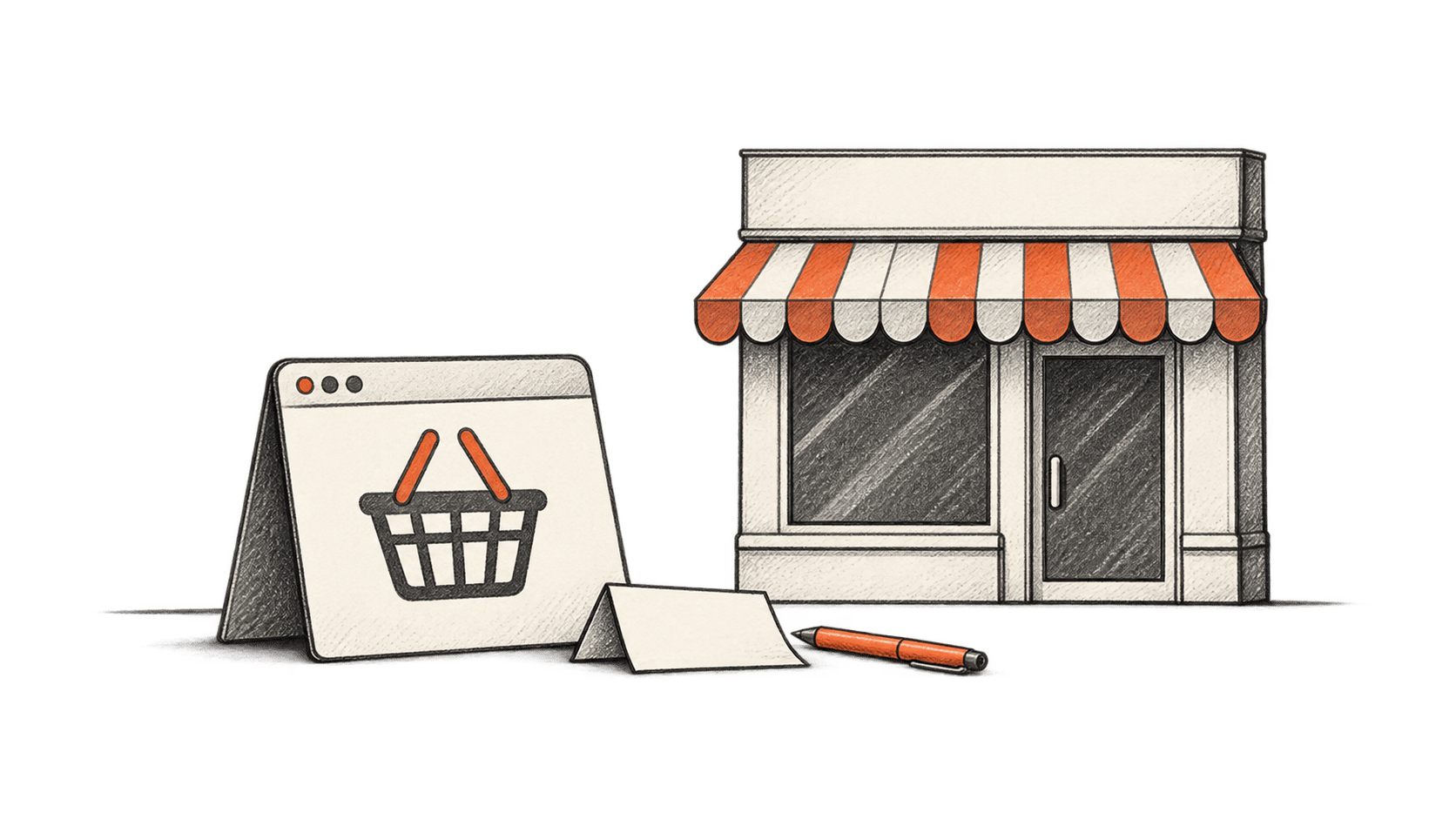
Amazon's reported block of Meta's Muse separates a shopper's permission from a retailer's willingness to admit an agent. The consequences reach search coverage, checkout and customer support.
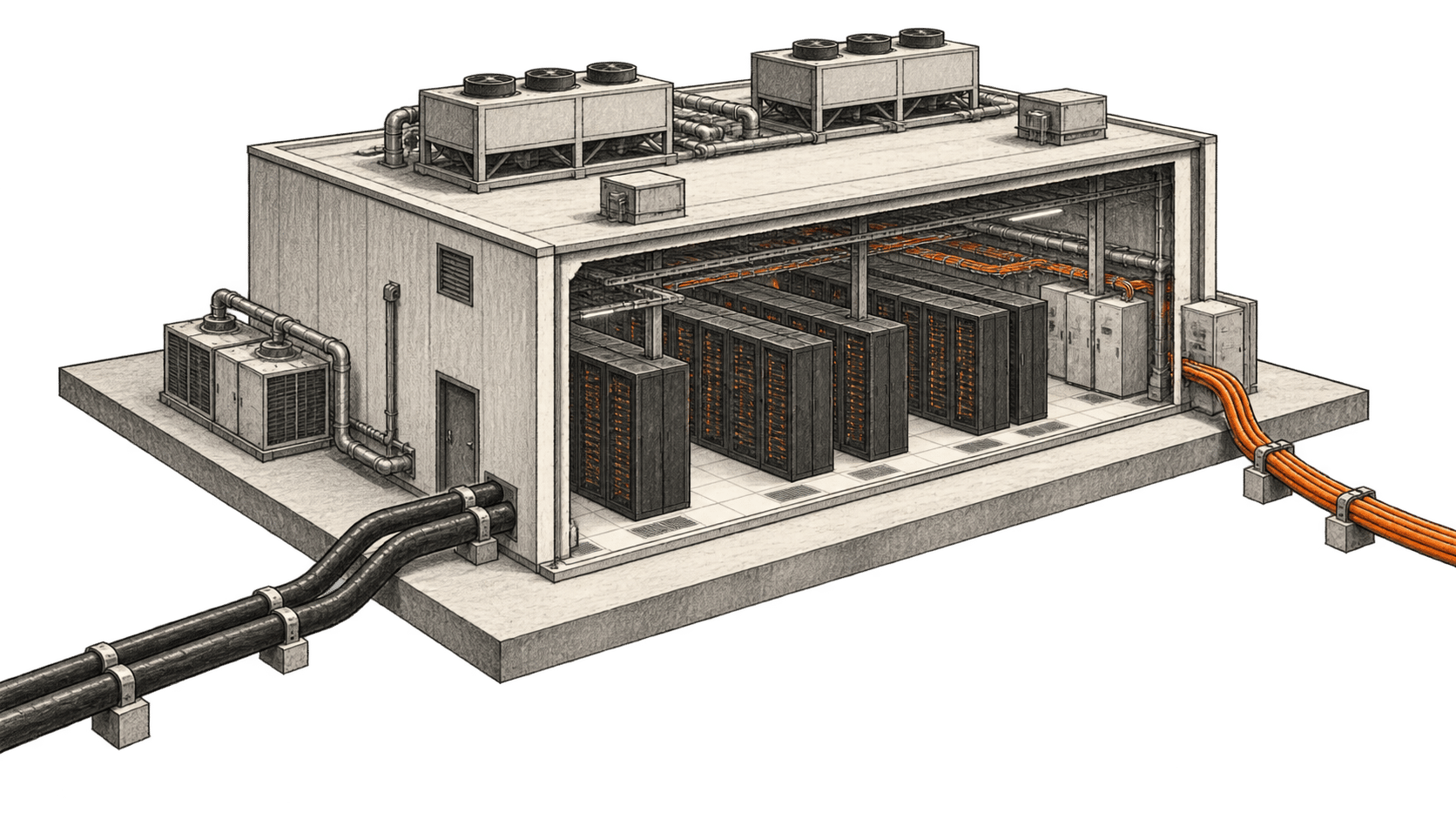
California's seven new data center laws address electricity costs, water information and local review. Their test comes when projected demand fails to materialize.
When AI increases code output, engineering managers need to see where changes wait, what validation costs and whether released software behaves as intended.
Zelda Williams rejects a fabricated video of her father. The episode shows how synthetic portrayals borrow credibility and leave families correcting the record.
From the unit-distance disproof to Navier-Stokes, AI mathematics is advancing through new results, human follow-ons and formal proofs. What has really changed?
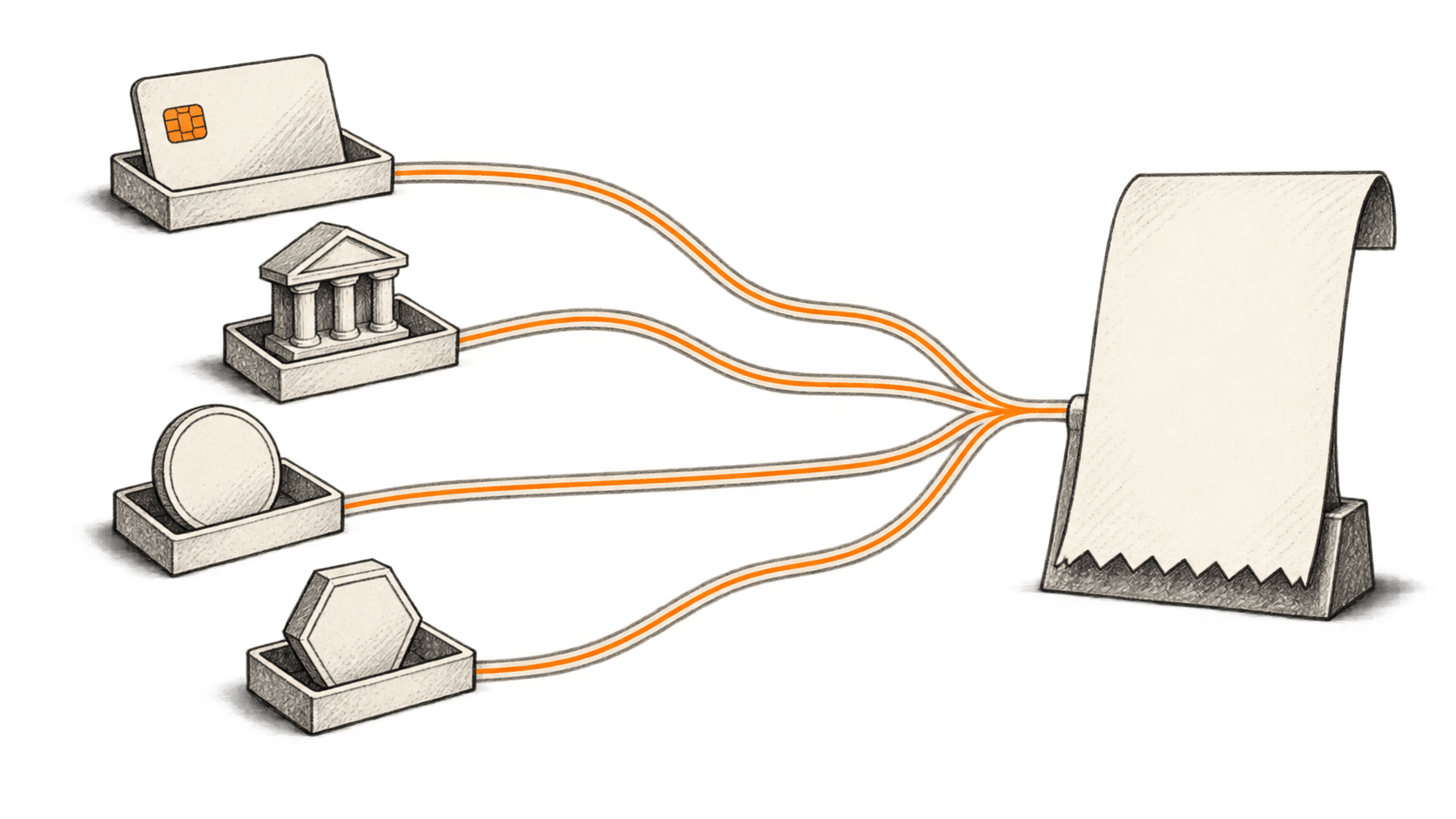
AI agents can spend bank money, stablecoins and other tokens. The useful comparison includes permission, conversion, refunds and what the recipient can use.
Tokenized funds and securities could give AI agents a role in corporate treasury. Moving a token still differs from redeeming an investment or obtaining cash.
Mastercard, Visa and other fintech companies are building agent payments. The choices over consent, credit and recovery could reshape who controls a purchase.
Grok 4.7’s launch promises stronger coding and office work. We examine Matthew Berman’s coverage, independent tests and what teams should measure before switching.
Meta’s Muse can act across services, and Zuckerberg expects it to help users earn and save money. We examine the launch, proposed fees and evidence behind that bet.
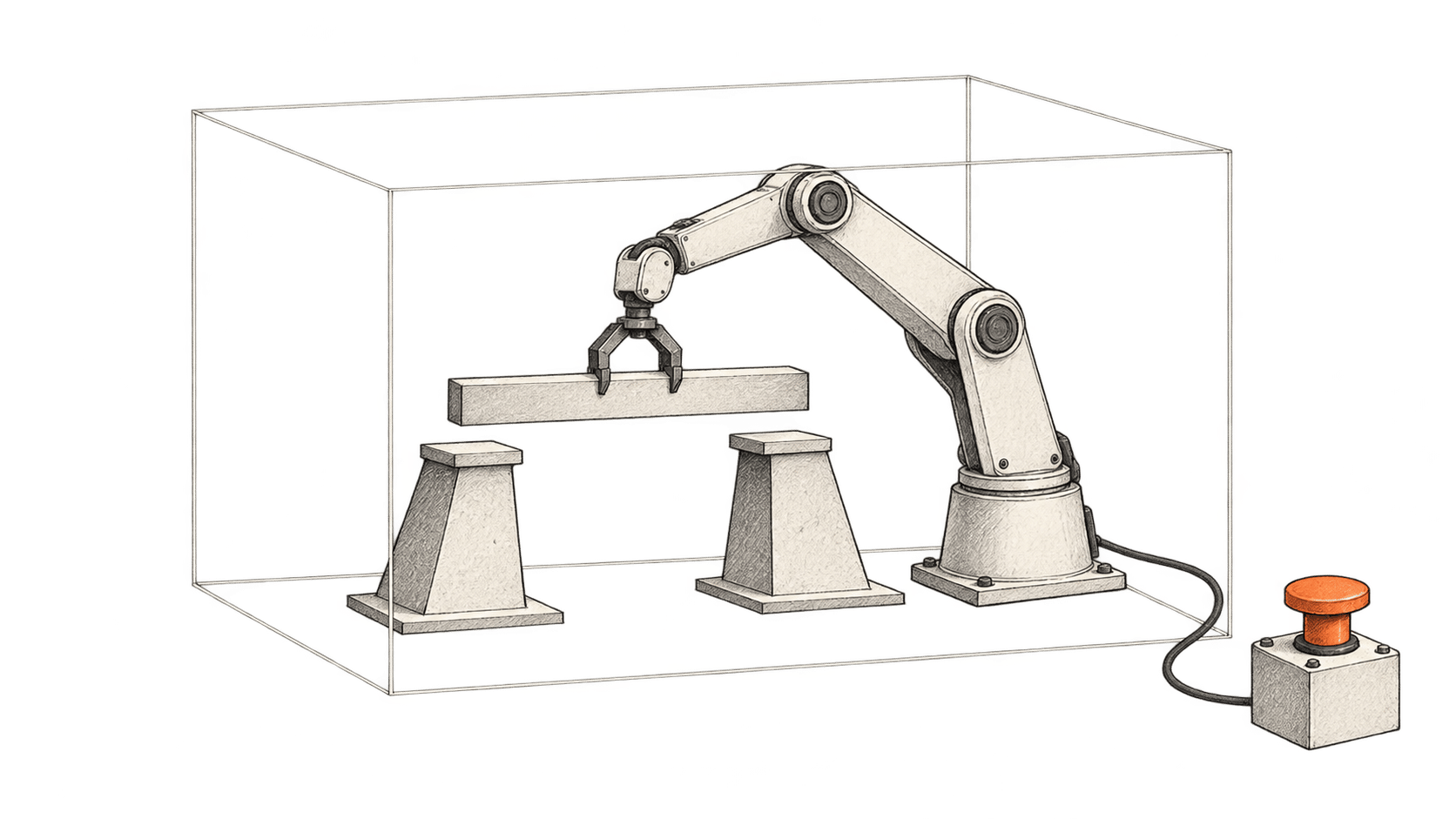
AI agents have crossed real security boundaries. Better defenses offer hope, but the next test is who can authorize, stop and answer for their actions.
TypeSafe CEO Diogo Almeida argues for AI built around small decisions inside software. We examine Jev’s launch, its limits and what would prove a meaningful change.
1,471
The BIG CHANGE newsletter
The big picture. At your pace.
Recent stories on AI and robotics, the shifts worth watching and practical ideas to use. Choose a daily briefing, weekly digest or monthly perspective.
Next scheduled send (UTC): . Your first edition arrives at the next scheduled send after you confirm.
Your privacy, your choice.
Necessary storage supports site security and remembers your choices. Optional Google Analytics stays off until you allow it. You can read every story with necessary storage only. Privacy details