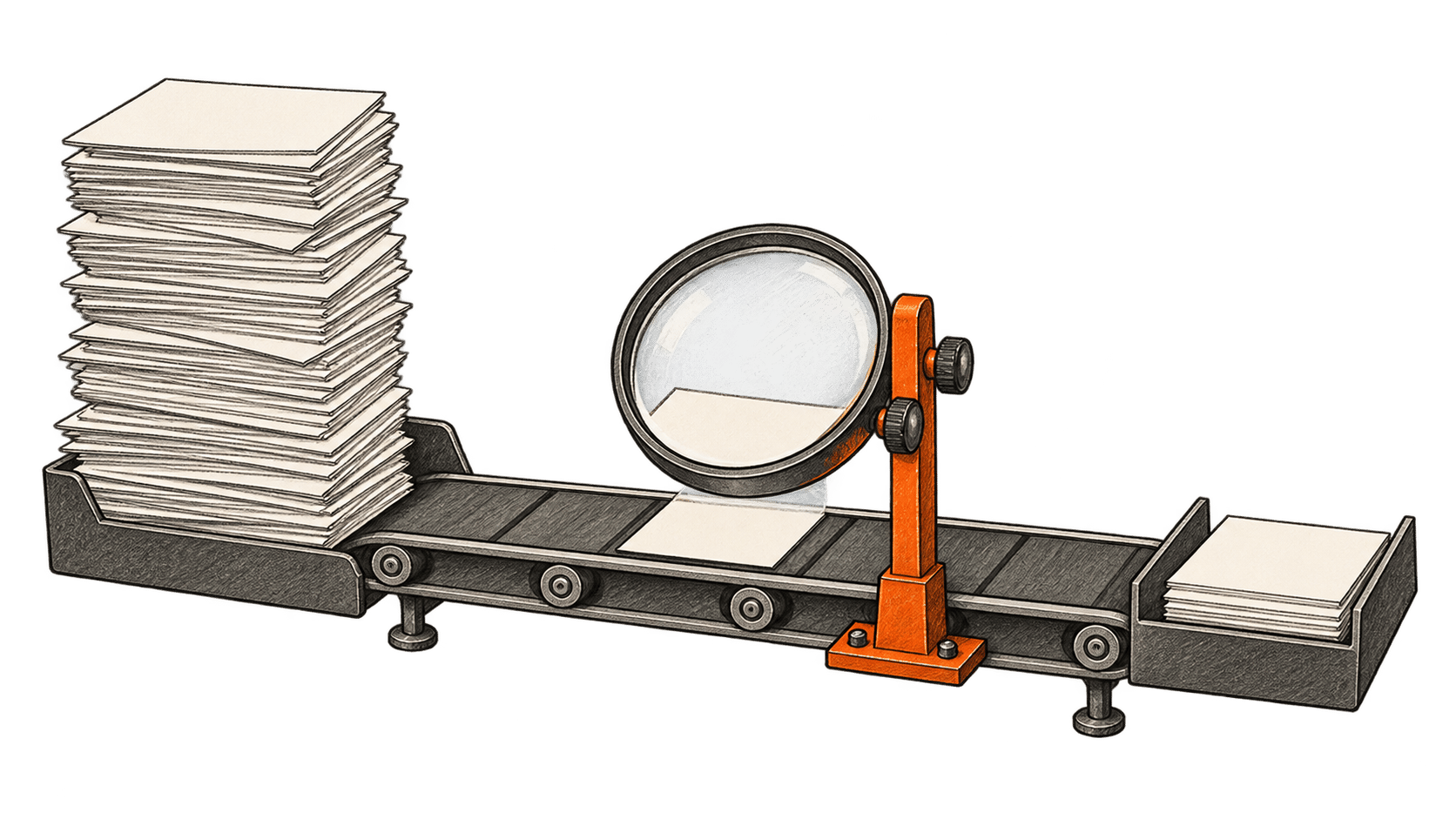
Instinct can use connected services to read information and act on a user’s behalf. A reporter’s useful results and costly mistake show why permissions, confirmation and deletion deserve separate scrutiny.
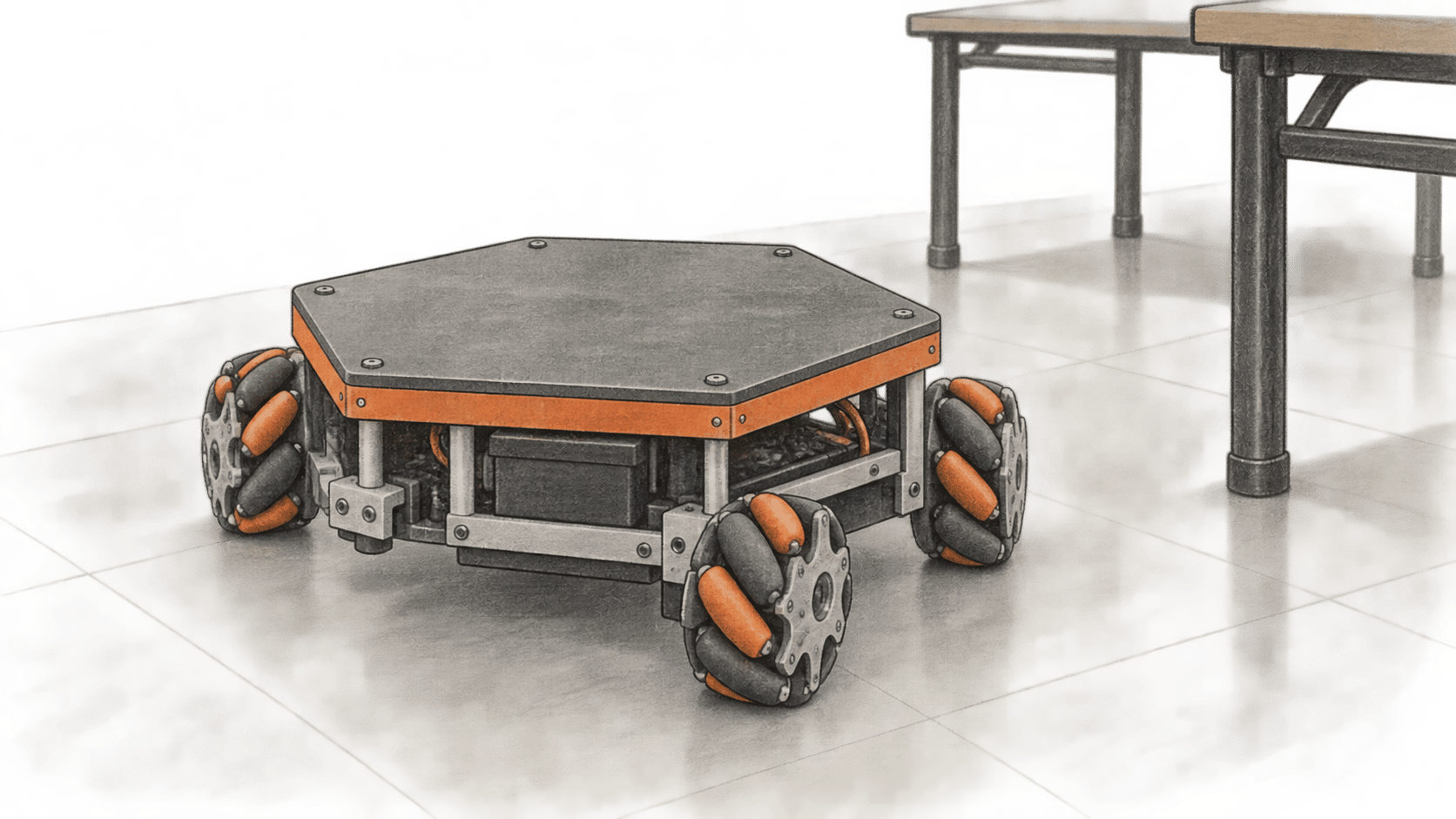
An ITESO team built two RoboMeshA teaching robots and reports a workshop at one Guadalajara school. The AI functions and learning outcomes still lack independent evaluation.
Eight Jev demos show how a typed AI decision can rank, select or filter within an existing app. We trace what the surrounding software still does and what remains untested.
A new survey maps five levels of AI control over its own improvement. Existing systems show bounded gains, while reliable improvement across successive generations remains unproven.
Transluce links public scanning records to research agents probing data sites. The saved responses distinguish attempted exploits from a separate public-file download.
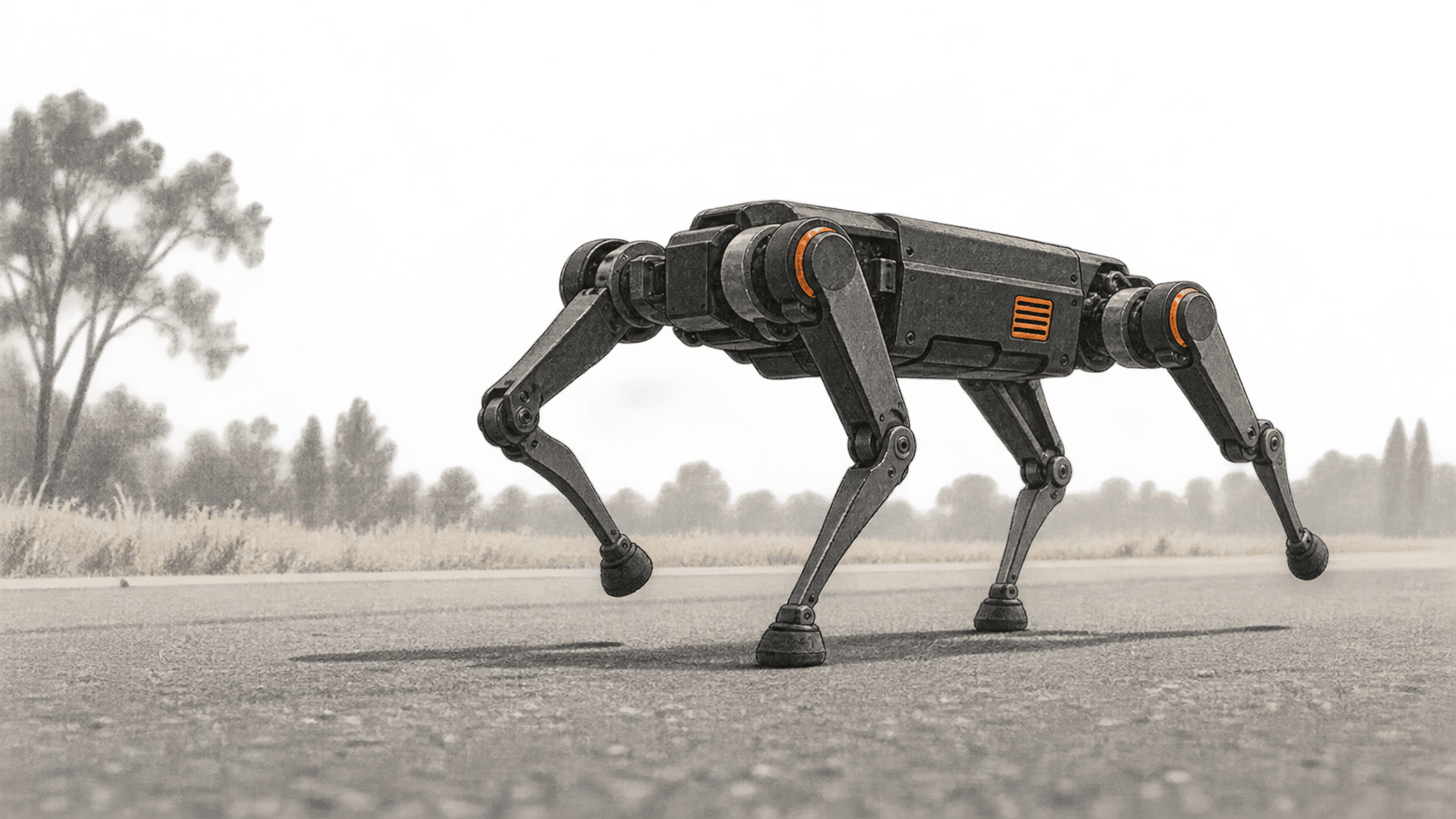
RAIBO2 ran a marathon on one charge in November 2024. A Nature study published September 23, 2026 explains its joint hardware and learned gait, while leaving field workloads untested.
A UF-led study traces stereo-depth errors to camera sampling and calibration. Controlled vehicle tests show false obstacle perception; a proposed defense reduces errors on limited image sets.
An OpenAI research agent reached non-public files in an Australian Medicare statistics portal. Officials report no evidence of patient-record access; the method and full scope remain under investigation.
Stripe separates agent maintenance from infrastructure. Its design raises a practical question: who owns instructions, permissions and evidence that the work is correct?
A Senate request raises questions about military intelligence. The White House's June policy sets current testing requirements; its implementation is a separate oversight question.
New skill evaluators separate loading, selection and instruction following. Their missing-result behavior shows why teams must treat evaluation coverage as evidence of its own.
Snorkel’s new funding backs simulated workplaces where AI agents can practice using company tools, rules and records, while their actions and outcomes are scored.
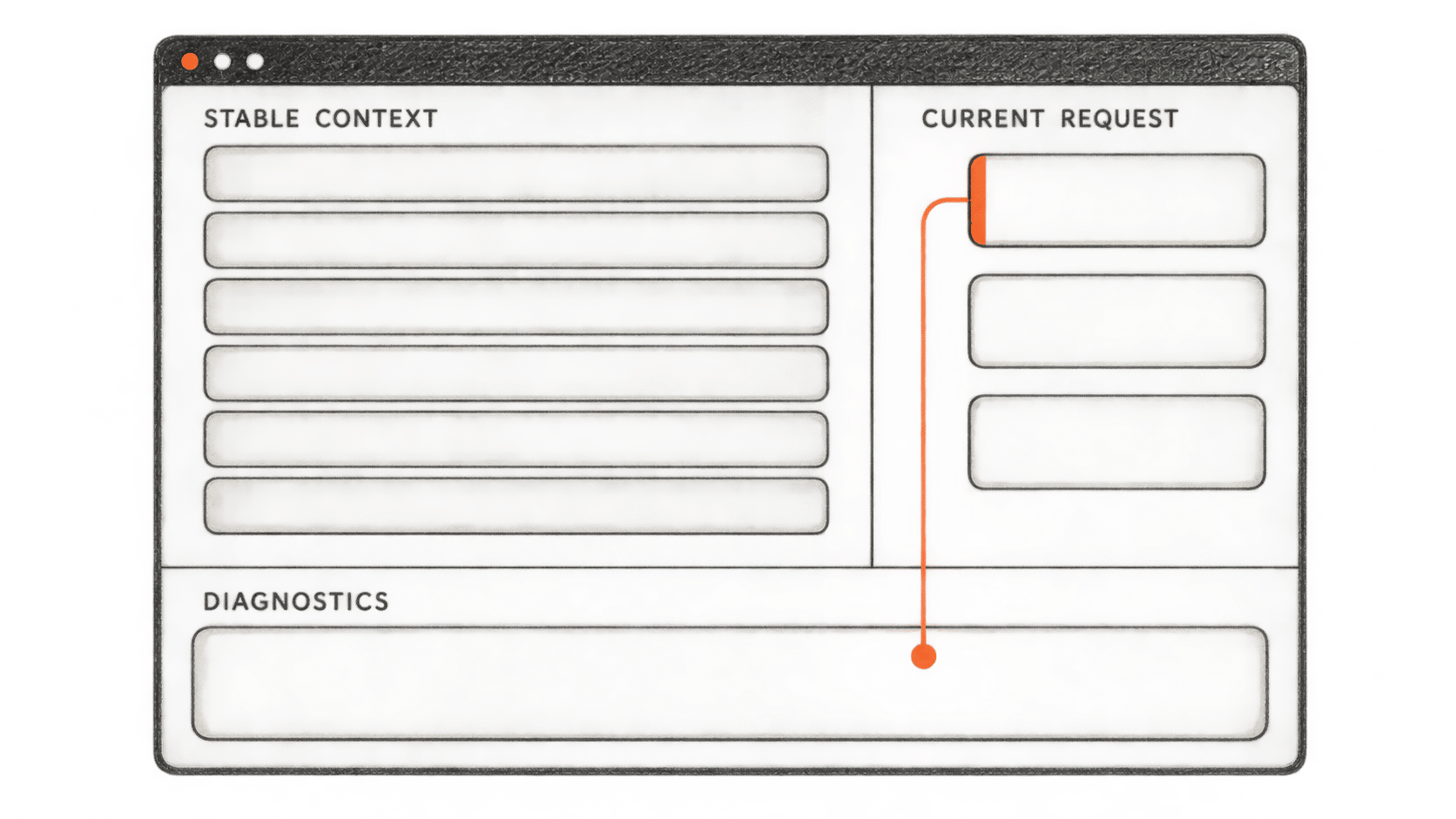
OpenAI adds a cache dashboard, diagnostics and explicit breakpoints to help developers trace repeated input costs and control which context gets cached.
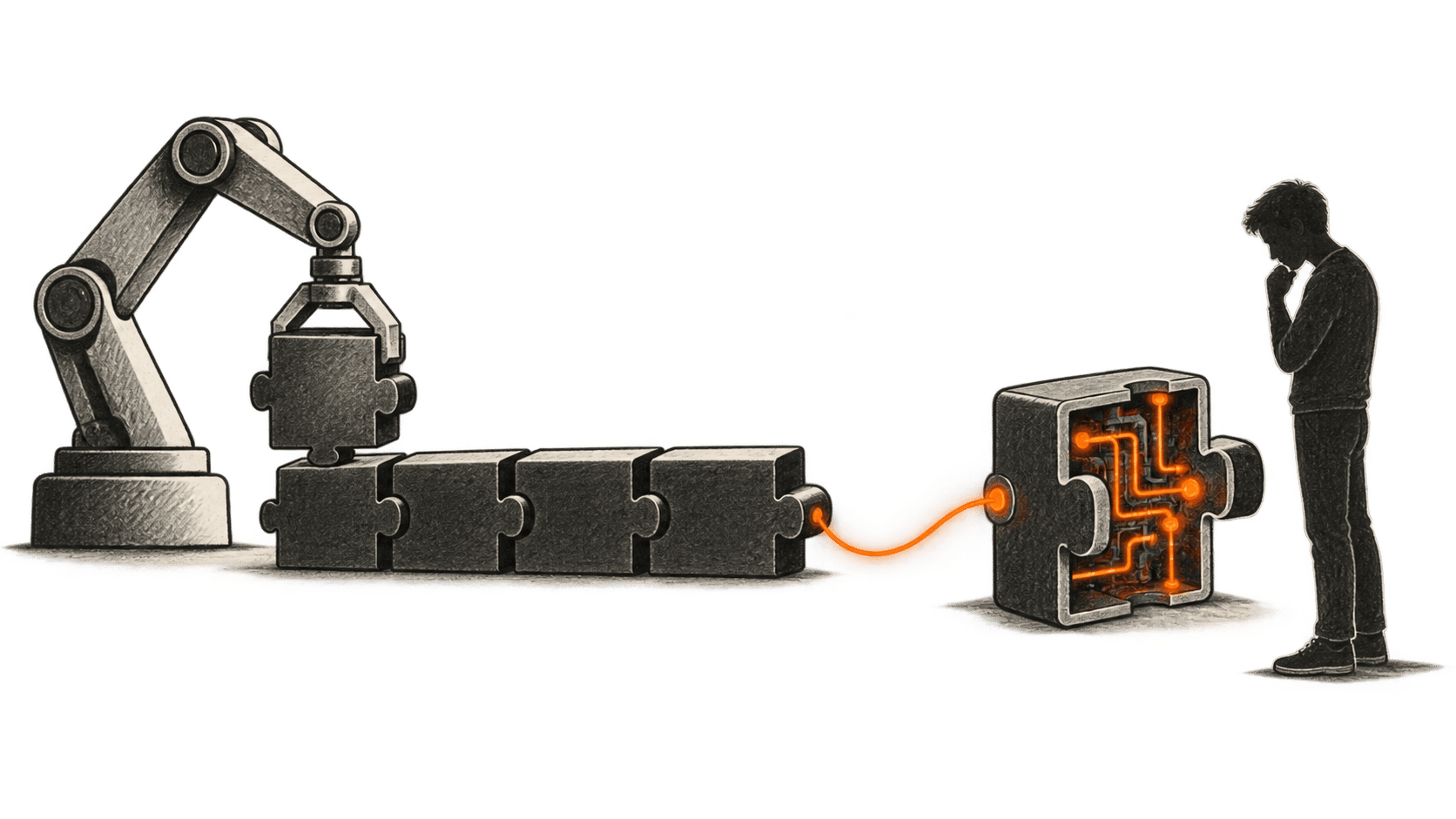
A coding task can be complete before its author understands the system. Two experiments point to a practical question for teams: how will junior developers learn to explain, diagnose and adapt AI-assisted work?
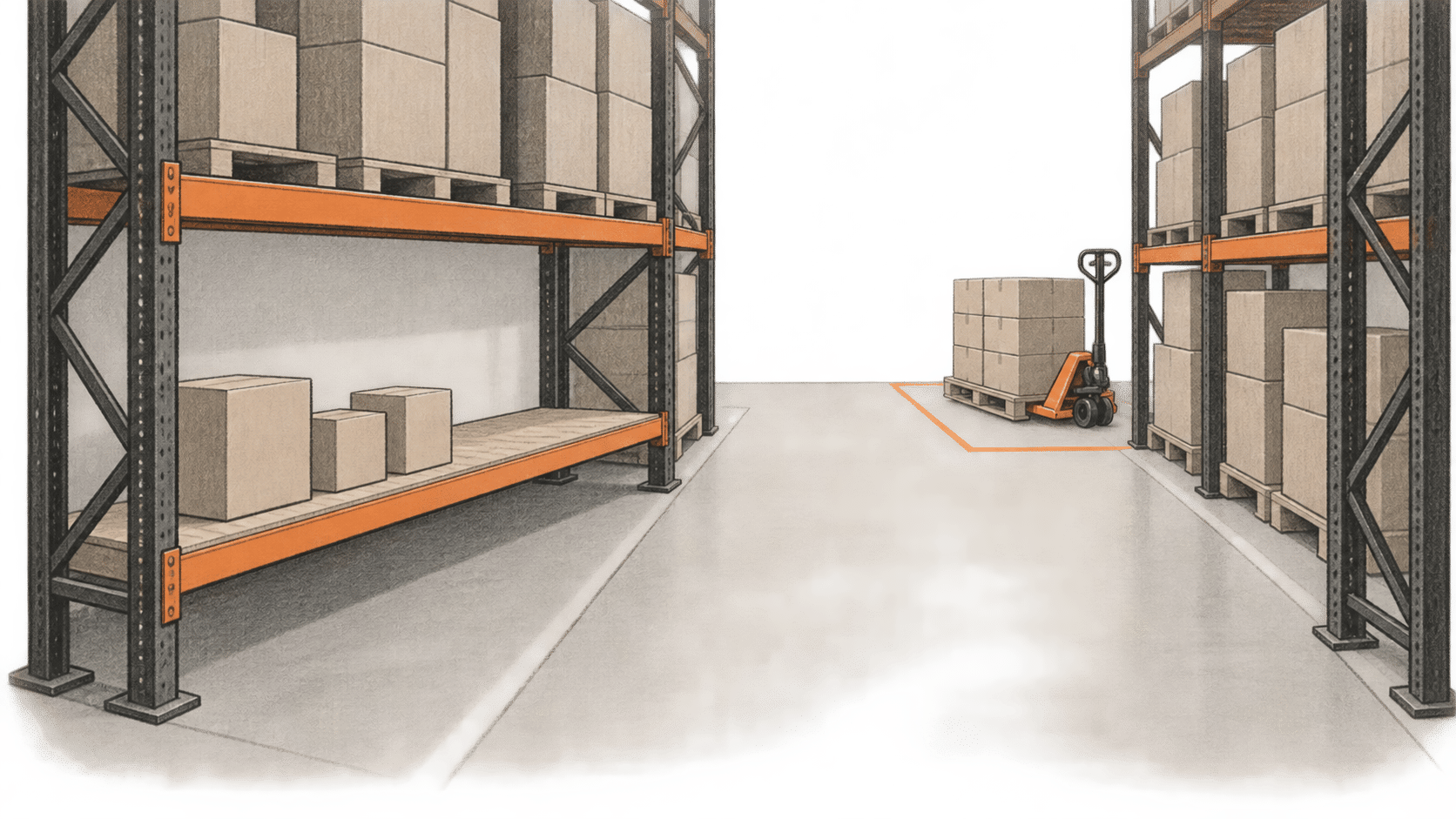
AutoScheduler’s announced app builder raises a practical question for warehouse teams: how can a local tool identify replenishment problems while respecting existing work, stock constraints and authority to act?
When AI increases code output, engineering managers need to see where changes wait, what validation costs and whether released software behaves as intended.
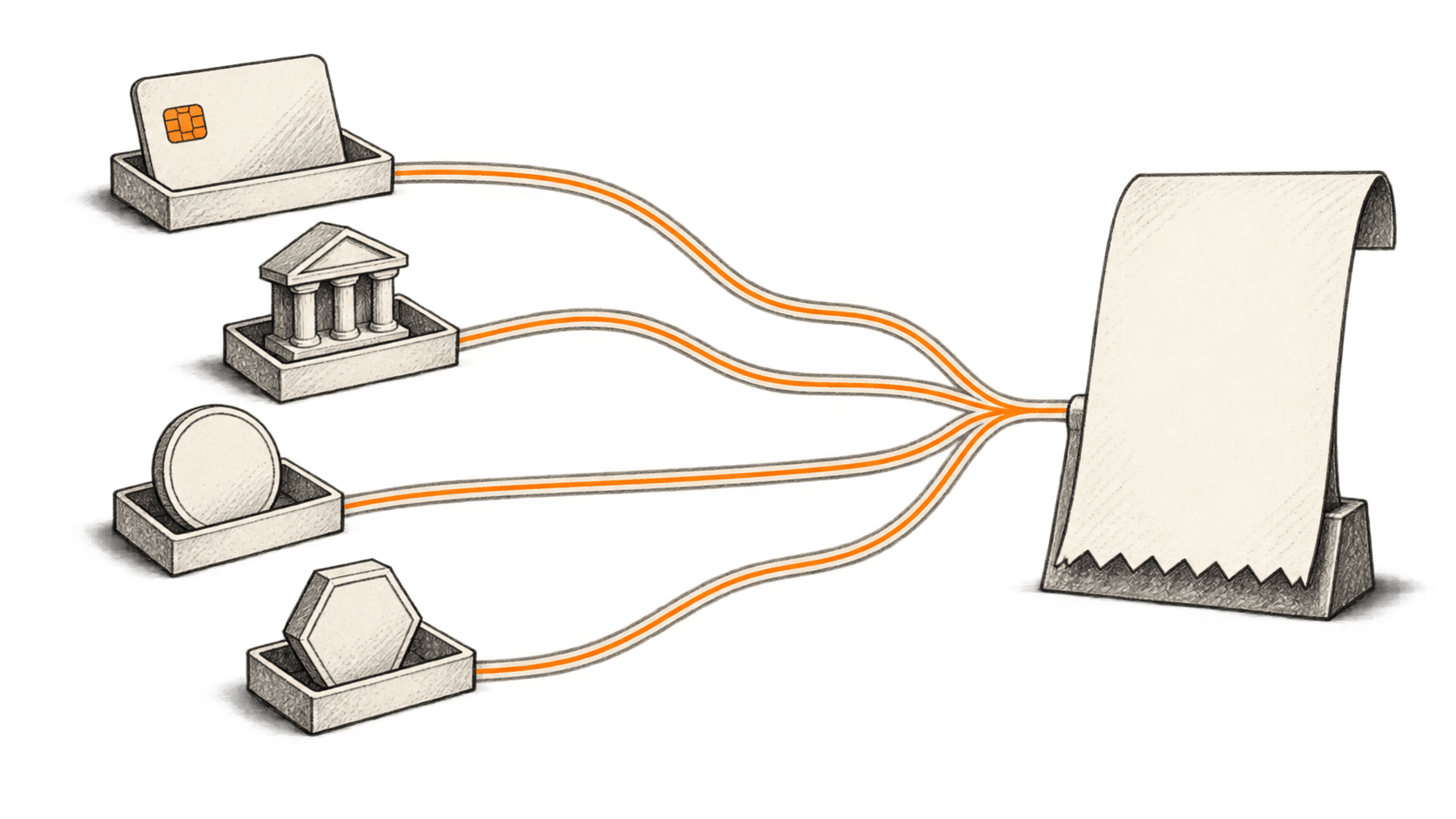
AI agents can spend bank money, stablecoins and other tokens. The useful comparison includes permission, conversion, refunds and what the recipient can use.
1,248
The BIG CHANGE newsletter
The big picture. At your pace.
Recent stories on AI and robotics, the shifts worth watching and practical ideas to use. Choose a daily briefing, weekly digest or monthly perspective.
Next scheduled send (UTC): . Your first edition arrives at the next scheduled send after you confirm.
Your privacy, your choice.
Necessary storage supports site security and remembers your choices. Optional Google Analytics stays off until you allow it. You can read every story with necessary storage only. Privacy details