Vercel's AI Gateway says open-weight models accounted for 56% of August token volume and 14% of list-price-estimated spend in its traffic. The split is not market-wide or an invoice total.
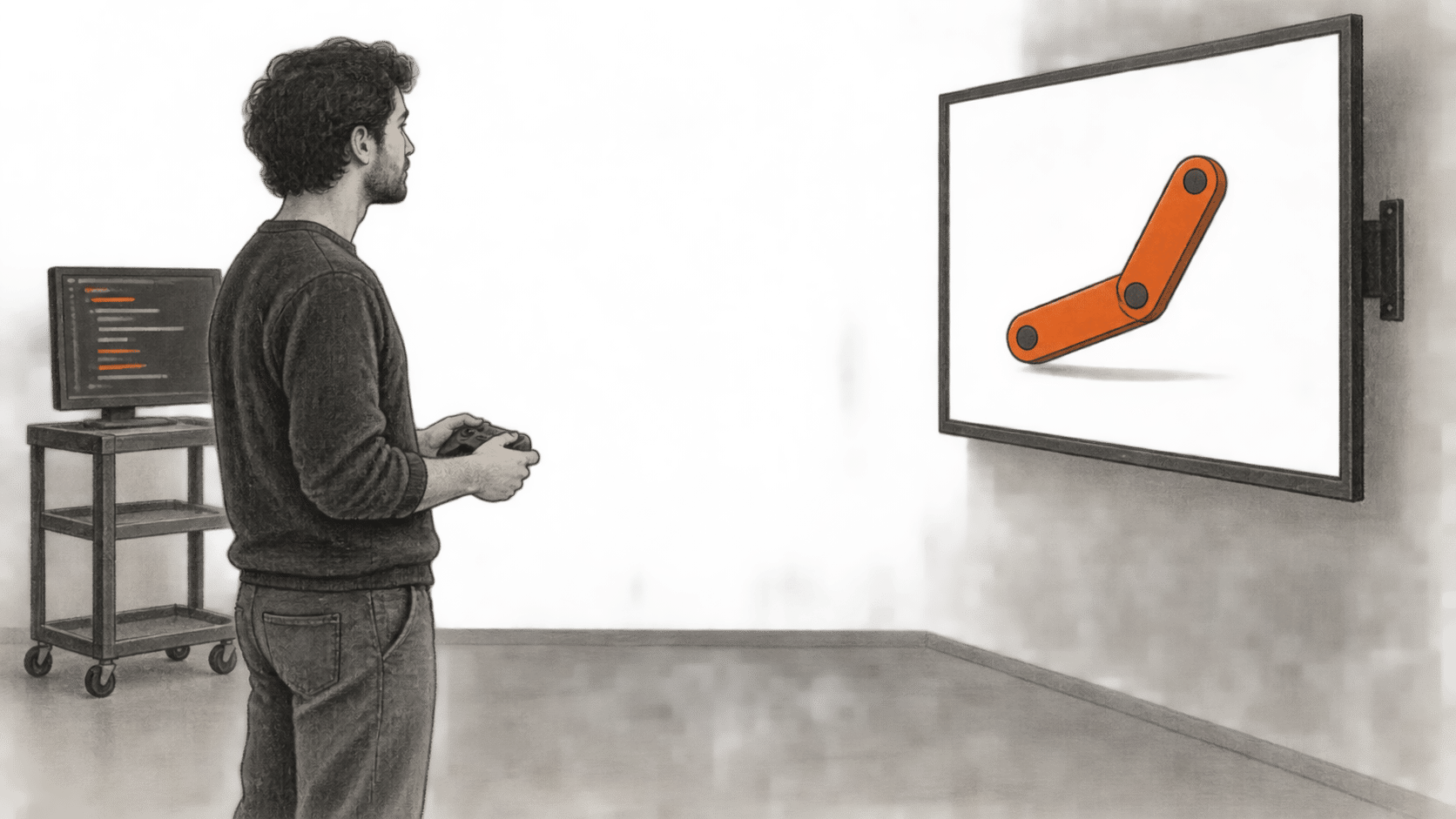
A practical guide to using Rive CLI and RML with a coding agent to build, inspect and test interactive graphics, including account, signing and export limits.
A public Claude Code skill set combines Stockfish evaluations, player notes and model-written explanations in a reviewable chess post-mortem. We trace its documented workflow and limits.
An independent Python example uses vision-model token probabilities to return typed decisions from images. Its webcam rates are author-reported, and accuracy remains untested.
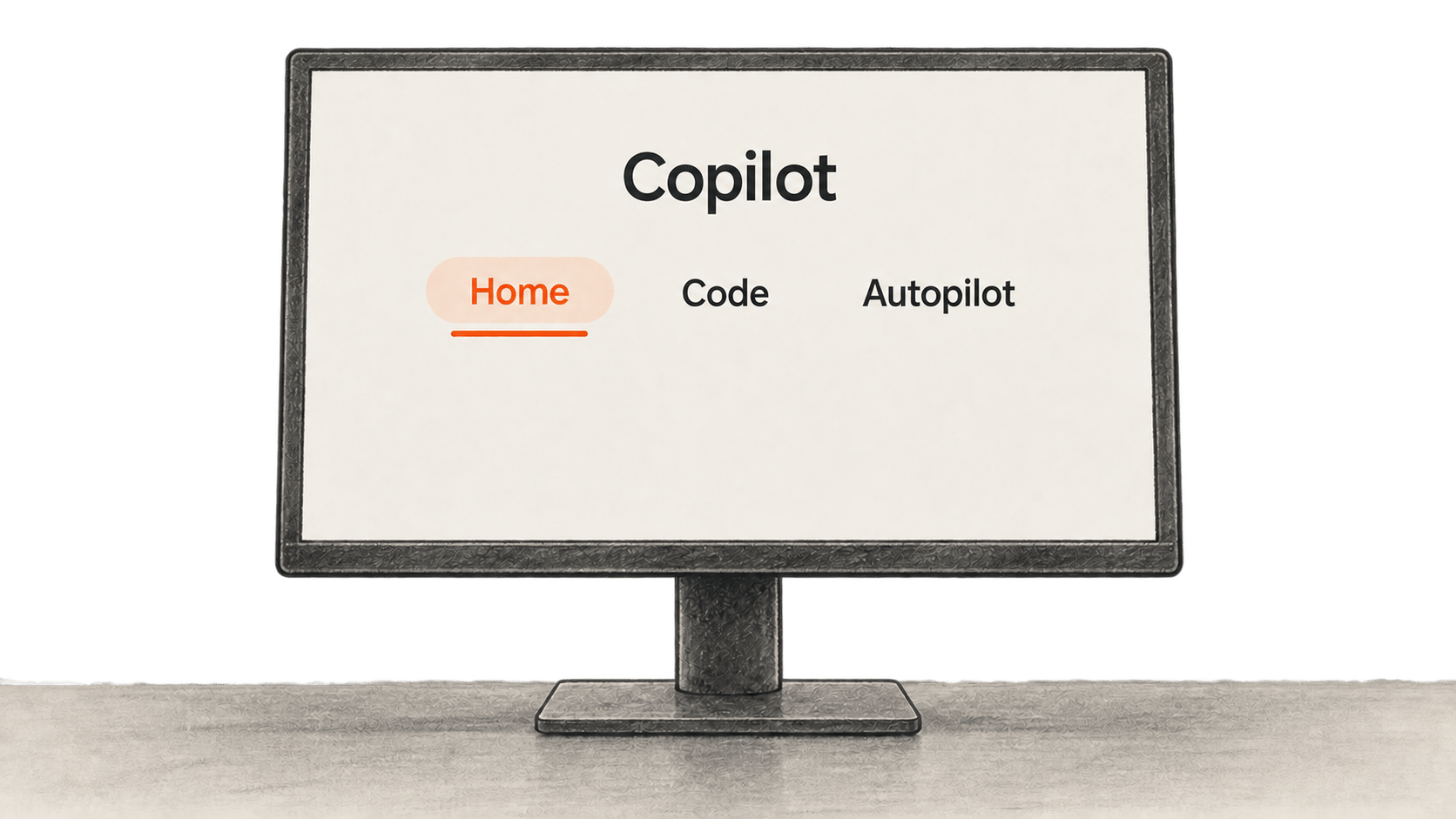
Microsoft is bringing Chat, delegated work and app building into Copilot. Home and Code have staged Frontier rollouts; Autopilot expands to private preview at the end of September.
Google is testing Gemini-led business calls for eligible US Pixel 11 owners. The caller approves the task, can take over, and the business hears an AI and recorded-line disclosure.
Google's Gemini 3.8 Live now offers a speaking video avatar through its enterprise API. Preset avatars are generally available; custom likenesses still require restricted access.
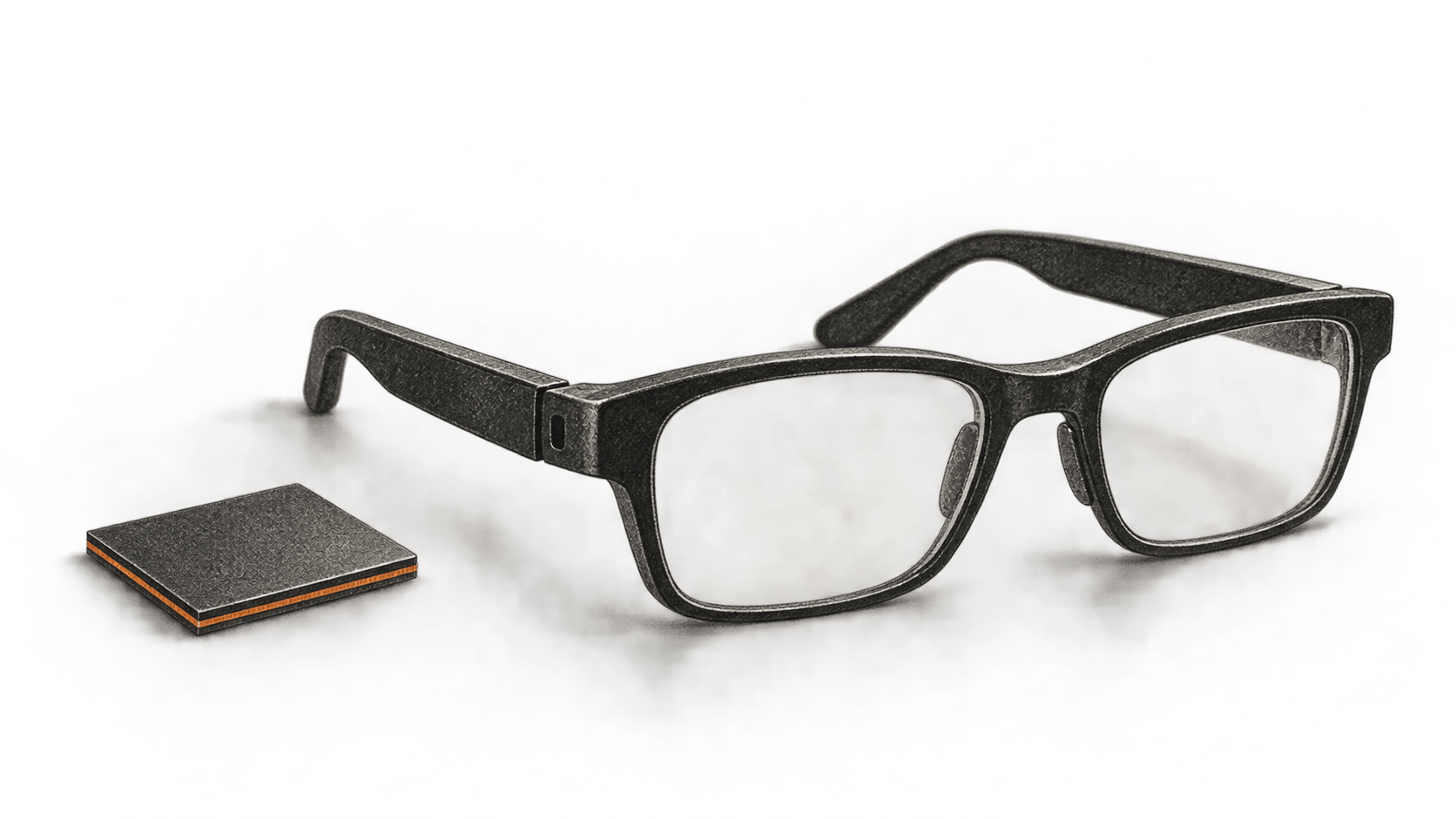
A Bonsai vision-language model ran locally on Snapdragon AR1 Gen 1 glasses hardware. The published memory and speed gains describe a controlled test, not a shipping product.
Eight Jev demos show how a typed AI decision can rank, select or filter within an existing app. We trace what the surrounding software still does and what remains untested.
Meta says Horizon Create and Horizon Studio can make and edit 2D or 3D mobile games for distribution across its platforms. The tools remain in limited testing, with access and earning terms unresolved.
A new survey maps five levels of AI control over its own improvement. Existing systems show bounded gains, while reliable improvement across successive generations remains unproven.
A Forecasting Research Institute review finds repeated underestimates of AI benchmark progress and an overestimate on a laboratory task. Broad societal-impact forecasts remain largely unresolved.
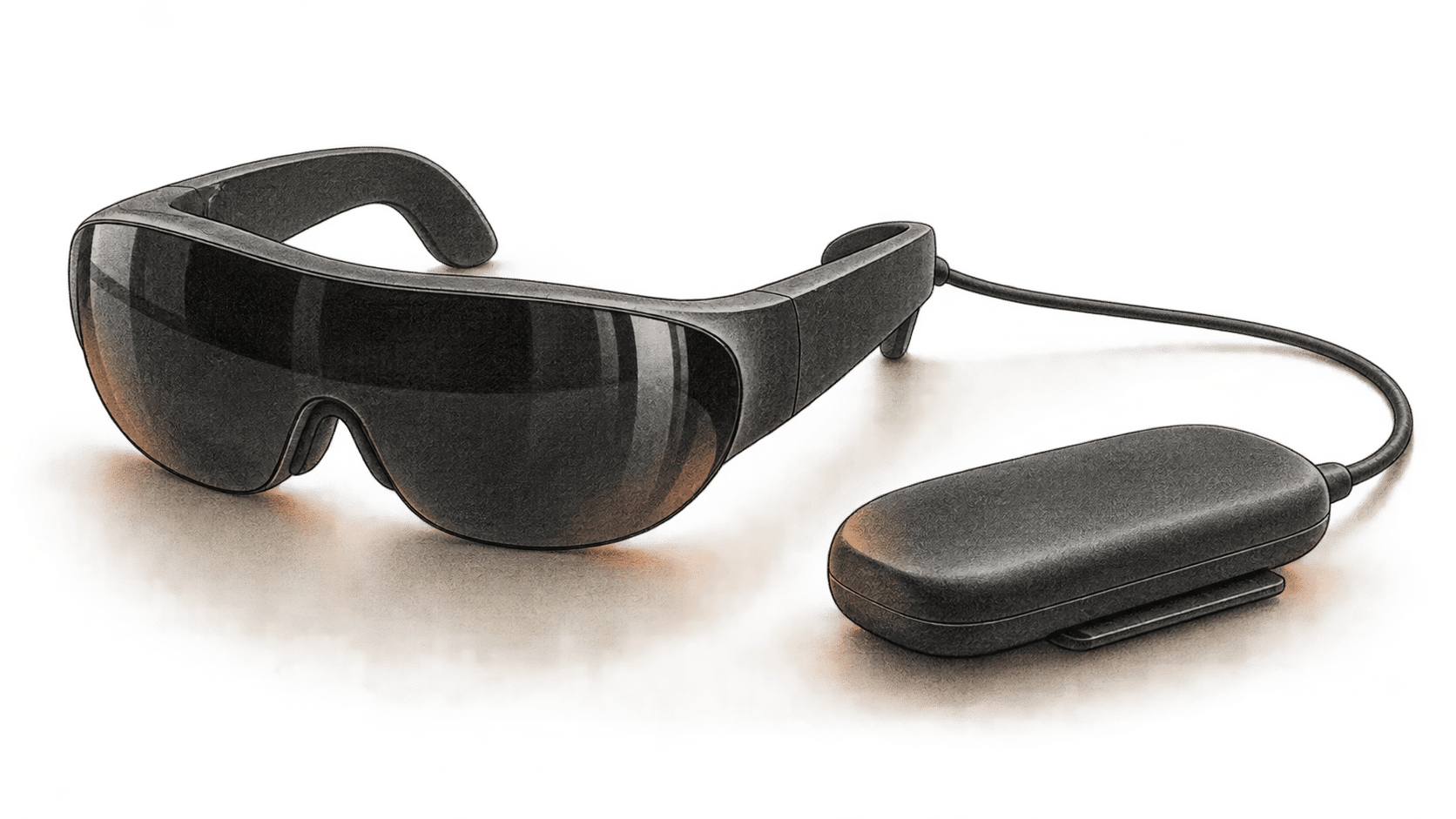
Meta's VR Glasses put an AI assistant into a glasses-style VR system with a tethered computer. Brief demos show the controls; sales are planned for spring 2027 at $1,299.99 USD.
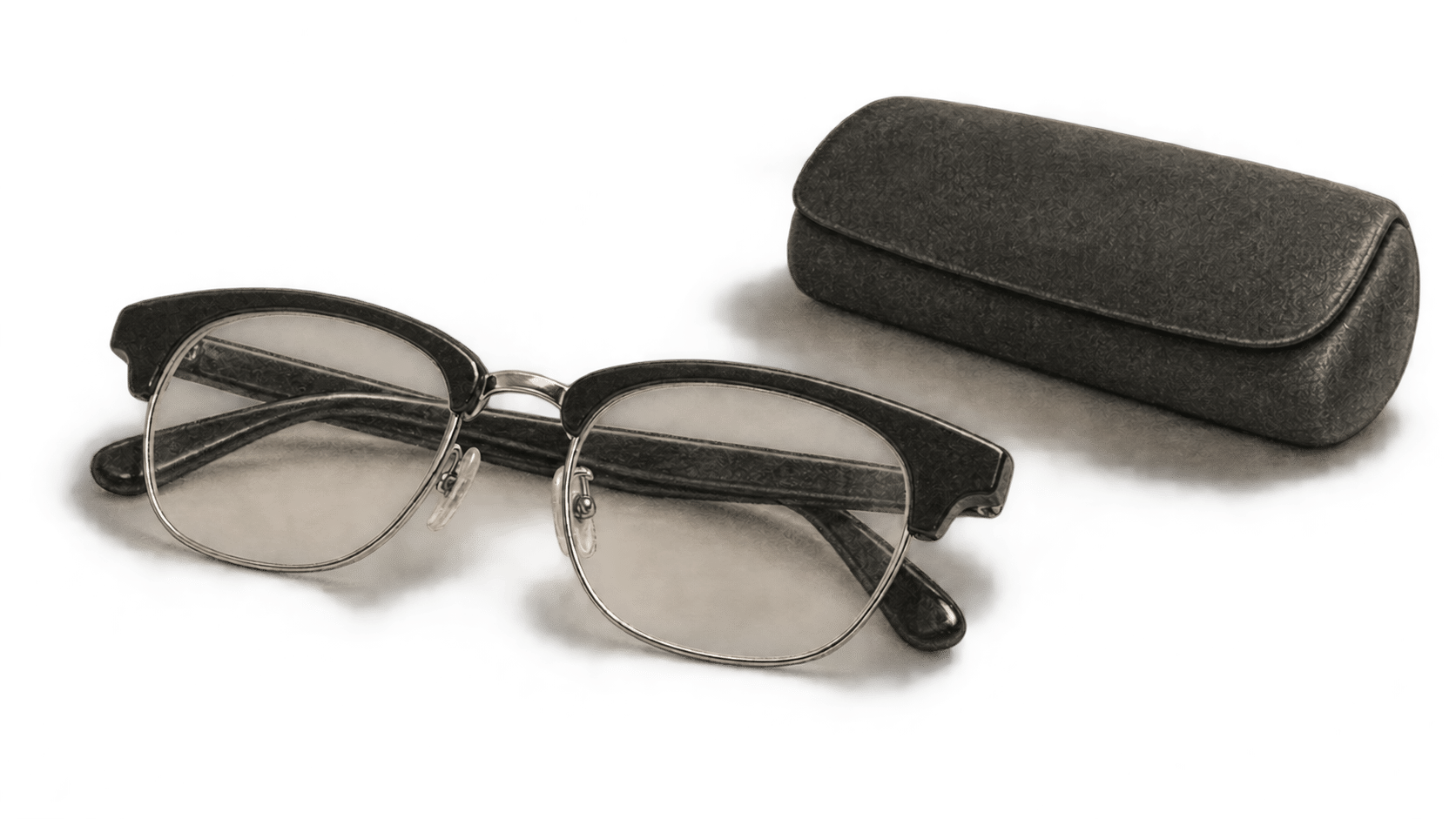
Meta's $349 Ray-Ban Audio glasses are open for preorder and omit the camera. Its $449 Gen 3 is available now with camera-based AI; Muse integration remains forthcoming.
Artificial Analysis's new Mercury 2.5 evaluation separates fast text output from answer delay and quality. Its cost figures also use rates that differ from Inception's promotion.
A Codex subscriber reports lower API-equivalent value after GPT-6 Sol's price cut. That figure alone cannot establish fewer tokens or less work per subscription.
Basecamp Research's $140 million round backs its biological models and therapy pipeline. We examine the dataset, selected experiments and current development stages.
857
The BIG CHANGE newsletter
The big picture. At your pace.
Recent stories on AI and robotics, the shifts worth watching and practical ideas to use. Choose a daily briefing, weekly digest or monthly perspective.
Next scheduled send (UTC): . Your first edition arrives at the next scheduled send after you confirm.
Your privacy, your choice.
Necessary storage supports site security and remembers your choices. Optional Google Analytics stays off until you allow it. You can read every story with necessary storage only. Privacy details